No. Organic gardening isn’t a skill level, it’s a starting point. The difference between organic and conventional gardening is mostly what goes into your soil.
GET THE GARDENARY GUIDE TO ORGANIC GARDENING Learn More >
Peak growing season is now. Let’s grow!
Millions of first-time gardeners started right here. Organic soil, honest advice, and 100 years of growing with gardeners like you.
Find your zone. Know what thrives where you live.
Gardening for beginners starts here. A plan, the right organic soil, and a little bit of time.
No yard? No problem. The right organic potting mix and a little space are all you need.
The best soil for tomatoes, organic vegetable garden soil, and everything you need to get in the ground.
Tips and timely advice to keep your garden growing.
Pinch the first flowers. Removing early blooms helps pepper plants grow bigger and produce more later in the season.
Beans, carrots, and basil all help tomatoes thrive by adding nutrients or keeping pests away.
Raised bed soil shrinks over time as microbes break it down. Add a fresh layer of organic soil before you plant each year.
Enrich it, aerate it, plant it. Good soil does most of the work for you, especially when spring planting season hits.
Too much water is as bad as too little, and heat changes the math. Water deeply in the early morning, aim for about an inch a week, and check two inches down before reaching for the hose.
Containers dry out fast, and in a heat wave they can require water daily, sometimes twice. Use potting mix rather than garden soil, which packs tight in a pot, and water until it runs from the drainage holes.
They cluster on new growth and the undersides of leaves. Knock them off with a hard spray of water, follow up with insecticidal soap if they hold on, and leave the ladybugs and lacewings be, since both eat aphids.
You don’t have to wait for full red on the vine. Once the blossom end starts to blush, a tomato will finish ripening on the counter, and picking it then spares it from cracking, sunscald, and pests.
Kale, spinach, and lettuce do their best work in cool weather, so count each crop’s days to maturity back from your first frost and add a week for slower growth. Garlic is the exception: plant cloves in fall for big bulbs next summer.
What you do now decides how fast you’re planting in spring. Clear out spent plants, spread a few inches of compost, and cover bare soil with mulch or a cover crop so it doesn’t erode or pack down.
Fall cleanup hands you everything a pile needs: dry leaves for browns, kitchen scraps for greens. Layer roughly two parts brown to one part green, keep it as damp as a wrung-out sponge, and build it at least three feet across so it holds heat.
Plant them in fall, forget about them, find flowers in spring. Set each bulb pointy end up, two to three times as deep as it is tall, and get them in before the ground freezes so roots can settle.
The best gardens start as sketches in winter. Map where the sun falls, since most vegetables want six or more hours of direct light, and note what grew where so you can move each plant family to a new spot next year.
The timing is subtraction from your last frost date. Most seeds go in six to eight weeks ahead, and your packet lists the exact head start, so starting too early just leaves you with tall, weak seedlings.
Your houseplants are doing their quiet best through winter. Give them a mix built for containers, not garden soil, which packs down and drains poorly indoors, and ease off watering while growth is slow.
Winter is the best time to decide you’re doing this. Start small enough to keep up, pick your sunniest spot since most vegetables need six or more hours of direct sun, and put your money into good soil and compost first.
Free Guide
What is organic gardening? It starts with healthy soil and a few good habits. This guide covers the fundamentals: what organic really means, how to choose between garden soil and potting mix, the difference between organic vs. synthetic fertilizer, and when to plant in your zone. Built to get you in the ground with confidence.
Free Guide
Your zone determines what grows, when to plant it, and how long your season runs. This guide explains the USDA Hardiness Zone map, what it means for your specific garden, and how to use it to make better decisions about soil, timing, and plant selection, wherever you live.
Get our monthly newsletter with tips, seasonal guides, and the kind of advice that actually works. Your garden (and your inbox) will thank you.
Whether you’re figuring out containers, raised beds, or just why your tomatoes keep “doing that thing”, we’ve got a resource for it. Real advice, written by real gardeners.
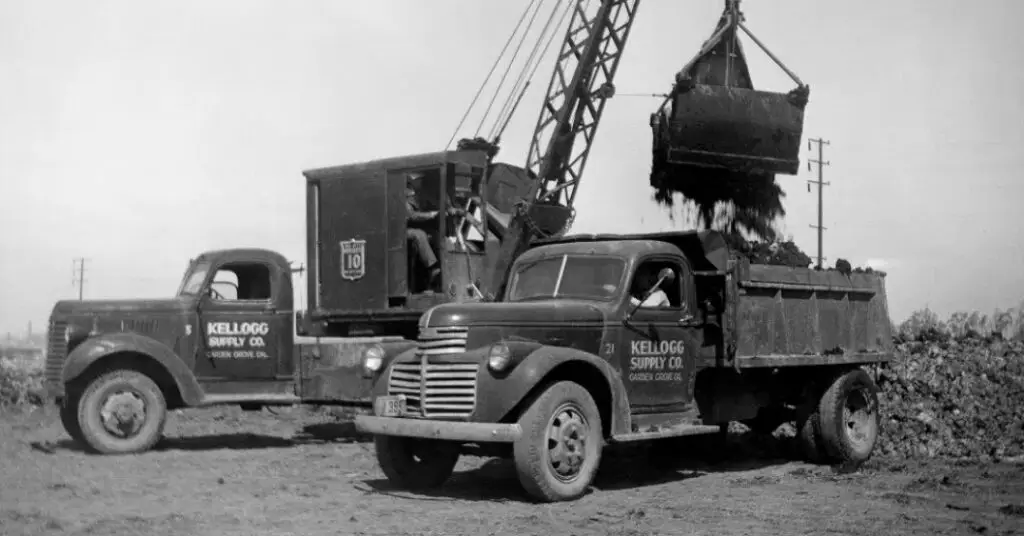
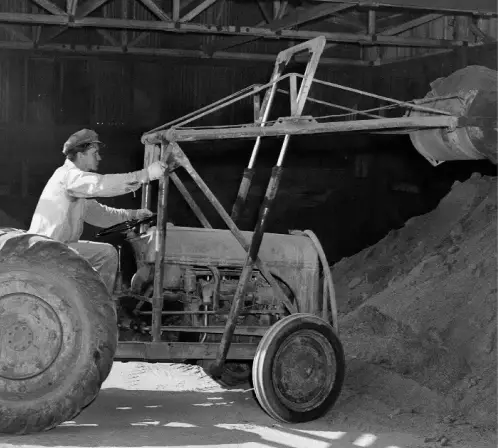
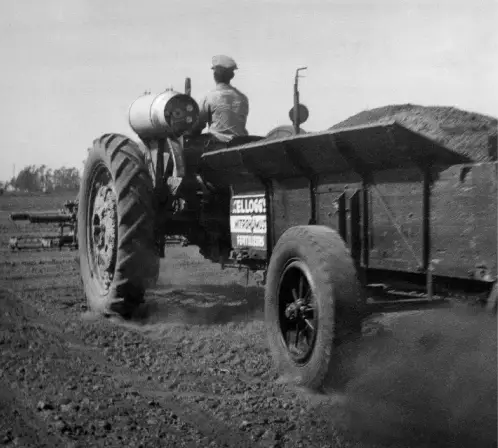
In 1925, H. Clay Kellogg started with a simple idea: healthy soil grows healthy plants, and healthy plants grow healthy communities. Four generations later, we’re still family-owned, still based in Southern California, and still a founding member of the Zero Waste Business Council. We’re not here to sell you something. We’re here to help you grow something.
See what’s possible when you start with the right foundation, then take it to your own garden.
Not sure where to start? Two minutes here saves you a season of guesswork. We’ll point you to the guides, the organic products, and the projects that fit how you actually want to grow.
No. Organic gardening isn’t a skill level, it’s a starting point. The difference between organic and conventional gardening is mostly what goes into your soil.
Starting with the right organic soil mix, matched to what you’re growing and where you’re growing it, changes the outcome more than almost anything else you can do.
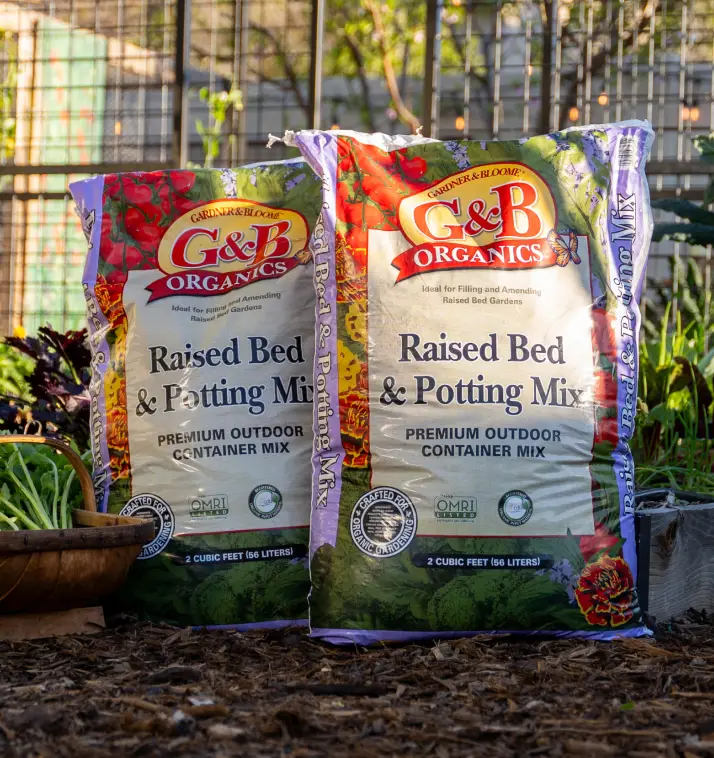
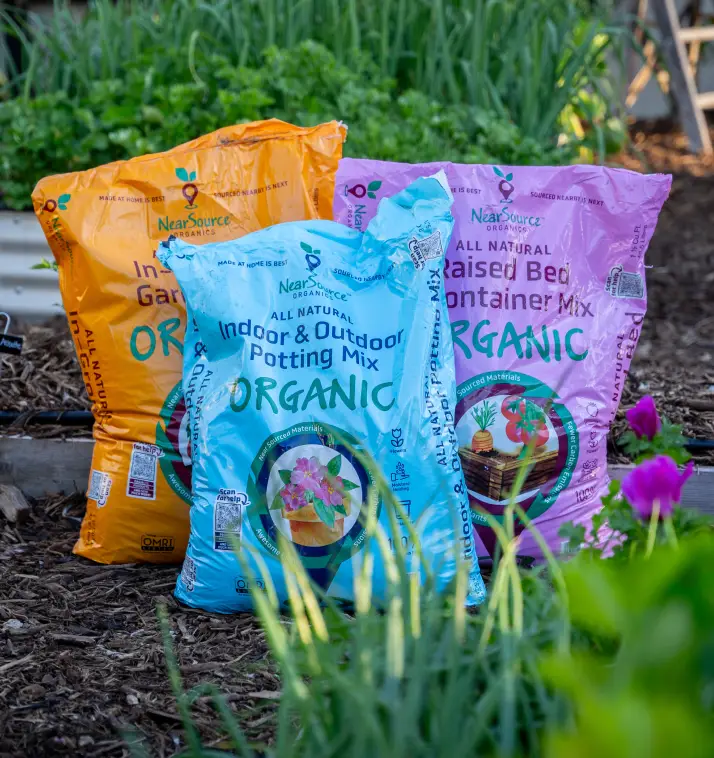
Potting Mix has a small particle size formulated to retain moisture in containers which tend to lose moisture more quickly. Raised Bed Mix has a slightly larger particle size that helps balance moisture retention with drainage for raised beds and large containers. Garden Soil has the largest particle size. When mixed with native soil, it creates pockets that allow air and water to penetrate deeper for stronger, healthier root development. Small container, use Potting Mix. Large container or raised bed, use Raised Bed Mix. Planting in-ground? Use garden soil. Our Soil Calculator can help you figure out how much you need once you know which one fits your project.
Organic soil feeds the microbial ecosystem in your soil, the living system that makes nutrients available to plants over time. Synthetic soils and fertilizers feed the plant directly, which produces fast results but doesn’t build long-term soil and plant health. Over time, organic soils gets better, like a fine wine. Conventional soils tend to deplete the soil of valuable nutrients. For a first-time gardener, organic soil is more forgiving; for example, it’s harder to over-fertilze, and easier to course-correct when something doesn’t go the way you thought it would.
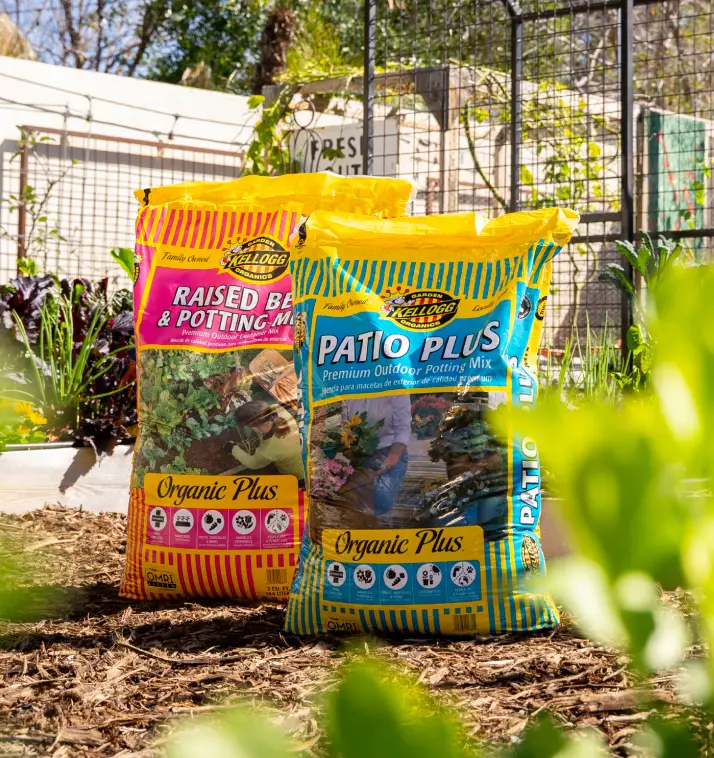
Look for OMRI Listed on the bag. OMRI, the Organic Materials Review Institute, is an independent organization that verifies products meet USDA National Organic Program standards. Every Kellogg Garden Organics product that carries the OMRI seal has been reviewed and approved. That’s not a claim we make about ourselves; it’s a certification from a third party. You can verify any OMRI listing directly at omri.org.
A single container on a sunny balcony is a garden. Some of the most productive growing happens in small spaces because attention is easier to maintain and conditions are easier to control. Container gardening with organic potting mix is actually one of the most reliable ways to start—you control the soil completely, drainage is predictable, and you can move things around as you figure out where the sun actually hits.
More than most people expect, especially for raised beds. A 4×8 raised bed filled 12 inches deep needs roughly 32 cubic feet of soil—that’s more than 20 standard 1.5 cubic foot bags. Underestimating is the most common first-timer mistake, and adding soil mid-season disrupts plants that are already establishing. Use our Soil Calculator before you buy so you know exactly what you’re working with.
As soon as you know your planting zone. Your zone tells you the length of your growing season and the timing of your last frost—which determines when it’s safe to put things in the ground. Find yours with our Planting Zone Finder, and the timing question answers itself.
Start with your USDA planting zone. Your zone tells you which plants survive your winters, how long your growing season runs, and when frost arrives. Some crops like tomatoes need long warm seasons. Others like kale and carrots handle cold well and grow reliably across most zones. Our Planting Zone Tool breaks it down with crop lists and frost dates for every zone. https://kellogggarden.com/planting-by-zone/
Tips, harvests, and hands in the soil. Follow along for organic gardening inspiration all year long.
Our monthly newsletter includes seasonal plans, organic planting tips, and the kind of straightforward advice that makes your neighbors think you’ve been doing this for years.
"*" indicates required fields