Homegrown carrot varieties from your garden are flavorful, colorful, and provide a satisfying crunch. They are hardy and popular root vegetables that can be grown successfully in almost any climate and can be eaten fresh or cooked up in a variety of ways, including soups and stews. Carrots are relatively easy to grow as long as they have the right conditions and care. Check out these essential tips for how to grow carrots in your own backyard.
Soil Composition and pH
The soil where you plant your carrot seeds has a significant impact on how successfully they will grow and produce. Ensure that your soil is well-tilled and loose so that the carrot can grow down into the ground without obstacles and produce long straight roots. Carrots will grow best in loose soil that is full of organic matter and well-decomposed compost.
Carrots enjoy a pH of 6.0 to 6.5. They do not grow robustly in very acidic soil or soil that is too rich in nitrogen. It is vital to test the pH of your soil prior to planting and amend your soil to create the best growing environment for your carrot plants.
Where to Plant Carrots
Carrots are somewhat versatile when it comes to planting location as long as they have loose and deep soil that is rich in nutrients and receives sufficient water.
Container and Raised Bed
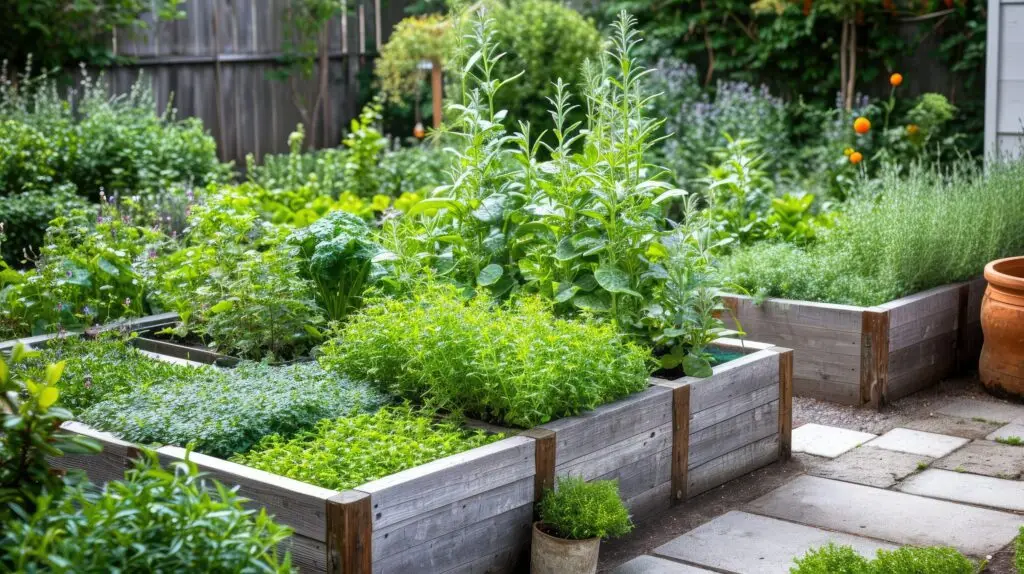
Raised beds and containers are optimal for planting carrots because you can control the soil composition and depth in a raised bed or bucket. Carrots need a fertile and roomy soil that is free from obstructions like rocks and heavy clay soil so that their root systems can grow straight.
Backyard
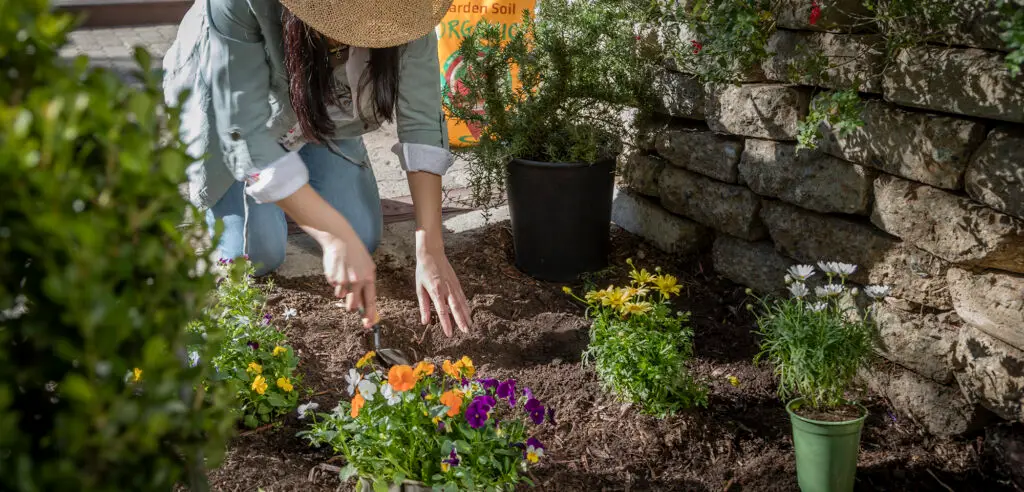
Carrots grow very well in backyard gardens, but soil preparation is far more arduous work. Backyard garden soil needs to be well-tilled and amended thoroughly with organic material so that carrots can grow and develop their fruits deep within the ground. The soil should be tilled to a depth of at least twelve inches for this root vegetable to thrive.Kellogg Garden OrganicsAll Natural Raised Bed & Potting Mix
**Product not available in AZ, CA, HI, NV, UT. For a comparable product in these states click here.
Starting from Seed vs. Buying Plants
Carrots do their best when seeds are sown directly in the garden or container where they will do all of their growing. Carrots are root vegetables, and they do not thrive well when they are transplanted, and their root system is disturbed.
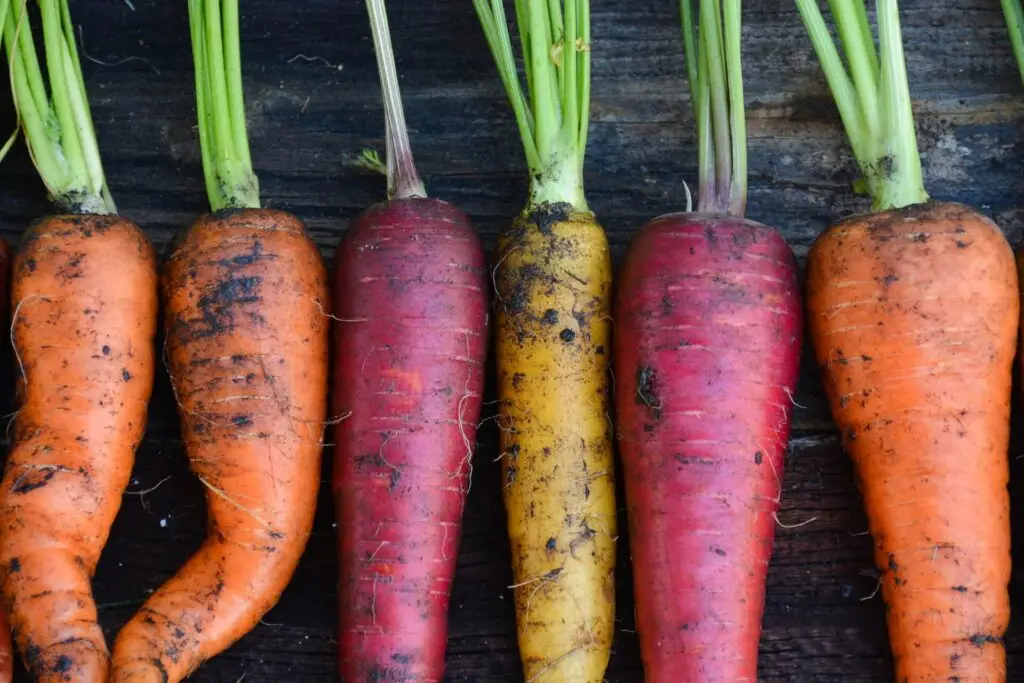
Carrot can be grown in a wide variety of sizes and colors, which makes them a fun way to truly ‘grow a rainbow’ in your garden. Choose from long, robust carrots or more compact varieties and multiple vibrant hues like orange, purple, white, and yellow!
Recommended Varieties
‘Caracas’ and ‘Short and Sweet’ are great options that produce shorter carrots that don’t have to grow as deep into the soil.
‘Deep Purple Hybrid,’ ‘Purple Dragon’ and ‘Kaleidoscope’ varieties will add tons of color to your plates.
‘Hercules,’ ‘Nelson,’ and ‘Tendersweet’ are fabulous classic carrot varieties.If you are curious as to what you can’t plant with you carrots, check out our guide here.
Spacing
When sowing carrot seeds, proper spacing is essential. Plant seeds a half-inch deep and one inch apart per row. We recommend planting carrots in rows that are spaced with at least one foot between each row. in loose well-draining soil and space them 1-inch apart and keep your rows 15-inches across from each other.
Nutrient Requirements and Light Requirements
Carrots thrive in gardens that receive full sun. Find a location in your yard that will receive a minimum of 6 to 8 hours of direct sunlight. While the carrots draw their nutrients from the soil and through the process of photosynthesis, they can benefit from fertilization approximately six weeks after the seeds are planted.
Pruning
If you plant your carrot seeds with proper spacing, there shouldn’t be any reason that you should have to prune them. In fact, pruning your carrots may invite trouble, as the aroma released from pruning, may invite unwanted pests to seek out your crop.
Pests and Disease
Unfortunately, pests can be a problem for carrots even though most of their growth is under the ground. Both can be significantly reduced by using good organic gardening practices.
- Ensure proper spacing to promote good airflow and prevent powdery mildew
- Be sure that your garden soil is rich in organic matter and beneficial organisms to combat disease and pests.
- Practice the art of companion planting, which can protect plants from pests by luring beneficial bugs to the garden, repelling pests, and feeding your carrots.
- Utilize clear row covers to protect plants from Carrot Rust Flies and other destructive organisms. Install the, before adult flies can lay their eggs on the carrot plants.
- Rotate your crops each season to ward off crop-specific pests.
- Remove any diseased plants and leaves entirely and dispose of them far away from your garden bed.
Temperature
Plant carrot seeds 3–4 weeks before the last frost. Carrots grow most efficiently in temperatures that range between 60 and 70 degrees Fahrenheit. Temperatures that dip or hover below 50 degrees Fahrenheit will stunt the hamper the growth of the carrot plant. Very high temperatures can affect the overall flavor of the root vegetable.
Overall Care and Harvest
Mulching around the plants can conserve moisture and reduce the propagation of weeds. Weeding your carrot beds will help ensure that the soil nutrients are going to your carrot plants and not to unwanted plants.
Carrots benefit from a regular supply of moisture, and they don’t thrive well in dry climates. Supply carrots with at least one inch of water per week.
Harvest your carrots approximately 2-3 months after you have sown your seeds. Look closely at the base of the green growth of your carrot plant. You should see a bulge of carrot, known as the taproot, peeking out of the soil. This likely means that the carrot has outgrown its space in the garden, and it is ready for pulling. Pull the carrots by their stems out of the soil using a slight twisting motion and rinse thoroughly before eating.