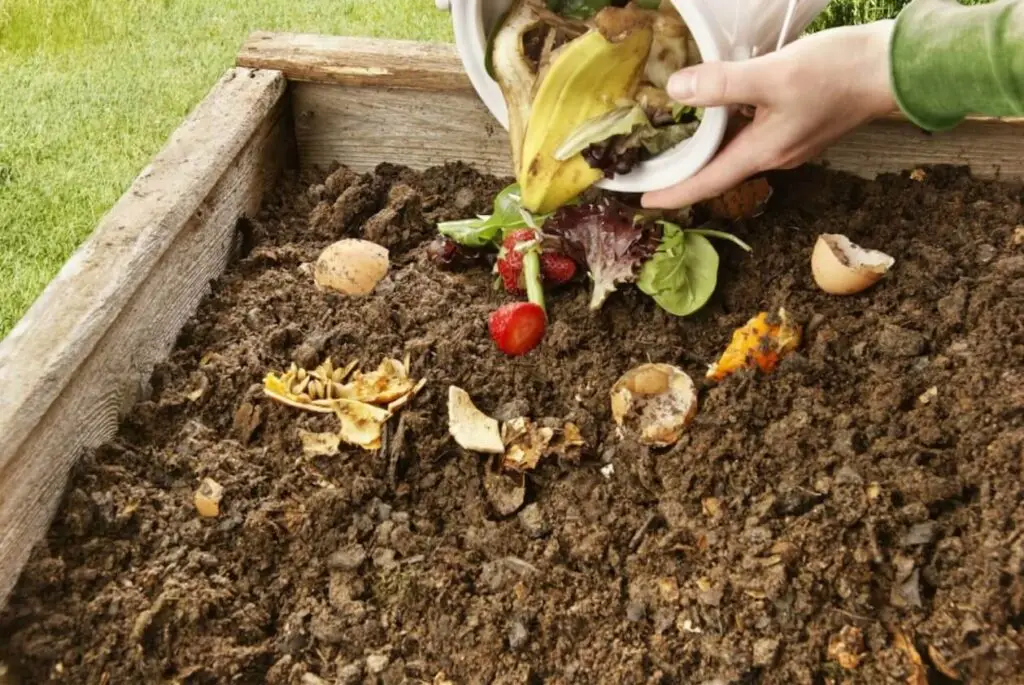
Thinking about starting a compost pile but are unsure of how to do it? You’re not alone — many gardeners put off starting a pile of their own because they don’t know what compost pile ingredients are recommended. But really, it’s pretty simple. There are two basic types of ingredients, and from these two lists, you have a number of options. Once you’ve done it, you’ll wonder why you felt so intimidated.Brown Matter: Aim for more brown matter than green; a 2/3 to 1/3 ratio is great. Brown matter is high in carbon and includes straw, branches collected from pruning, sawdust or wood shavings from untreated wood, leaves, pine needles, plants removed from the end of the growing season, and shredded newsprint. I like to cut brown matter up into smaller pieces before adding them to the pile because they will break down much more quickly.Green Matter: Green matter is higher in nitrogen and includes grass clippings, green plant clippings, veggie and fruit kitchen scraps, aquatic plants and seaweed, weeds without seed heads, droppings and natural bedding from small animals (hamsters, gerbils, rabbits), and manure from chickens, goats, pigs, cows, and sheep. Note on using animal manure: some manure can contain weed seeds or can be very high in nitrogen, so be sure the manure is rotted and well incorporated into the compost pile to avoid unnecessary problems.Not Recommended for Composting: Meat and dairy products are not recommended because neighborhood animals will be attracted to the smell — and who wants that smell, anyway? Not me. I also avoid putting diseased plant material in my compost pile, because it’s possible for that disease to remain and spread through your garden after the compost is incorporated.Avoid the glossy news ads from your newspaper as well, adding only the black-and-white newsprint. And although animal manure can be added, never put dog or cat feces into your compost pile as they have a much higher risk of parasites. Some sources state that these types of animal feces can be added to the pile as long as they get thoroughly composted and broken down, but really — I prefer to be safer now than sorry later, particularly where my food crops are concerned, so I don’t recommend it.