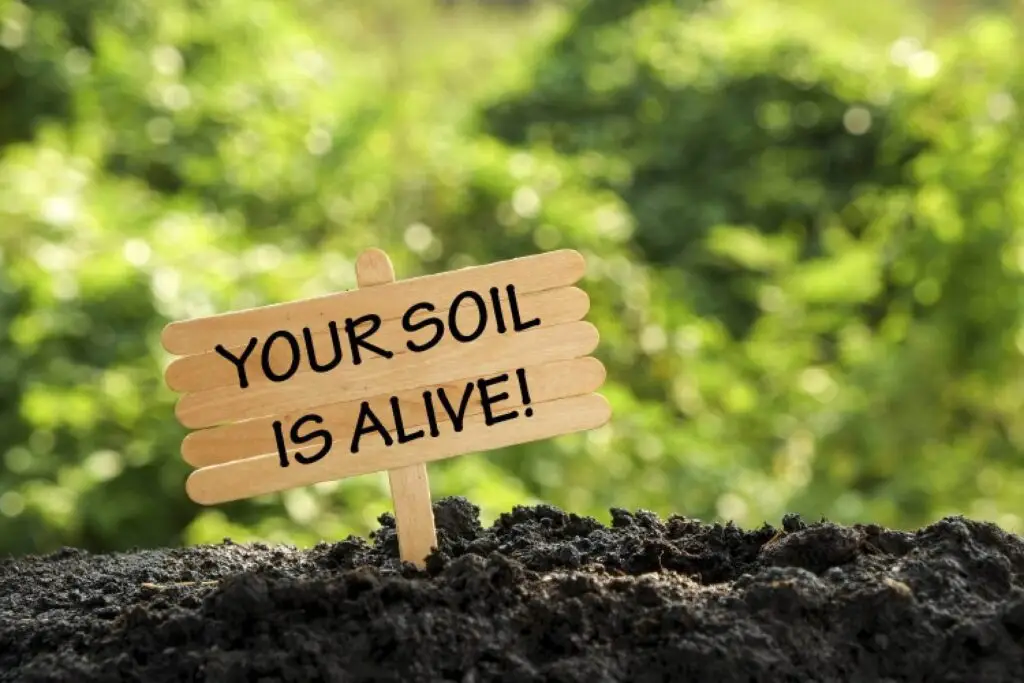
Organic gardeners and farmers know that in order to have long-term healthy plants, you need to feed the soil rather than simply fertilize the plants. But what does this really mean to the average backyard gardener? The first step is in realizing that your soil is alive — a teaspoon of soil is filled with more microbes than there are people on the earth. That’s pretty amazing, but still — what does it all mean? I’m no biologist, and technical talk has the ability to lose me relatively quickly, so I’m going to break it down for us all here.
- Plants are unable to access nutrients without soil microbes.
- Microbes get their nutrition from organic matter with carbon like leaves, wood chips, and manure.
- As the soil microbes “eat,” they create foods like nitrogen, carbon, oxygen, phosphorus, hydrogen, potassium, and trace minerals.
- Microbes then covert all of the above into a form that our plants can access and use to grow, flower, fruit, and thrive.
- Microbes protect the plants from pests and disease.
- They also create a good soil structure so that water gets to the plants’ roots rather than running off.
So if the soil is void of microbes, plants cannot live. If plants can’t live, what do you think happens to humans? Yep, that’s a scary thought. So this conversation about organics and healthy soil is not simply “geeking out” or being a “plant nerd.” This is biology, plain and simple. I don’t make up the facts; I just report them.
The factors that negatively impact soil microbes are excessive tilling and the use of synthetic pesticides, fungicides, herbicides, and bactericides. Using synthetic chemicals may feed your plant, but they do nothing to enrich the soil, and over time, can kill microbial life. Not good.
So what can you do to ensure healthy, living soil with active microbial life? Quite a bit!
- Disturb the soil as little as possible.
- Use organic products rather than synthetic ones.
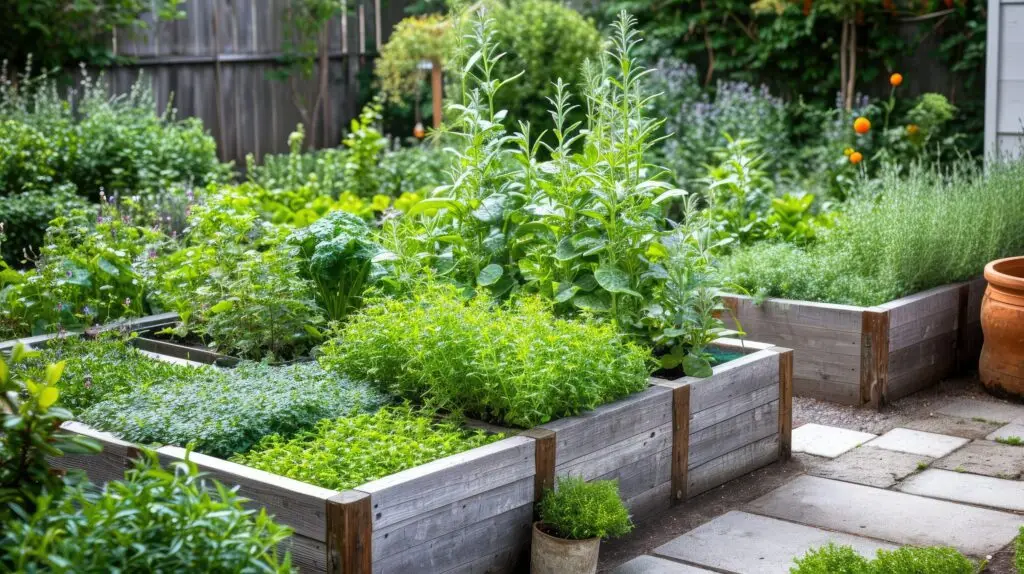
- Grow as many different types of plants as reasonably possible — diversity in plant material is required to encourage and support diversity in soil microbes. Garden practices like crop rotation are a great example.
- Keep living plants growing in the soil as much as possible throughout the year. Have a veggie bed that has no veggies growing in it right now? Use a cover crop like clover, winter rye, buckwheat, or hairy vetch.
- Keep the soil covered to retain soil moisture, suppress weeds, and reduce soil temperature.
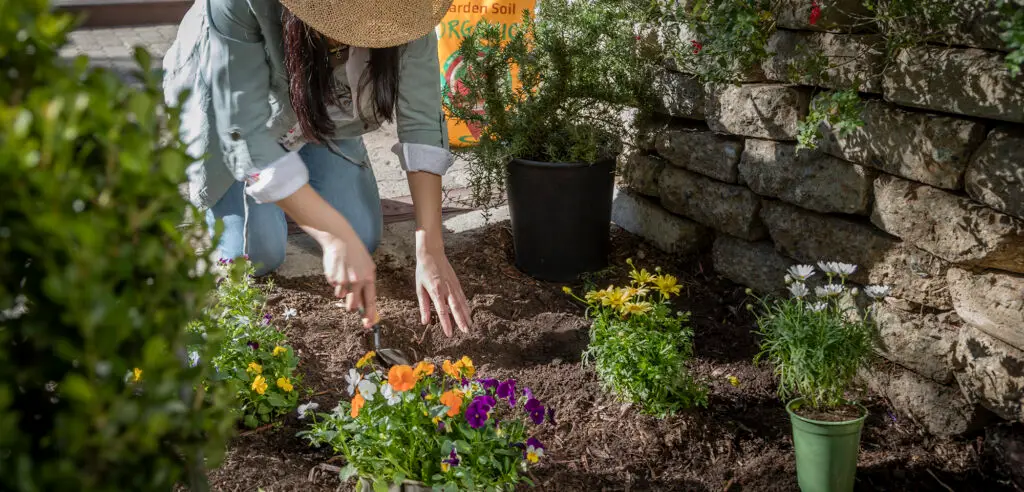
- Create a regular schedule of adding organic matter to your soil — compost kitchen scraps, leaves, lawn clippings, and manure to add to your soil throughout the year.