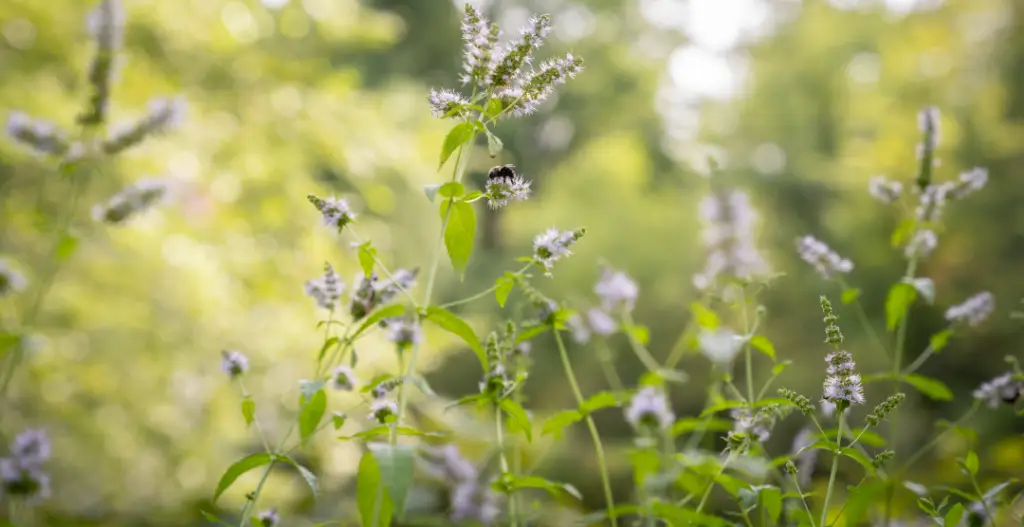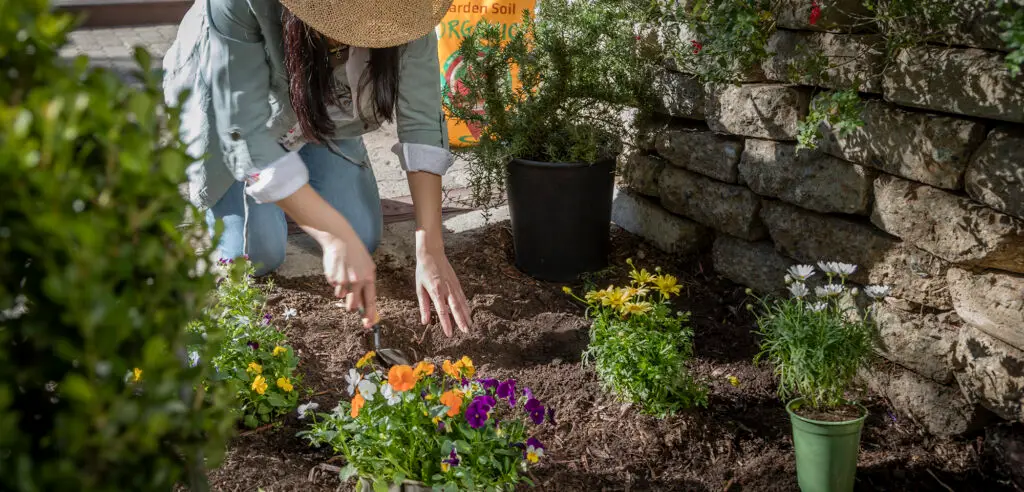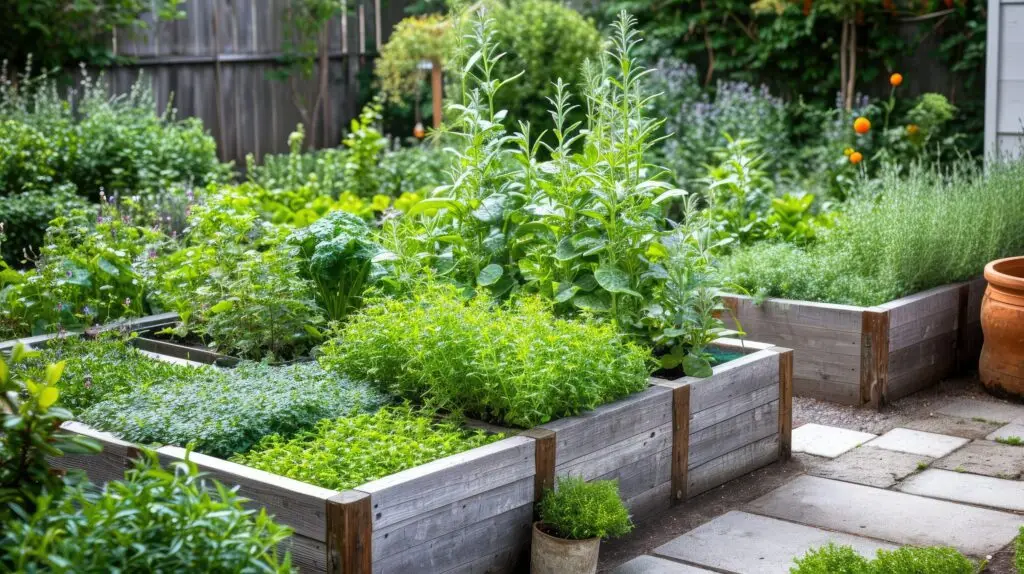
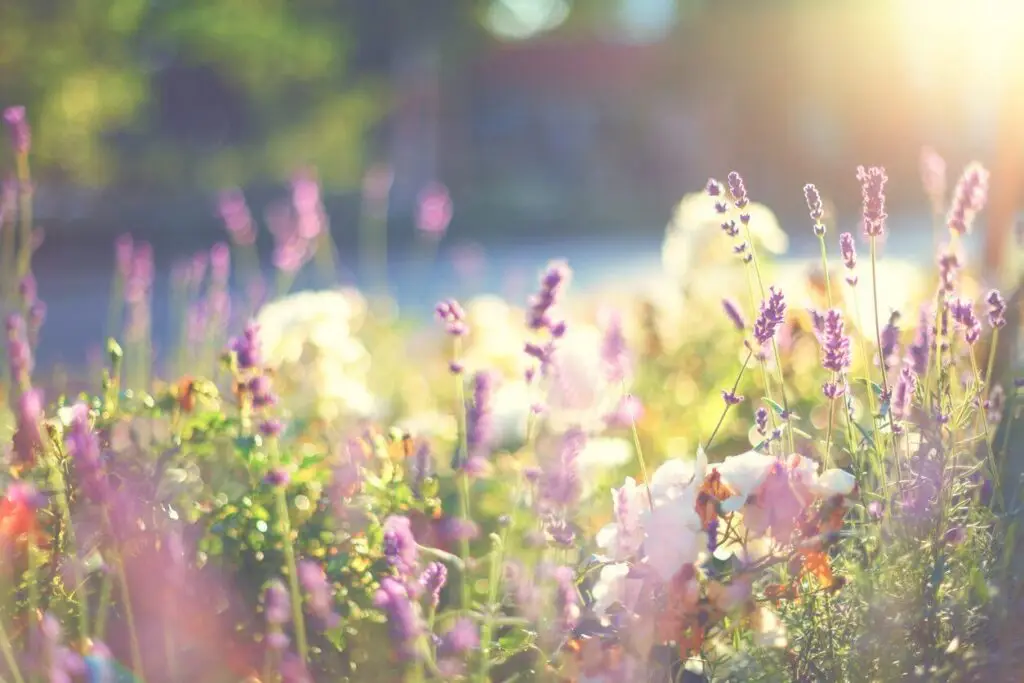
Wildflowers are so naturally beautiful with a wide variety of colors, shapes, and forms — from coneflowers and poppies to bluebonnets and verbena, if you want a bit of wild beauty in your garden read on for the steps to getting started.
How to Start a Wildflower Garden
In this video, Birjette, a local organic seed grower from San Diego Seed Company discusses how to successfully plant, transplant, and grow wildflowers. Watch the full How to Start a Wildflower Garden video on the Kellogg Garden Youtube Channel.https://www.youtube.com/watch?v=QaVI0BW2AgY&t=3s
Starting a Wildflower Garden
Gather seeds. Look for seed mixes that feature wildflowers that are native to your area — garden centers and feed stores are great sources. You can also order seeds from a trusted online source which have various seed mixes depending upon your geographic location.
Determine planting time. This will be different according to your region, so be sure to check what is recommended for your area. In our area, fall seeding is best, but it’s also possible to seed in the spring.
Select site. Most wildflowers require a minimum of six hours of full sun, but there are wildflowers that also prefer a partially shaded area. When you’re using a mix, carefully read the information on the package to determine the best planting site on your property.Prep soil. Start by removing all existing plant material, grass, and weeds in the area for planting (including roots). If your soil is very poor, consider adding some compost to enrich it before adding your seed.
Scatter seeds. Now you’re ready to scatter those seeds! Again, read the directions on the package(s) you are using, but in general, you’ll scatter the seeds at a predetermined rate of pounds per square foot. Once you have scattered the seeds, lightly compress them into the soil with a garden roller or by walking on them. Some experts recommend to lightly cover them with soil, while others advise against that — we opted to leave them uncovered after compressing them.
Water. Keep your seeds watered until they are 4-6” tall, aiming for consistent moisture rather than a soaking wet texture. After that, they survive on natural rainfall just as they do out in nature.
Notes: If you want your wildflowers to reseed and come back next year (and in the years following), be slow to mow after they are done blooming. It will look a bit ratty for a while, but it’s necessary to give them time to go to release their seeds back into the soil. After that, you can mow or string trim to a 3-6” height to neaten things up a bit. Don’t be too concerned with weeds — wildflowers coexist with weeds just fine in their natural habitat, but if you see some weeds really taking over, carefully do what you can to remove them.