Gardening is arduous work, but there are lots of natural gardening tips and tricks that can ensure that all that hard work pays off with great rewards, while making life a bit easier for gardeners. Here is a robust list of 25 of our favorite organic gardening tips that will keep your garden its healthiest and most fruitful all season long.
- Start a compost pile.
- Cover your compost pile with a tarp when you are not using it. This helps the rich soil to retain its nutrients and also prevents weeds seeds from germinating.
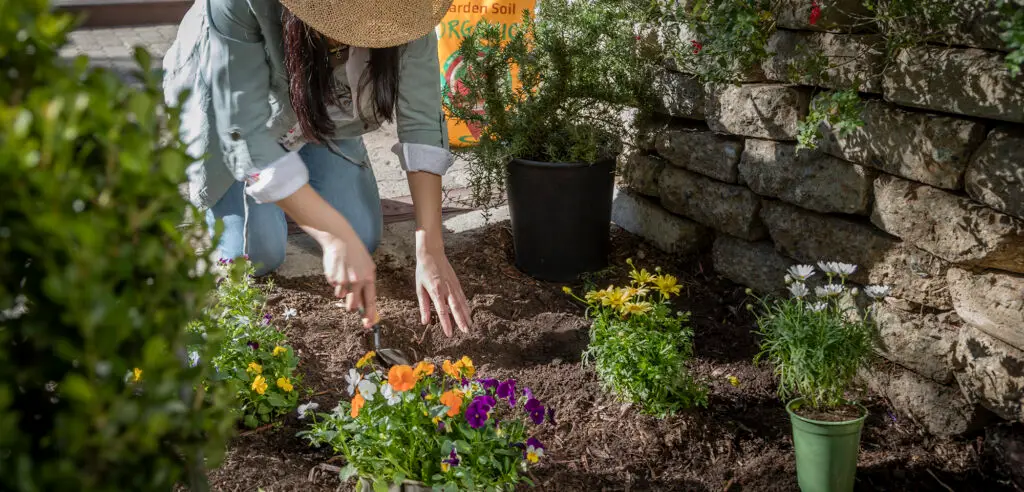
- Give your garden the best start by amending the soil with organic matter and well-decomposed compost.
- Amend your soil with organic matter throughout the season to ensure nutrient rich soil. Healthy soil means healthy roots for your plants, so amend the soil with organic matter in your garden before planting and throughout the gardening season. Use a mix of sand, peat moss, and manure compost to create an ideal growing environment.
- Water gardens in the morning to help ward off diseases like powdered mildew. This will allow the sun to dry the plant leaves throughout the day and help them stay healthy and strong. Also, soil retains moisture best when it isn’t competing with the hot sun and the evaporation process.
- Add two inches of mulch around your plants to maintain moisture in the garden soil and to help keep weeds at bay. Mulching also prevents nutrients from leaching out of the soil.
- Deadhead annual flowing plants frequently for more vigorous and plentiful blooms.
- Prune your indeterminate tomato plants for a more plentiful harvest.
- Practice the art of companion planting. When you plant compatible plants near each other, they can mutually benefit from each other. Planting different types of plants in proximity to each other can boost growth, provide necessary shade, repel pests, provide necessary shade and even improve the flavor of your harvest. Some plants even release essential nutrients into the soil which help to feed the surrounding plants.
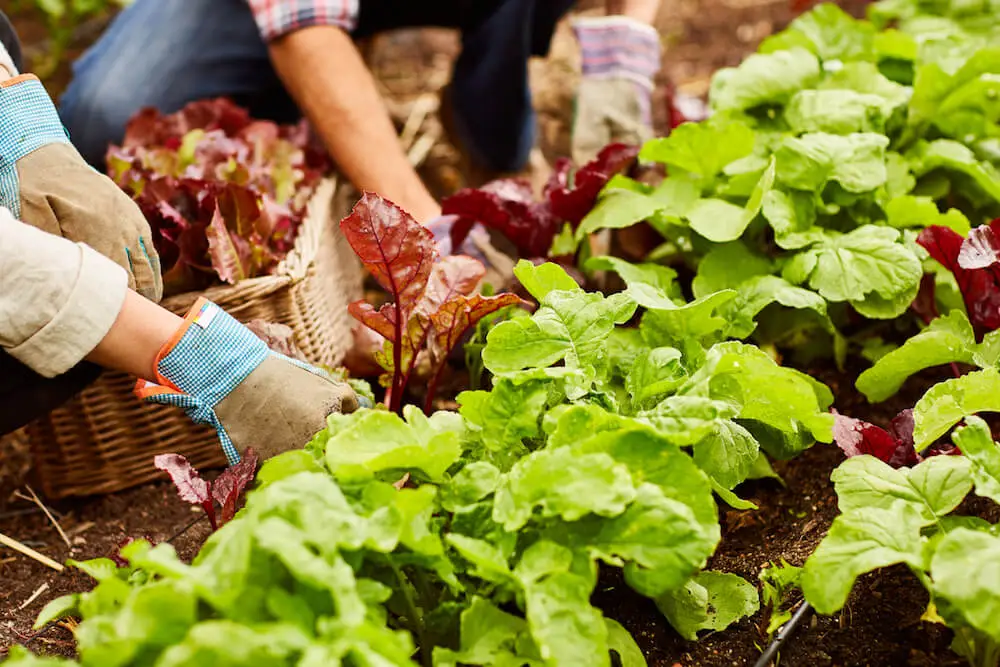
- When it is harvest time in the garden, harvest often. More frequent harvests will result in high yields from the vegetable plants that you have nurtured all season.
- Cut milk jugs in half and keep them on hand for times when the weather dips enough to have a frost warning. The milk jugs will act as mini-greenhouses and protect them from freezing.
- Plant tomato plant stems deep in the soil. Tomatoes can shoot roots off from their stems, creating a more robust and healthier plant.
- Start seedlings indoors using eggshells and potting mix. Use cracked eggshell halves and fill them half full with potting mix. Plants seeds inside of them and watch them flourish.
- If you find a sick plant in your garden plot, remove it immediately and thoroughly. Dispose of the diseased plant far away from your garden bed. Rake the area of the garden bed out to ensure that all remnants of the plant are removed.
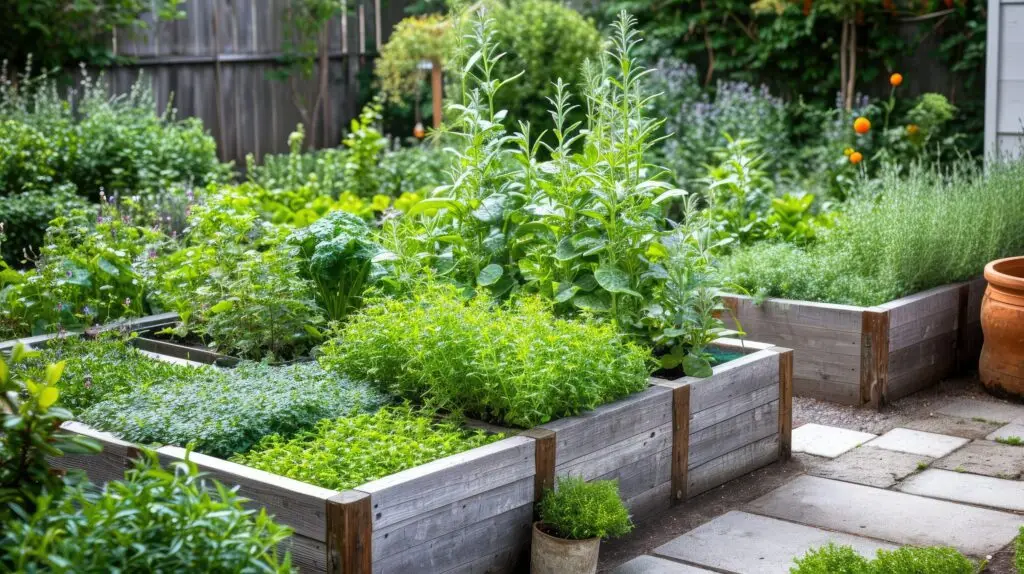
- Avoid any treated wood when building a raised garden bed, which can contaminate your garden soil, plants, and produce with toxins. Consider even using brick, stones, or metal in your garden design.
- Provide proper spacing when planting to provide good airflow between plants. Good air circulation can help leaves dry efficiently, reduce the risk of disease in the garden bed, and promotes a healthier garden.
Kellogg Garden OrganicsAll Natural Garden Soil
**Product not available in AZ, CA, HI, NV, UT. For a comparable product in these states click here.
- Swap your plant zones each season by rotating your crops. Different plants have different nutrient needs, and heavy feeders can deplete soil nutrients. Rotating what you plant in your garden beds will help keep the soil balanced and rich.
- Keep slugs and snails out of the garden naturally by creating a beer trap and setting it in your garden. Pour beer into a pie tin or other shallow dish and nestle the dish in the garden bed so that the rim is flush with the soil. Slugs will seek out the beer and drown.
- Try using pine needles for mulch. Pine needles have a high acidity level and are great to use for mulch around plants that thrive best under a more acidic pH. Cover the area around the plants with two inches of pine needles. They will break down over time and add nourishing acid to the garden soil.
- At the end of the growing season, cut annuals down instead of pulling them out. This will allow the soil to remain intact and will fill spots that weeds are looking to occupy.
- Allow dirt to dry out a bit between watering to encourage the roots of plants to reach down deep to seek out moisture, thereby strengthening the plant.
- Sprinkle hair clippings or hairbrush your hairbrush around the garden bed. Animals like deer and rabbits will smell the human hair and will find another garden to feed on.
- Sprinkle cayenne pepper generously on and around your plants to keep wildlife from munching on their leaves.
- Handpick menacing and destructive Japanese Beetles off of rose bushes and drop them into a jar of soapy water.
- Sprinkle used coffee grounds around the garden for a nitrogen boost which will help feed plants and bolster their growth.