If landscaping was as easy as snapping your fingers, everyone would have a yard worthy of the glossiest of magazine covers. However, it’s not that easy. The good news is that it’s not that hard either. We’ve compiled 10 simple steps for a picture-perfect landscape.
Keep It Super Simple
This is especially true if you’re a beginner as the temptation to “go wild” is very strong. Instead:
- Choose to plant smaller flower beds with pathways (hardscape, bark or decomposed granite), seating areas, synthetic turf or drought tolerant grass in between.
- Plant flowers and hedges that don’t need much pruning. Evergreens are much easier to tend than deciduous shrubs.
- Plant a container garden with decorative clay pots. You’ll have portable flowers and herbs with the extra design element of the pots.
- Use stone blocks to build a fire pit.
Just a Little Off the Top when Mowing
Cut your grass to about 2″ – 3″ tall (usually the highest setting on push mowers) for a healthier lawn. If you take off more than a third of the grass’ height, it results in stunted root systems and less moisture. Plus, you’ll get more weeds if your grass is too short to overshadow them.
Whack the Weeds
Once you see a weed, grab your organic weed killer and do the deed. Make sure to get the root systems or new ones will grow. If you have barren spots in your lawn, apply organic fertilizer to get the grass growing. Weeds love barren spots.
Change is Good
If your current landscape is overgrown or rough-looking, don’t feel bad about tearing it out and putting in a new one. Never settle.
Measure Twice, Plant Once
Don’t just start digging and planting. Map out your landscape design with twine, chalk spray or even your garden hose. Grab a pen and paper and draw up your ideas. You’ll end up with a more appealing design.
Look to the Future
What will your landscape look like when done? Keep that big picture in mind as you plan and plant. For example:
- Don’t toss a flower here and a shrub there randomly.
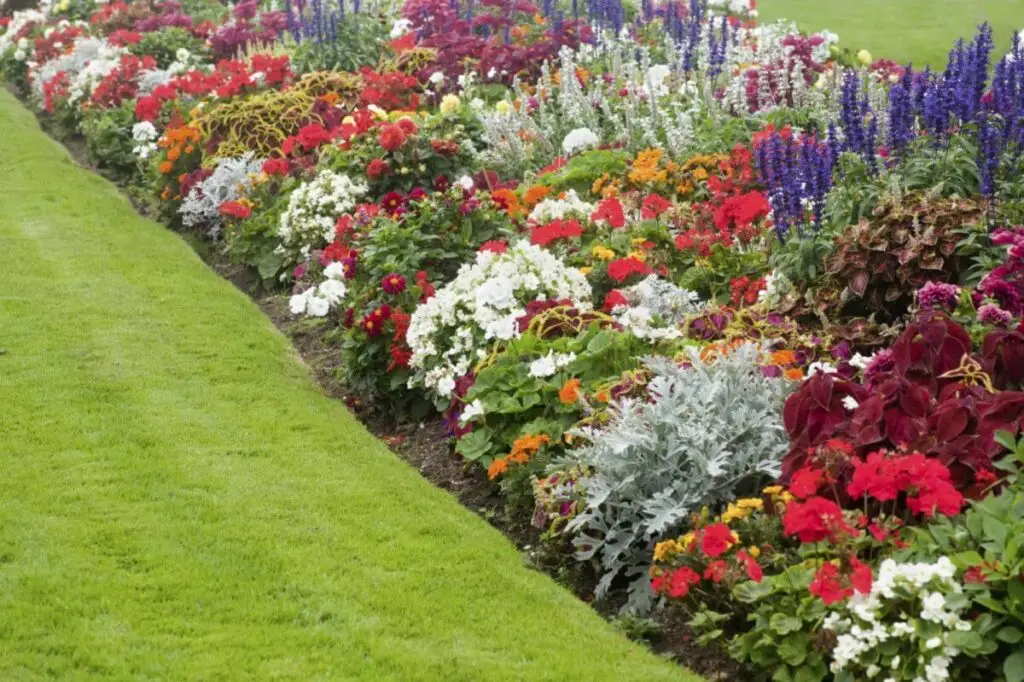
- Split different sections of your landscape with cylinder blocks filled with plants like roses. Ornamental grasses add texture, different colored flowers create borderlines. Plants of different heights work well, too.
- Create focal points with color. This is an easy way of highlighting your entryway or sitting area.
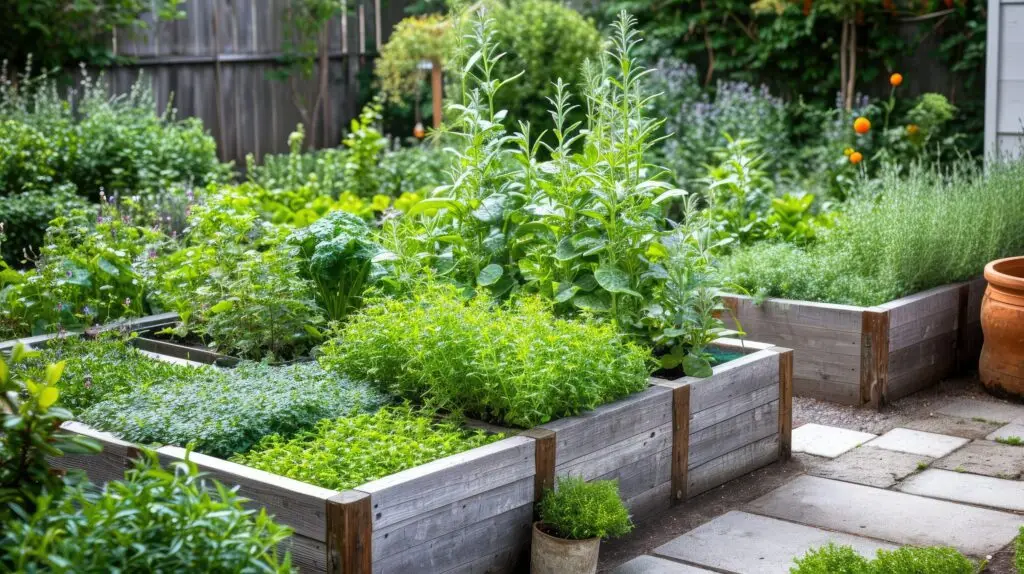
- Add some edibles to your design for fresh snacks to harvest.
- Make a path through your landscape with pavers, masonry blocks or broken pieces of stone.
Location is Key
You’ll have the most success if you choose plants that are right for your climate. Always follow the directions on the plant tags regarding water & light preferences, feeding, height, etc. Space your plants about 1′ – 3′ apart to avoid overcrowding.
Think Small
We’re talking about plant sizes. Don’t forget to consider height when you’re planning your landscape. Remember that taller plants will overshadow their smaller neighbors, which will stunt their growth. If you have shade-loving plants, face them to the north. Taller plants are good for areas closer to your home, with their shorter neighbors in front of them. Just don’t plant the taller ones in front of windows! You’ll end up relocating them.
Foundationally Speaking
Avoid planting trees near your home’s foundation. That tiny transplant could grow to have roots that are almost three times the tree’s height. This can cause damage to your foundation that requires expensive repairs. A good rule is:
- Plant small trees no closer to your home than 15′, and
- Plant medium or large trees no closer than 30′ – 50′.
Avoid Shocking Surprises
Always check with your local utility company for service locations before planting, especially trees. Roots can cause dangerous damage to underground pipes and lines, such as gas, phone, cable and electricity.
Follow these 10 simple steps and you’ll have a picture-perfect landscape!