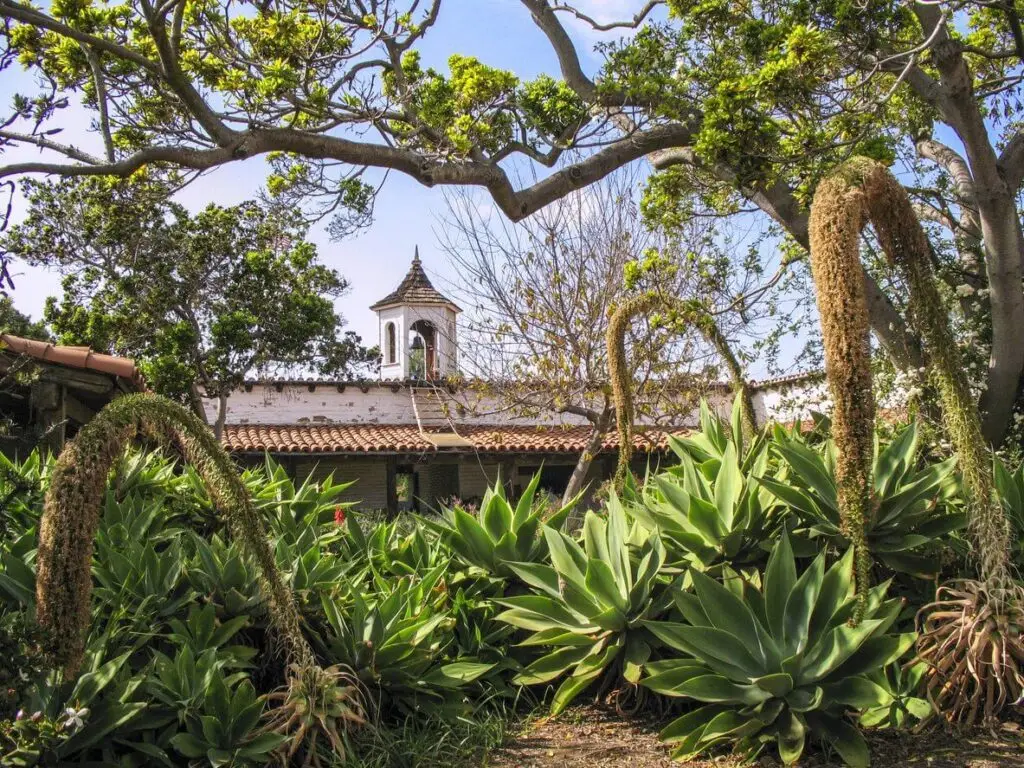
Water is a precious natural resource, and indeed, the source of all life. And even if you live in an area of plentiful rainfall so that “water conservation” isn’t a part of your daily conversation, I think we can all agree that water isn’t something to be wasted. I live in an area of the United States that experiences regular drought conditions broken up by torrential rain events, making water restrictions and guidelines a permanent part of our lifestyle. Wherever you live and garden, there are easy steps you can take to create a water-wise garden right in your own backyard.Use native and adapted plants. Native and adapted plants are used to your particular area’s climate, so they don’t require heroic measures in order to grow and thrive. If you live in arid Arizona, probably the last plants you’d want to add to your garden is something like impatiens or hostas — they simply aren’t compatible with the soil conditions, strong sun, and lack of rain. So get to be besties with your local native and adapted plant list, and stick to it.
Decrease your lawn area. While it’s true that there are some parts of the country that receive enough rainfall to make lawns acceptable, the fact is that turf-grass is a water hog. If you live in an area that experiences regular watering restrictions, consider decreasing the size of your lawn or going native. Native plants are great because they are already adapted to the level of water your area receives. In other words, if you are in a drier area, they tend to require less water. You may even get a rebate from your city for making your property more water-wise. Score! More money for plants.Kellogg Garden OrganicsAll Natural Planting Mix
**Product not available in AZ, CA, HI, NV, UT. For a comparable product in these states click here.Employ rainwater collection systems. A rainwater collection barrel is a great option, but don’t forget features like rain gardens that naturally collect and disperse rainwater where you want it to go.
Use organic gardening methods. Organic gardening methods are key to water conservation because they help to create thriving, nutrient-rich soil. Healthy soil is able to absorb water and get it to the plants’ roots, resulting in abundant food crops, thriving plants, and fewer disease and pest problems. Unhealthy soil contributes to water run-off and waste.