The fall gives us a great opportunity to do a thorough clean-out of your garden beds. Whether you’re planning to grow some fall vegetables or add more fall plants or simply put everything to bed for the winter, follow these steps to make sure your garden is snug as a bug in the proverbial rug!1. Clear out any dead or diseased plants or foliage — compost dead plants, and dispose of any plants or cuttings with noticeable disease issues. You don’t want those diseases added to next year’s garden via the compost. I just bag it up (a plastic grocery store produce bag works well) and throw it in the trash can.2. Lift out any tender bulbs and store them in a cool, dry place like a cellar or a pantry for the winter.
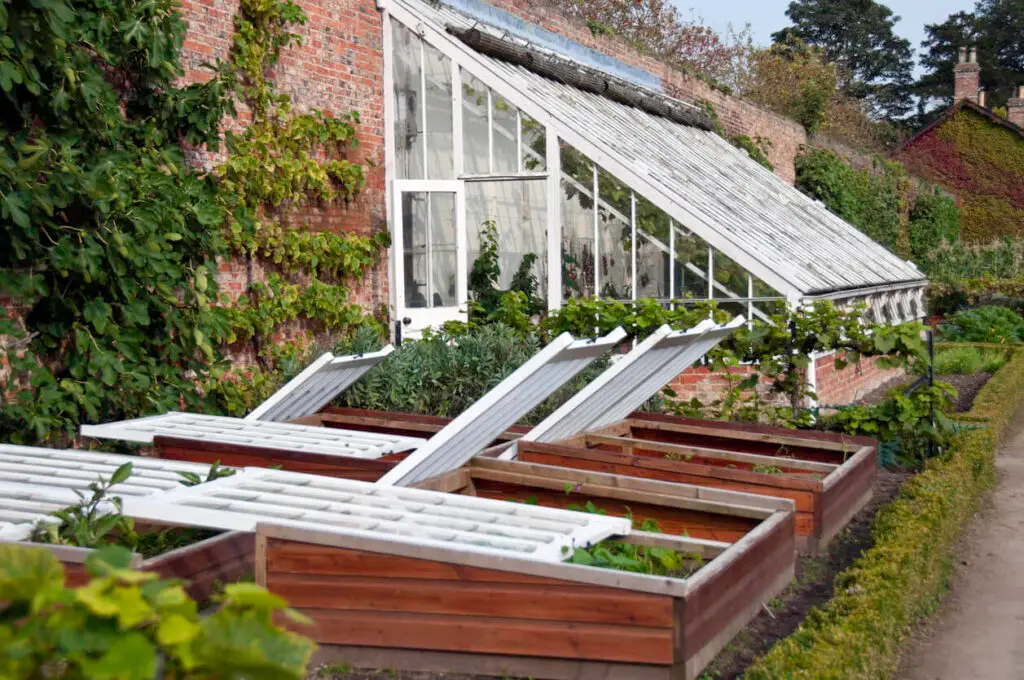
3. Be prepared to protect any plants in case of sudden cold weather — use row covers or freeze cloth, bring potted plants inside or to the greenhouse, or consider a cold frame to extend your growing season. I’ve also used “hoop houses” that cover an entire vegetable garden bed during cold weather — arc flexible PVC pipe over your bed from side to side, securing the ends into the ground, then cover with breathable freeze cloth.
4. Add any necessary soil amendments to your garden beds now. You’ll be glad you did come next spring when you can then hit the ground running — spring is busy enough as it is, isn’t it?5. Remember to water! Although most plants are dormant in the winter and require less water, be mindful of irrigation if you haven’t had any rainfall in some time. Aim for a deep watering a couple times a month in the mornings.
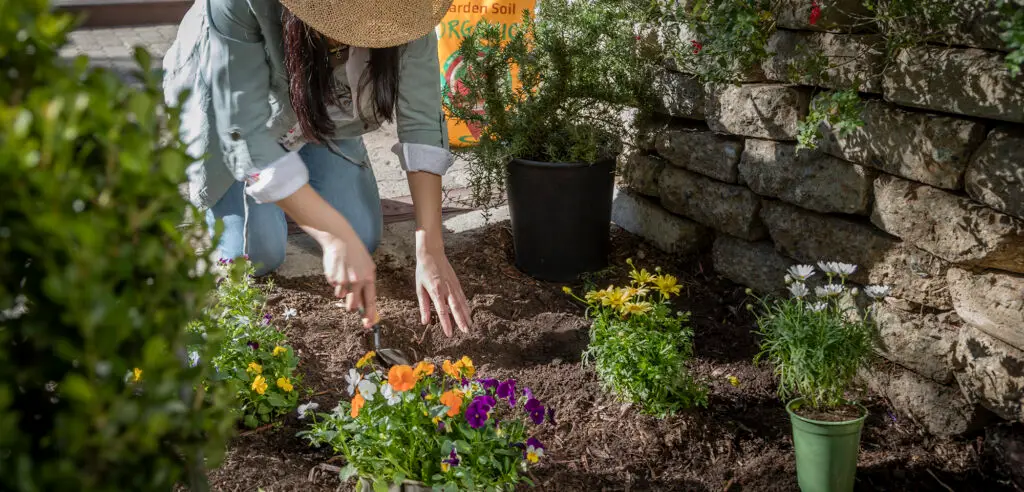
6. Add a good layer of mulch. There are many benefits to fall and winter mulching. I like shredded hardwood mulch because that’s what’s recommended for my area, but use what is sustainable and readily available where you live. A 3” layer helps to protect plants and their roots, but avoid heaping mulch up against or over the plant itself, which can lead to rot.
7. If you have any young or delicate trees, consider wrapping their trunks with burlap to protect them — the last thing you want is for that prized specimen to suffer during the winter and perish next spring.