When fertilizing a garden and feeding plants, it is vital to remember that rather than simply feeding your plants, you are nourishing your soil. Plants consume soil nutrients, but the microorganisms within the soil help break down the organic matter and make the nutrients available to plants. Blood meal vs bone meal offer different things to your plants.
Using organic fertilizers like blood meal and bone meal helps maintain a natural balance and can provide endless benefits to your garden. Blood meal and bone meal are both slow-release, natural fertilizers that are amazingly high in vital nutrients and proteins. Bone meal and blood meal are soil amendments that infuse current soils with macro and micronutrients that plants need to grow healthy and robust. They provide different nutrient contents and can be used synchronously in the garden to boost production.
Let’s explore blood meal vs bone meal and discover the differences and why you might like to incorporate them into your amendment regimen. Before adding any fertilizers and amendments to your garden, consult your local extension office and perform a soil test to find out the pH of your soil and any nutrients that your soil may be lacking.
What is Bone Meal?
Bone meal is an organic soil amendment that is composed of steamed and finely ground animal bones. It is rich in calcium and phosphorous, which are essential to robust root development, disease prevention, and bolstering plant growth.
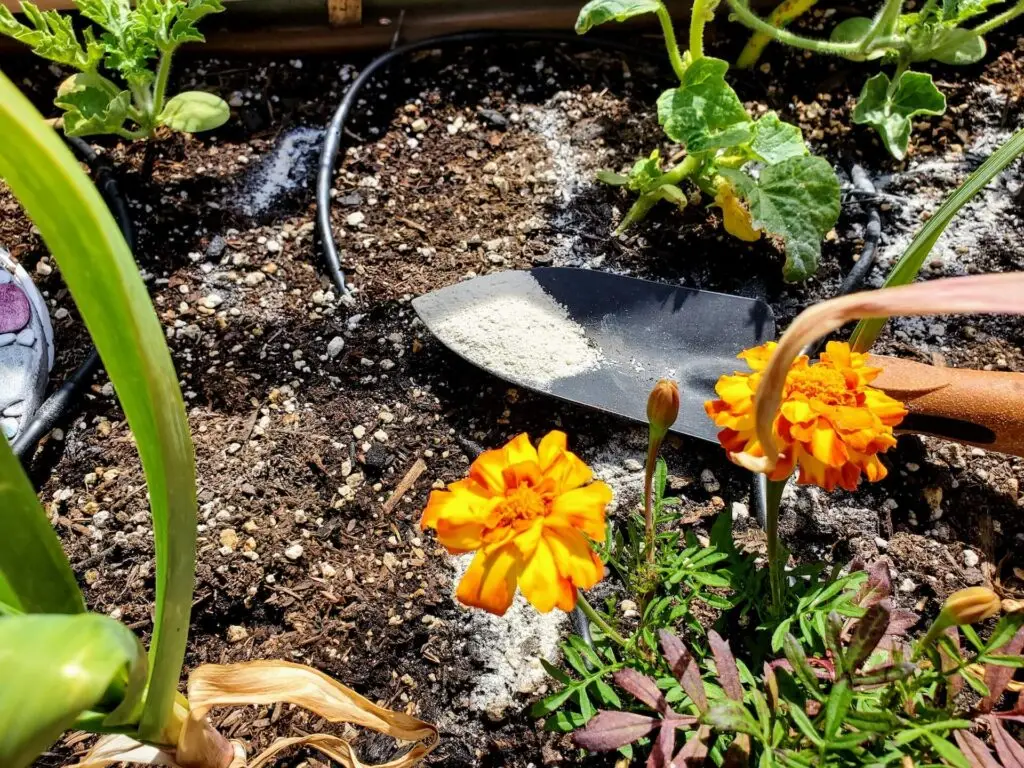
Bonemeal also includes essential micronutrients such as magnesium, zinc, and iron that boost plant health and benefit soil’s microbial growth. It comes in both powdered or granular formulas and will not burn your plants if you happen to overuse it.
- Obtain a soil test from your local extension center to check if bone meal is needed in your garden.
- Bone meal can bolster healthy root development in plants.
- It benefits plants’ root growth, promotes cell division, and prevents stunted growth.
- The addition of bonemeal can revive plant growth and encourage flowering.
- Great for flowering plants, bulbs, and rose bushes.
- Improves overall soil structure by growing the concentration of valuable soil microbes.
What is Blood Meal?
Blood meal is a byproduct of slaughterhouses and is essentially dried animal blood. It is a water-soluble fertilizer that can be applied as a liquid. Its addition to soil increases nitrogen levels very efficiently. Nitrogen levels tend to fluctuate readily in soils, as many plants are heavy feeders of nitrogen. This is particularly beneficial if your planting beds are used year after year and are susceptible to nutrient depletion.
- Feeds vegetable plants that are heavy feeders of nitrogen. Such plants include asparagus, broccoli, corn, cucumbers, eggplant, okra, melons, peppers, pumpkins, squash, and tomatoes.
- It keeps plants fruiting, flowering and encourages lush green foliage.
- Use the intense smelling blood meal fertilizer to deter deer, moles, or ground squirrels.
- Blood meal fertilizers can help adjust your soil pH.
- Lasts for 6-8 weeks between applications.
- If multiple growing seasons have depleted the soil of nutrients, blood meal can revitalize the soil to a more balanced state.
- The addition of too much nitrogen can burn plants, so use sparingly.
Blood Meal vs Bone Meal
Blood meal and bone meal can greatly improve the quality of your soil. The soil requires a variety of micronutrients and macronutrients to thrive. Bone meal and blood meal are both slow-release organic fertilizers that can boost the health and productivity of your overall garden. These fertilizers take time to break down and make their nutrients available to plants.
While both can be beneficial to your soil, it’s important to test your soil before applying so that you can determine your soil’s needs. If your soil lacks nitrogen, blood meal is one of the best ways to get it into your soil. If phosphorus is what your soil is deficient in, bone meal will suit your needs.
Test your soil and your pH to ensure you are getting the most benefit from your amendments. Once you have your soil test results and determine your fertilizing needs, knowing the differences between blood meal vs bone meal will ensure healthier soil, more vibrant sturdy plants with bigger blooms, and higher yields throughout the growing season.
Enhance Your Garden’s Health with Kellogg Garden Blood Meal and Bone Meal! Discover the perfect balance for your soil and plants. Find your nearest Kellogg Garden product store with our handy store locator tool!