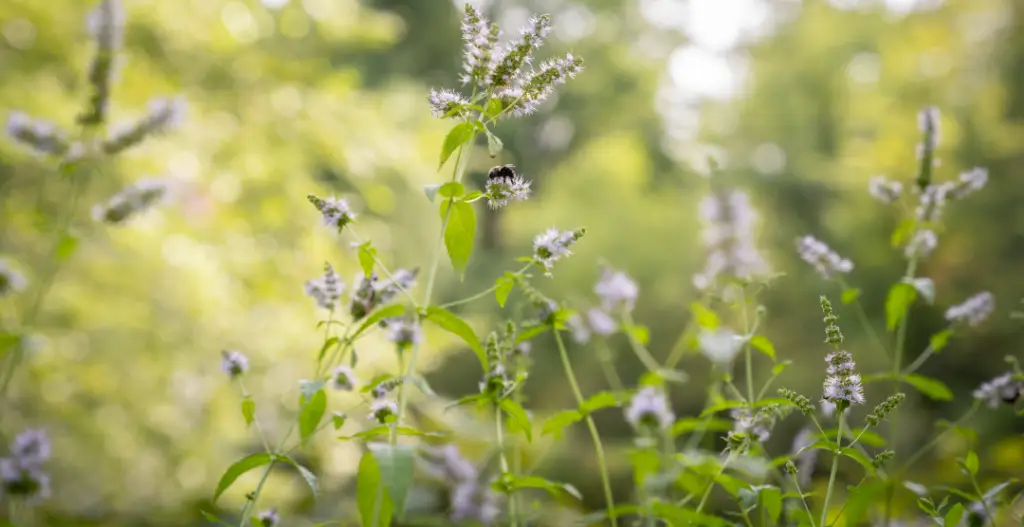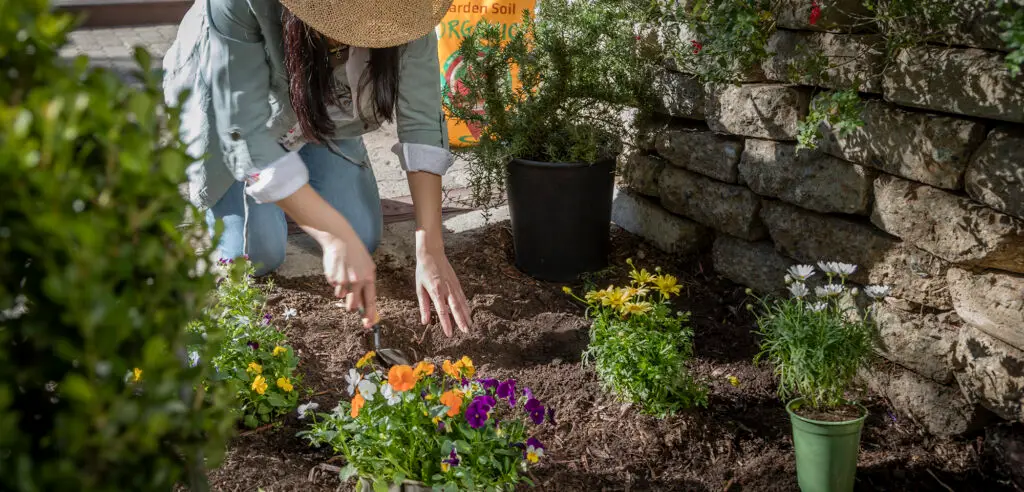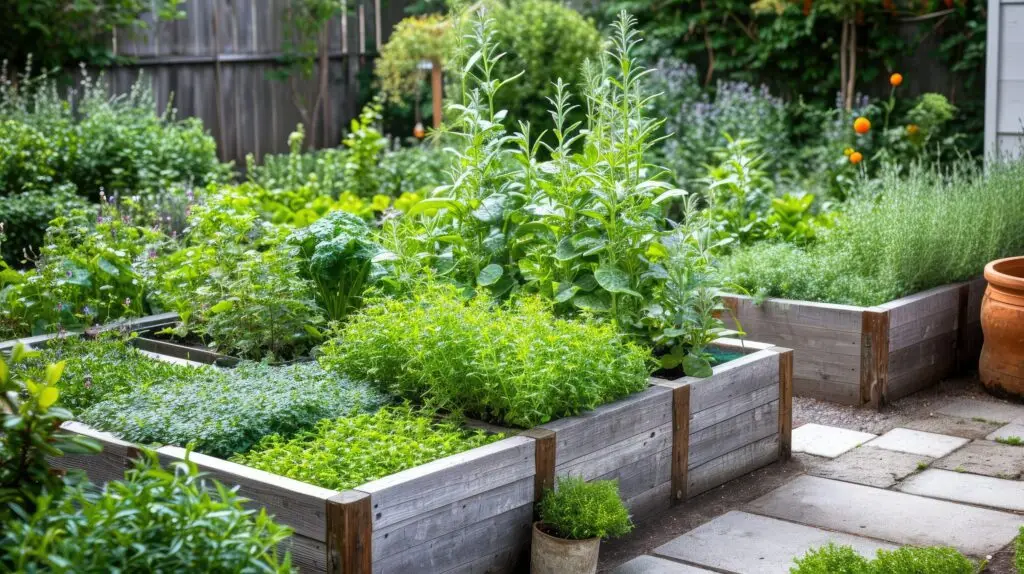
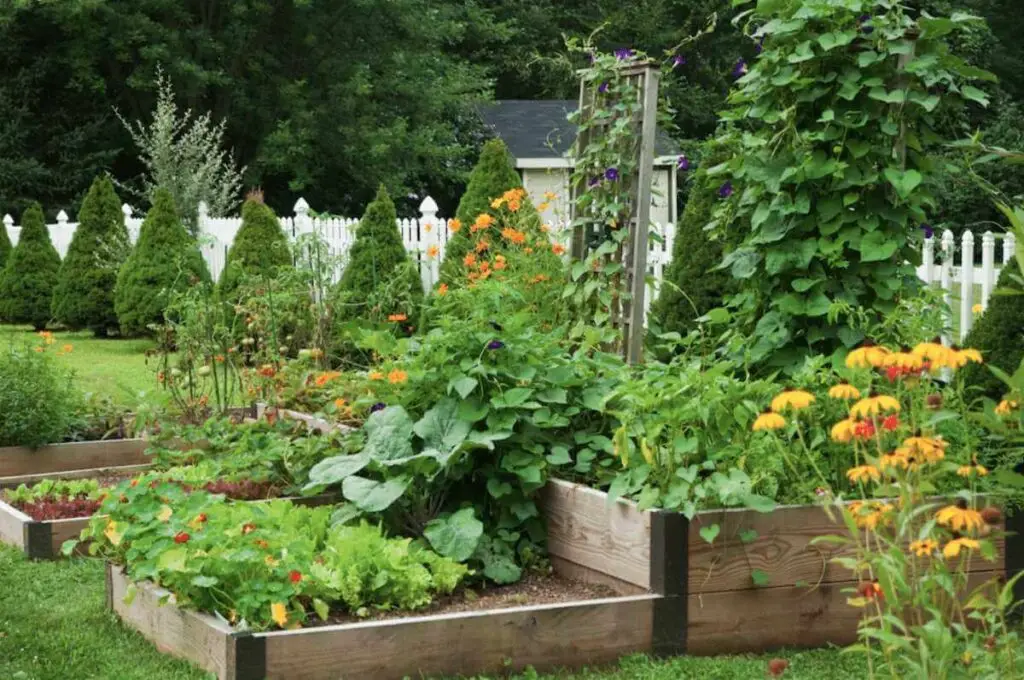
Creating a garden that attracts pollinators is essential for maintaining a healthy ecosystem and ensuring the productivity of your plants, and companion planting is a fantastic way to achieve this! By strategically placing certain plants together, you can create a garden that not only thrives but also supports bees, butterflies, and other beneficial insects. Let’s explore the key aspects of companion planting to attract pollinators.
The Importance of Pollinators
Pollinators like bees and butterflies play a crucial role in the reproduction of flowering plants. They transfer pollen from one flower to another, enabling plants to produce fruits, seeds, and new plants. Without pollinators, many of the foods we enjoy, such as fruits, vegetables, and nuts, would be in short supply.
Benefits of Companion Planting
Companion planting involves growing different plants near each other to help them grow, deter pests, and attract pollinators. This method makes use of the natural relationships between plants and insects to create a balanced, thriving garden.
Great Plants for Attracting Pollinators
- Lavender: Its fragrant flowers are a magnet for bees and butterflies.
- Sunflowers: These tall, bright flowers provide a rich source of nectar.
- Coneflowers: Known for their resilience and attractiveness to pollinators.
- Borage: This herb’s blue star-shaped flowers are particularly appealing to bees.
- Zinnias: With their wide range of colors, they attract a variety of pollinators.
Creating a Pollinator-Friendly Garden
Plant Diverse
One of the best ways to attract pollinators is to have a diverse array of plants that bloom at different times of the year. This ensures that there is always a supply of nectar and pollen available for pollinators. Aim to have at least three different types of plants flowering at any given time during the growing season.
Grow Native Plants
Incorporating native plants into your garden is crucial. Native plants are those that occur naturally in your region and have evolved alongside local pollinators. They are well-adapted to the local climate and soil conditions, making them more resilient and attractive to native pollinators.
Avoid Pesticides
Chemical pesticides can be harmful to pollinators. Even organic pesticides, while less harmful, can still have negative effects. Instead, opt for natural pest control methods such as introducing beneficial insects like ladybugs and lacewings, using insecticidal soaps, or practicing crop rotation and intercropping.
Provide Water
Pollinators need water to drink and to cool themselves. Provide a shallow water source, such as a birdbath with stones for perches, to give them a safe place to hydrate. Change the water frequently to prevent mosquito breeding.
Plant in Clusters
Group the same types of plants together in clusters. This makes it easier for pollinators to find them and increases the likelihood of them staying in your garden longer. Larger groups of flowers are more attractive to pollinators than individual plants scattered throughout the garden.
Companion Planting Combinations to Try
Tomatoes & Basil
Basil helps the growth of tomatoes and attracts pollinators with its flowers. Planting these together can improve tomato flavor and yield.
Cucumbers & Nasturtiums
Nasturtiums repel pests such as aphids and cucumber beetles while attracting pollinators. Their bright, trumpet-shaped flowers are especially attractive to bees.
Carrots & Marigolds
Marigolds deter pests like nematodes and whiteflies, and their flowers attract pollinators. Planting them near carrots can help improve carrot health and yield.
More Tips for a Pollinator-Friendly Garden
- Use Heirloom Varieties: Heirloom plants often produce more nectar and pollen than hybrid varieties, making them more attractive to pollinators.
- Leave Some Weeds: Certain weeds, like dandelions and clover, are valuable sources of nectar and pollen for pollinators. Allow some to grow in your garden to support these beneficial insects.
- Create Habitat: Provide shelter for pollinators by leaving some garden debris, such as dead wood and leaf litter, which can serve as nesting sites for bees and other insects.
- Plant Trees and Shrubs: Trees and shrubs offer additional habitat and food sources for pollinators. Consider planting species like willows, maples, and fruit trees to further support pollinator populations.
Get Ready for Garden Guests!
By integrating companion planting techniques into your garden, you can create a vibrant, pollinator-friendly space that supports the health of your plants and the environment. Embrace the power of nature’s relationships and watch your garden flourish.
Remember, a pollinator-friendly garden is not just about the plants you choose, but also about how you manage your garden. Avoiding pesticides, providing water, and creating diverse planting schemes are all key steps. For more gardening tips and inspiration, check out our latest videos and blogs at Kellogg Garden.