Organic Potting Mix and Organic Raised Bed Soil are both beneficial for providing essential natural nutrients and minerals for enclosed planting areas. Potting Mix is formulated to feed the soil for plants growing in indoor and outdoor containers, while Raised Bed Soil with its slightly larger particle size, has versatile uses for both larger containers and raised bed gardening. Check out the various attributes and differences between Potting Mix and Raised Bed Soil.
What is the Best Soil to Use in Pots?
In this video Bridget Ayers, a backyard gardener in Southern California – Zone 10b, shows us how she layers different organic soils, fertilizers, and amendments as part of her container garden planning process to start her seeds. Whether your garden is big or small, make the most of your space with these tips and watch the full Best Soil for Container Gardening video on the Kellogg Garden Youtube Channel.
Difference Bettween Garden Soil vs Potting Soil
Potting mix is meant to stand alone, as opposed to being mixed in with existing soils. It is a self-contained product designed to provide potted plants with everything they need to grow and thrive. Garden soil is meant to be spread around. Mix garden soil in with your native dirt to improve it.
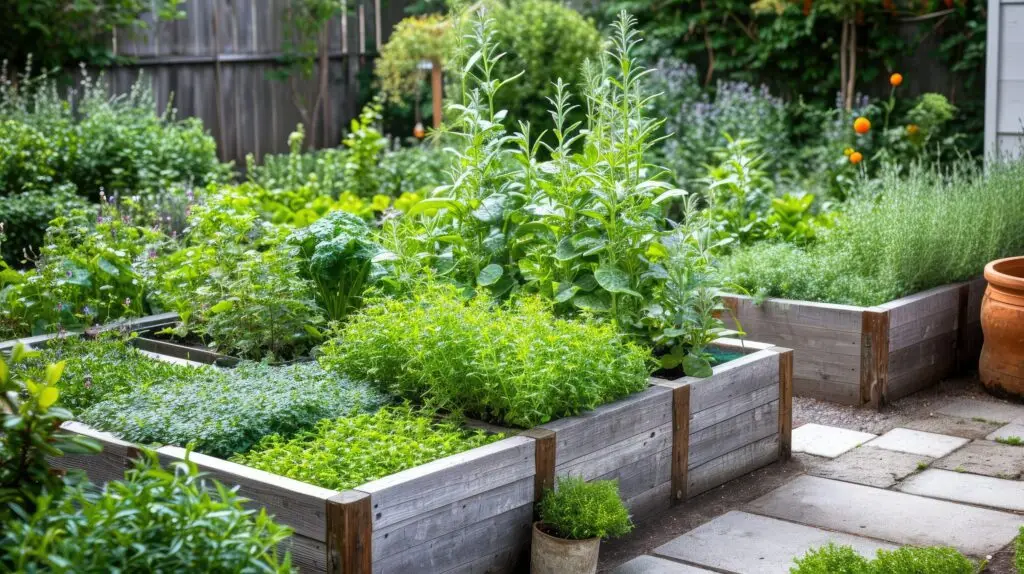
What to Plant in Raised Garden Bed?
Moisture-loving plants that do well in raised garden beds include cardinal flowers, sedges, and monkshood. In a dry spot, try Russian sage, prairie plants (coreopsis, false indigo, big bluestem), Mediterranean herbs (rosemary, lavender), or succulents (including sedums and echeverias).https://www.youtube.com/watch?v=wQ7Ct0HbW3M
Potting Mix Attributes
When you plant in a container or pot, the soil environment is crucial to the plant’s ability to thrive. Potting Mix provides everything that a plant needs to grow in this isolated environment – moisture retention and nutrients.
Potting Mix Soil Composition and pH
Potting Mix contains the perfect texture of soil to maintain plant life in a pot or container. Its soil is well-balanced for proper moisture retention and drainage, which helps with effective air penetration through the plant root mass. Potting Mixes also provides plants with a balanced pH level to ensure plants thrive throughout the growing season.
Nutrients in Potting Mix
Organic Potting Mixes give your potted plants the nutrients it needs to grow, providing both short term and long term nutrient breakdown that continue to feed your plants for weeks at a time.Kellogg Garden OrganicsAll Natural Potting Mix
**Product not available in AZ, CA, HI, NV, UT. For a comparable product in these states click here.
How to Use Potting Mix
- Cover the base of the pot or container with potting mix and press down firmly.
- Following directions on the bag, mix in the correct amount of organic granular fertilizer
- Loosen up the soil around plant roots with your fingers and place the top of the root ball approximately two inches from the rim of the container.
- Fill the remainder of the pot or container with potting mix and press down firmly to secure the plant.
- Water in well, adding a liquid fertilizer every 2-3 weeks.
Attributes of Raised Bed Soil
Raised Bed Soil provides the quintessential soil recipe for raised bed gardening and has significant benefits to gardeners and the plants that they grow. Like potting mixes, Raised Bed Garden Soil is cultivated to be used on its own in a raised bed that sits on the soil or is wholly enclosed in a container. Its use provides the perfect opportunity to establish the most favorable environment for your plants. It can be used for both raised beds and large container gardens.
Raised Bed Soil Nutrients
Raised Bed Soil is the optimal choice for filling your raised garden beds, as it is bolstered with a hardy amount of organic nutrients such as poultry meal, kelp meal and worm castings that will help feed the soil your plants will grow in. Don’t get complacent though!
All organic gardens, including raised bed gardens, require additional organic fertilizer through the growing season. Edibles, many of which are grown in raised beds, are heavy feeders and need nutrient replenishment with an organic granular fertilizer every 5-6 weeks. And like potting mixes, supplementing with an organic liquid fertilizer like Fish & Kelp every 2-3 weeks will yield the best results.
What is the pH of Raised Bed Soil?
A common question is, what is the pH of Raised Bed Soil? Raised Bed Soil takes the guesswork out of determining the soil quality because it is already pH balanced to be between 5.8 and 7.5, which is optimal for growing vegetables in a raised bed garden or flowers.
Well-Draining Raised Bed Soil
Raised Bed Soil is like a balance between garden soil and potting mix. It has the exceptional drainage necessary for container and raised bed gardening and it assists gardeners in maintaining loose soil which provides adequate airflow for necessary oxygen and nutrient delivery to root systems.
Is Raised Bed Soil Ready to Use?
Many ask, is raised bed soil ready to use? Since it is already formulated to be used right out of the bag, gardeners don’t have to contend with adding soil amendments to get a raised garden started. However, many gardeners use Raised Bed Soil as the base mix and add their own compost and other soil amendments to create their own “recipe!” That’s part of the fun with gardening!
Adding Raised Bed Soil to Existing Soil
Ever wonder why the soil in your raised bed seems to “shrink” each season? Beneficial soil microbes consume the soil through the year which helps create plant-available nutrients your plants need to thrive. At the start of each season, spread a layer of Raised Bed Soil within 3-4 inches of the top of your raised bed. Then, mix it with the existing soil to a depth of four to six inches. Now is a good time to mix in that organic granular fertilizer!
Using Raised Bed Soil in Containers and Raised Beds
When using raised bed soil in containers and raised beds simply fill the raised bed or container with Raised Bed Soil to 3-4 inches below the top.
Using Raised Bed Soil in Containers
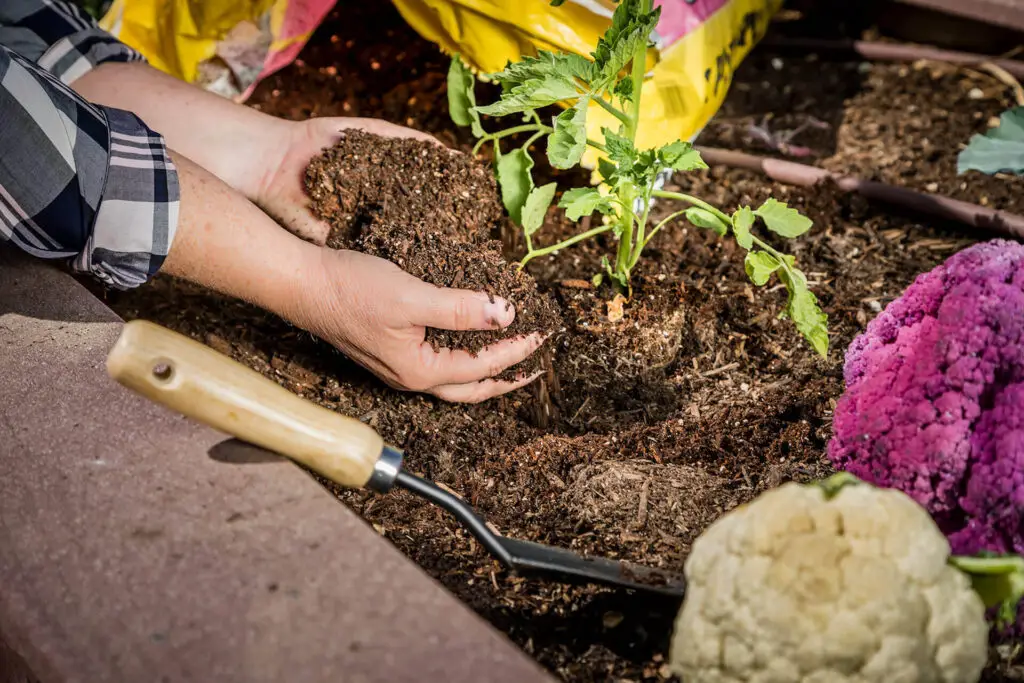
- Cover the base of the pot or container with Raised Bed Soil and press down firmly.
- Following directions on the package, add an organic granular fertilizer.
- Loosen up the plant roots with your fingers and place the top of the root ball approximately two- inches from the rim of the container.
- Fill the remainder of the pot or container with Raised Bed Soil and press down firmly to secure the plant.
- Water in well, adding a liquid fertilizer every 2-3 weeks.
Using Raised Bed Soil in Raised Beds
- Add the Raised Bed Soil to the raised bed.
- Following directions on the package, add an organic granular fertilizer to each hole where you are going to place a plant.
- Loosen up the plant roots and place the plant into the soil mix so that the root ball is slightly above ground level.
- Water in well, adding a liquid fertilizer every 2-3 weeks.
Get all the soil you need from Kellogg Organic Soil, find a store near you today!