Plants are only as healthy as the soil that they are cultivated in. Many problems that we run into in the garden are directly related to the soil where we grow our plants. This includes things like blossom rot, low growth, pest and disease susceptibility, and the premature demise of once healthy plants. These issues make proper soil amendments very important.
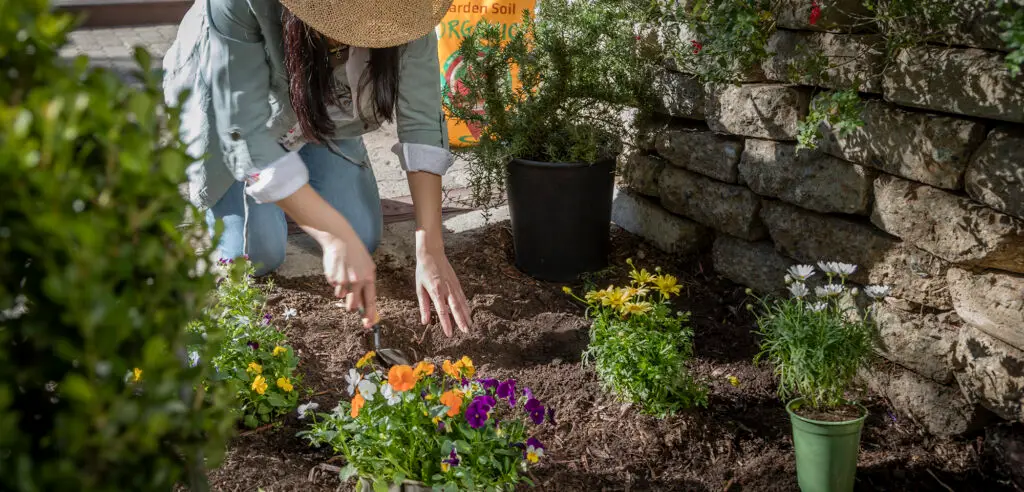
While most of us are not naturally blessed with optimal soil in our backyards, there are ways to enrich your soil and add balance to your garden beds. Adding soil amendments to your existing soil can boost the health and productivity of your plants exponentially. Check out our gardener’s guide to soil amendments that can help you on your way to a healthier garden and a more bountiful harvest.
How Do You Know What Soil Amendments Your Garden Needs?
Even the best soil mix will need to be replenished with nutrients and amended occasionally. The cultivation of heavy feeding plants, reusing the same soil repeatedly, and eventual soil compaction leads to soils that need to be reenergized. What exactly does your soil need?
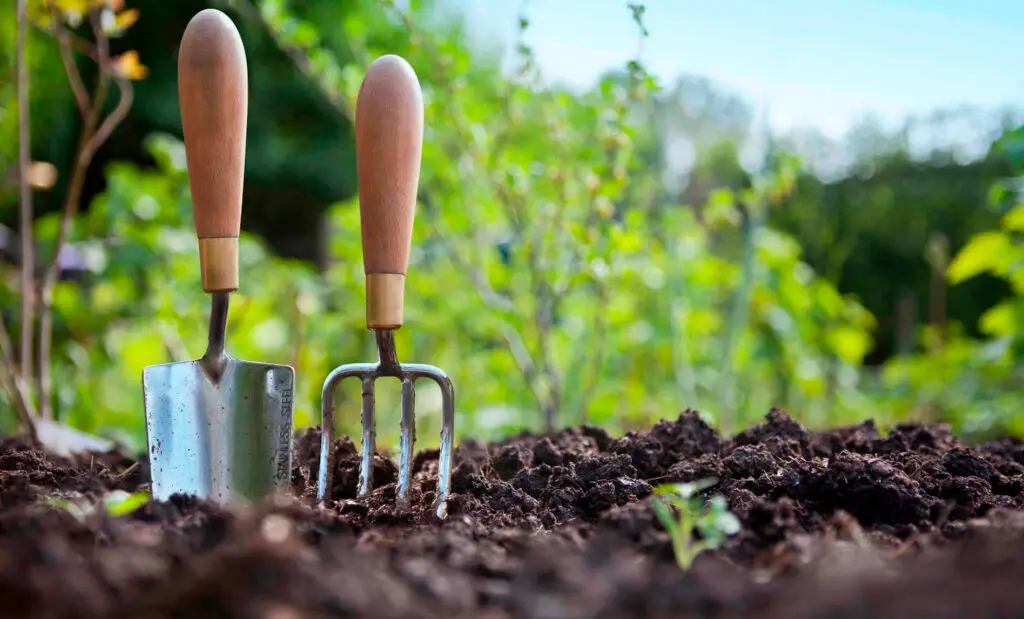
Take the guesswork out of your soil concerns and have your soil tested. Obtain a sample of your soil and take it to your local extension office or nursery for analysis. This is a great starting point for understanding your native soil and gaining insights from the experts about your type of soil, how to improve it, and what nutrients are insufficient. Have a soil test performed on your soil regularly to assess and amend the soil for optimum health.
Organic Soil Amendments
Soil amendments that contain organic matter are the decomposed remnants of plants and animals. The organic matter in soil amendments embeds itself in between soil crevices so that soil stays moist for longer durations. Plant roots then have sufficient opportunities to soak up water into their root systems before it drains away. It also helps by binding to existing soil particles to create fluffy, rich soil that does not pool water.
Compost
Compost is the ultimate well-rounded soil amendment that you can add to your garden beds. You can create an ongoing compost pile in your yard, buy from nurseries and garden centers in specially formulated bags, and from landscape supply companies. Some towns even have compost from collected yard waste that you can retrieve readily.
Worm Castings
Simply put, worm castings are worm excrement. It doesn’t sound as appealing as it is beneficial to garden beds. Just like compost, worm castings are pinnacles in the area of adding beneficial microbes into the soil. They quickly infuse nitrogen into the soil and add good bacteria and nutrients to the garden.
Shredded Leaves, Bark, Grass Clippings & Wood Shavings
Shredded leaves, broken-down forest materials, and mulched grass clippings can significantly improve soil structure. Leaf particles, barks, and grasses break up dense, compacted particles, making way for oxygen, water, and nutrients. They help create space between dense particles, such as those found in heavy clay soil.
Poultry Manure & Bedding
Adding well-decomposed poultry manure and chicken coop bedding to your garden adds organic matter and nutrients that feed your soil and help break up dense soil. If you have a backyard flock, you can see that chickens relieve themselves in and continually turn their bedding as they scratch around searching for food and seeking out dust baths. If they free range, you will likely see them working their way through your compost pile, churning it as they pick through it. All of these make tremendous soil amendments.
Wood Ash
The remnants of burnt wood in the form of wood ash can help raise soil alkalinity and provide beneficial potassium, calcium, and some nitrogen to garden soil.
Other Natural Soil Amendments
The following soil amendments aerate the soil, creating a well-draining soil that combats soil compaction and promotes healthy root development.
Pumice
Pumice is an amendment that can significantly improve soil structure, counteracting soil compaction and guiding moisture and nutrients to roots. Pumice is a natural volcanic rock substrate that works to loosen heavy claylike soil, enhances drainage, and helps add beneficial microbes to the soil. A bit heavier than the amendment of perlite, pumice stays mixed in the soil better and never decomposes. It is also a naturally occurring substance that is eco-friendly.
Perlite
Perlite is an airy soil additive that improves soil drainage, aeration, and combats soil compaction just as pumice does. It is a porous material that holds onto nutrients and soil but allows excess to drain away from root systems. This allows oxygen to circulate plant root systems, counteracting wet feet and root rot. Unlike pumice, its lightweight consistency causes perlite it rise to the soil surface, causing it to erode from the soil. It is also more processed of a material with a larger carbon footprint than pumice and can be a bit dusty to use.
Sand
Sand can be added to your existing soil to boost drainage. Be sure to use coarse grit sand for the best results. Fine sands can retain too much water and might not drain as well.
Gardener’s Guide to Soil Amendments
Even the most deficient soils can be improved to yield healthy plants with bountiful harvests. Adding beneficial soil amendments can help improve soil structure and enhance plant growth and health. The best advice in the gardener’s guide to soil amendments is that it is vital to test your soil to evaluate which soil amendments will enhance your garden beds’ fertility and soil structure so you can amend accordingly.