Companion Planting Is A Popular Term In Gardening, But What Does It Actually Mean?
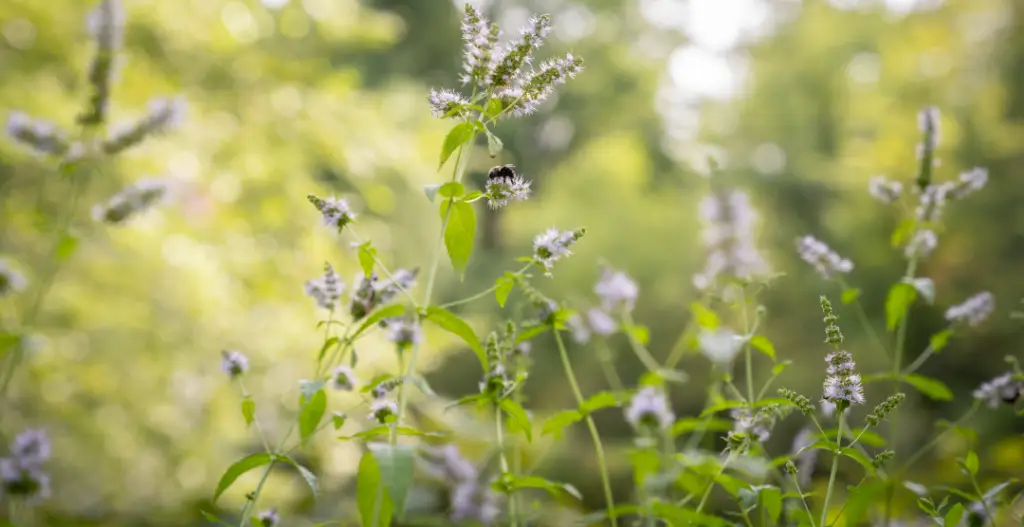
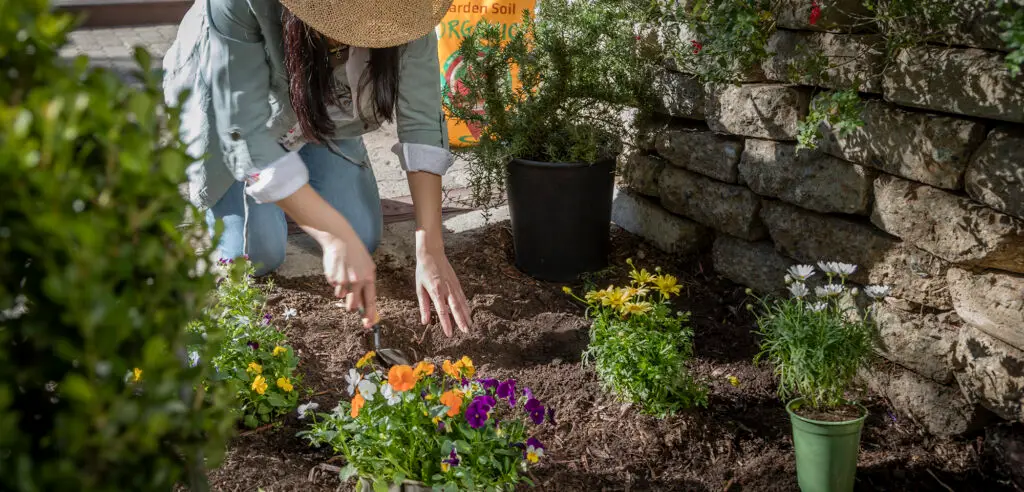
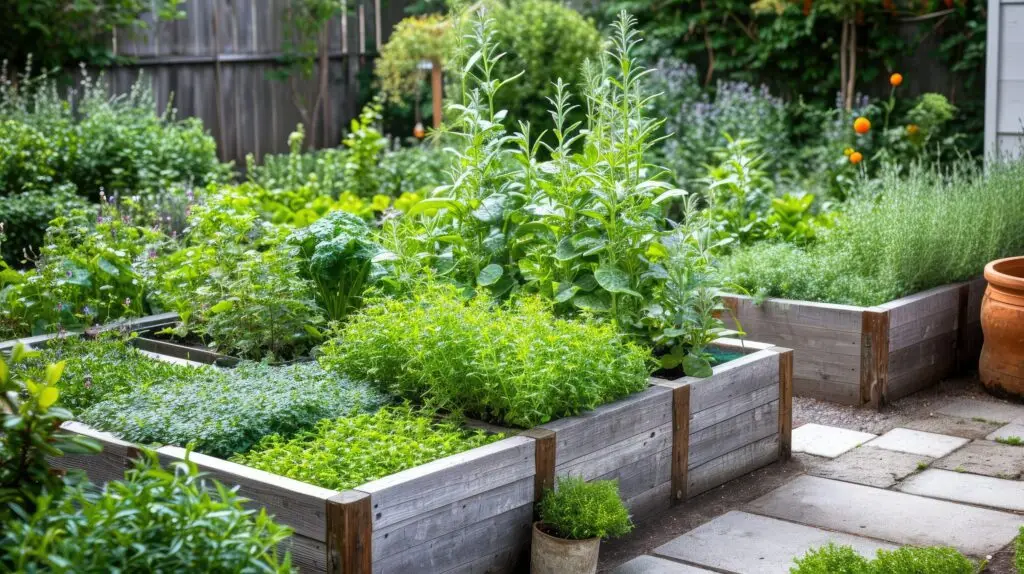
Companion planting in its simplest form means planting different plants in close proximity that enhance each other’s growth and/or act as natural protection for one another. When planned out, gardens with thoughtful companion plantings often yield better, stronger, more fruitful crops with the need for less human intervention when it comes to keeping pests at bay.
Plants That Will Not Thrive with Onions
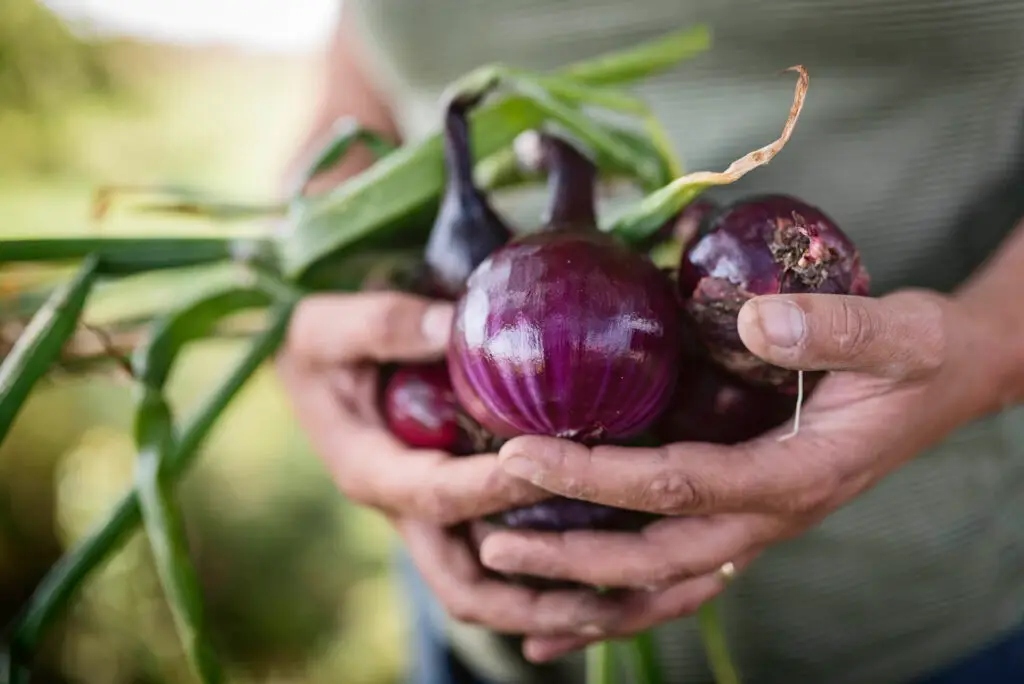
As a natural pest deterrent, onions have a fairly long list of good companion plants. In fact, it may be better to first consider those plants that will not thrive near onions, or in the reverse, will impact an onion’s success. Overall, onions are very good neighbors, however other onion plants such as leeks, garlic and shallots can attract onion maggots.
Onion maggots travel easily from plant to plant, so planting these like species in near proximity can give these pesky pests a multi-lane highway throughout your onion patch. Additionally, most varieties of peas and beans can be harmful when planted in close proximity to onions. Lastly, it is wise to avoid sage and asparagus for the same reasons.
Cabbage Family Companion Plants
Beyond those listed above, onions actually are very good hosts to several other garden species. Starting with the very best options for onion companion plants are the many options available in the cabbage family. Some of the most popular and versatile cabbage family members are:
- Kale
- Brussels Sprouts
- Broccoli
- Cabbage
Each of these options, or all of them, are perfect companions for onions. Similar to onions, these vegetables prefer being rotated each year. Plants in the cabbage family do their best work in similar soil conditions as onions. Most cruciferous plants prefer sunny garden spots with well-drained soil, just like onions. They also benefit from a quality organic nitrogen rich fertilizer.
Additionally, because onions are so wonderful at acting as natural pest repellents, they serve as guardians for those is the cabbage family, which are often susceptible to pests like cabbage worms, loopers and cabbage maggots.
Companion Plants to Deter Garden Pests
Other good neighbor options for onions include: tomatoes, lettuces, strawberries (strange but true! And no, it will not make your strawberries taste like onions or vice versa!), peppers, parsnip and spinach. Because onions naturally deter pests like aphids, beetles and even rabbits, they offer organic protection to those listed above.
If you begin to notice these visible above ground pests, consider spraying your plants with a natural and organic pest repellent. These can be found at almost any garden supply store, but they are also easy to make in your own kitchen.
Spraying your plants with a homemade mixture of emulsified garlic, onion and water can drastically reduce the invasion of many garden pests. Others are faithful to a simple combination of two tablespoons of hot pepper flakes steeped in one cup of water in a spray bottle.
Whatever method of pest repellent you subscribe to, always approach your applications with the mantra “less is more” as you can easily burn (similar to a chemical burn) your plants, especially the more delicate leaf plants.
Herb Companion Plants
Another consideration for excellent onion partnerships are herbs. Adding herbs to any garden elevates neighboring plants. When it comes to onions, the list of herbs that play nicely next door is certainly more extensive than those that don’t. While sage was already listed previously, chives are also not advised near onions.
Chives are close relatives of the onion/garlic family and for the same reasons other members of the family aren’t good neighbors, chives fall into that category as well.
That said, there are many popular and easy to grow herbs that thrive with onions.
- Dill
- Savory
- Parsley
- Chamomile
(yes, those delicate, sweet chamomile flowers love living with onions!) are all excellent choices for your onion beds.)
Companion Planting & Garden Lessons
At the end of the day, gardening is an ongoing experiment. While one year we will master soil composition and companion plantings, the next year we have an unusually wet or dry year in which even our best efforts are thwarted by Mother Nature. The lessons we take away from the more challenging years help us apply better practices year after year.
Changing companions/planting layouts each year often yields positive results. As a general rule, the vast majority of what you plant in your garden is happy to move around from year to year. This opens up a world of opportunity for trying different planting combinations as you and your garden mature together.Kellogg Garden OrganicsAll Natural Garden Soil
**Product not available in AZ, CA, HI, NV, UT. For a comparable product in these states click here.