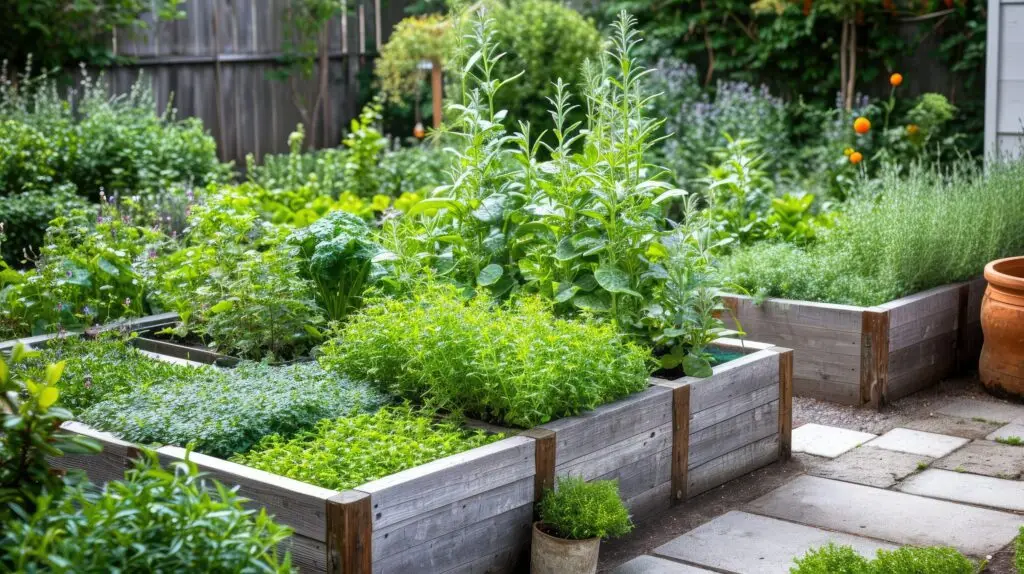
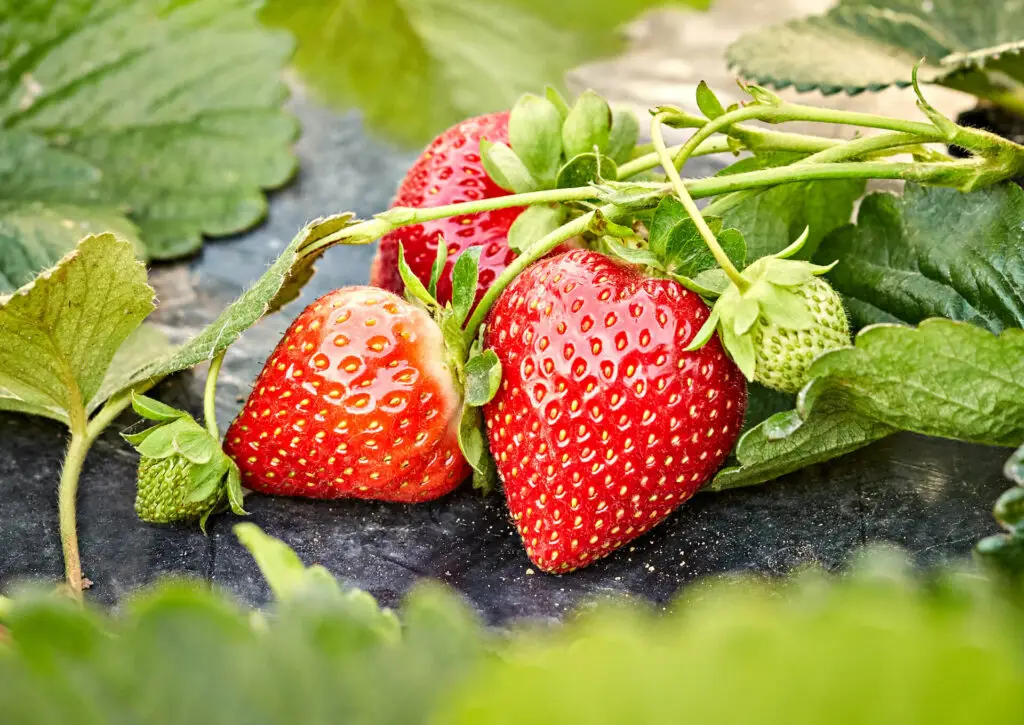
Companion planting means placing different species of plants near one another in a garden bed for mutually beneficial reasons. Companion planting can enhance the attractiveness of your garden design, fight common pests, attract beneficial insects, and amplify the overall flavor of your strawberry plants.
Figuring out what works well together and learning about the ways that individual plants can bolster each other can significantly improve productivity in your garden. When it comes to the sweet plump, succulent fruit of strawberry plants, garden pests are just as enamored with them as humans are. Luckily, there are lots of plants that repel these parasitic insects and also attract beneficial ones to the garden bed.Interplanting vegetables with strawberries can also conceal succulent berries from birds and other garden pests. Many plants can also produce profound scents that can mask the fragrance of strawberries, which also protects them. Vegetables and herbs are excellent at attracting beneficial insects that will prey on destructive insects.
Strawberries can also help other plants through companion planting. The low-lying spread of strawberry plants makes them an optimal as a ground cover to control weeds around plants like rhubarb, asparagus, and horseradish.
Best Strawberry Companion Plants
Here is a robust list of plants that will offer some pest protection for your strawberry plants and help you grow a hardy bumper crop of strawberries. Plant these garden friends alongside strawberry plants and enjoy the extraordinary benefits of companion planting.
Asparagus
Asparagus and strawberries are natural interplanting partners in the garden bed. They spread their roots on alternate planes of the soil, and they both emerge from the ground soon after the last frost. These two garden mates use the soil effectively without competing with one another and contributes to nutrient return.
Bush Beans
Bush beans work well to repel garden beetles and other pests that feed on strawberry plants. Beans also release beneficial nitrogen back into the soil as they grow, which feeds nearby strawberries and boosts their fruit production.Kellogg Garden OrganicsAll Natural Garden Soil for Flowers & Vegetables
**Product not available in AZ, CA, HI, NV, UT. For a comparable product in these states click here.
Borage
Borage is an herb that works double duty for strawberries in the garden bed. Not only does borage repel damaging insects, but it also attracts beneficial insects and pollinators to the strawberry patch.
Caraway
Caraway attracts insects that feed on pests that can cause significant damage to strawberries. Such insects included parasitic flies and wasps that will protect strawberries from fruit seeking pests like aphids and mites.
Catnip
Catnip deters damaging insects such as aphids and mites from destroying the leaves of strawberry plants. Strawberry plants are particularly prone to attracting both of these garden pests.
Chives
Chives are an herb that does double the work of most companion plants. Not only can growing chives close to your strawberries improve their flavor, but they also shield your plump red berries from unwanted destructive pests.
Yarrow
Yarrow attracts beneficial pollinators to your garden, which can boost the yield of your strawberries.
Onions
These pungent vegetables make great strawberry companion plants. Their unappealing odor is a natural deterrent of many garden pests that feed on the leaves and fruits of the strawberry plant.
Sage
Sage is another one of those herbs that emit a strong odor and has also been successful in masking the sweet scent of your strawberries in the garden, making it more difficult for destructive pests to find your berries plants.
Spinach
Not only do spinach and strawberries make an excellent combination in the salad bowl, but they are also super compatible in the garden. Spinach contains saponins, which act as a natural repellent of destructive garden pests.
Thyme
Thyme is a scented herb that repels certain varieties of parasitic worms that seek to destroy strawberry plants.
Plants to Avoid in your Strawberry Patch
Unfortunately, some plants are not meant to be interplanted and can cause the demise of your strawberries if they are used as companions. In this case, strawberry plants are prone to a disease called verticillium. Plants like tomatoes, eggplant, potatoes, melons, peppers, roses, mint, and okra may actually contribute to this deadly disease in strawberry plants. It is essential to note that strawberries should not even be planted in beds that have recently housed those plants on this list.
Strawberries are also not the best companions for plants that are in the cabbage family. Not only aren’t they good neighbors, but they are destructive neighbors, as they hamper the growth of cabbage family members. Common cabbage groupings include collard greens, kale cauliflower, kohlrabi, bok choy, and brussel sprouts.
The more you know about which plants compliment each other the better your garden can be! Take advantage of companion plants and get started with Kellogg Organic Products today!