Crowns of bright green broccoli can be grown right in your backyard garden. Broccoli is a cool-weather crop that grows best in the early spring, through the fall and even into the winter months in some climates. While it can be grown in the summer months, if the temperatures are too hot, broccoli tends to bolt quickly.
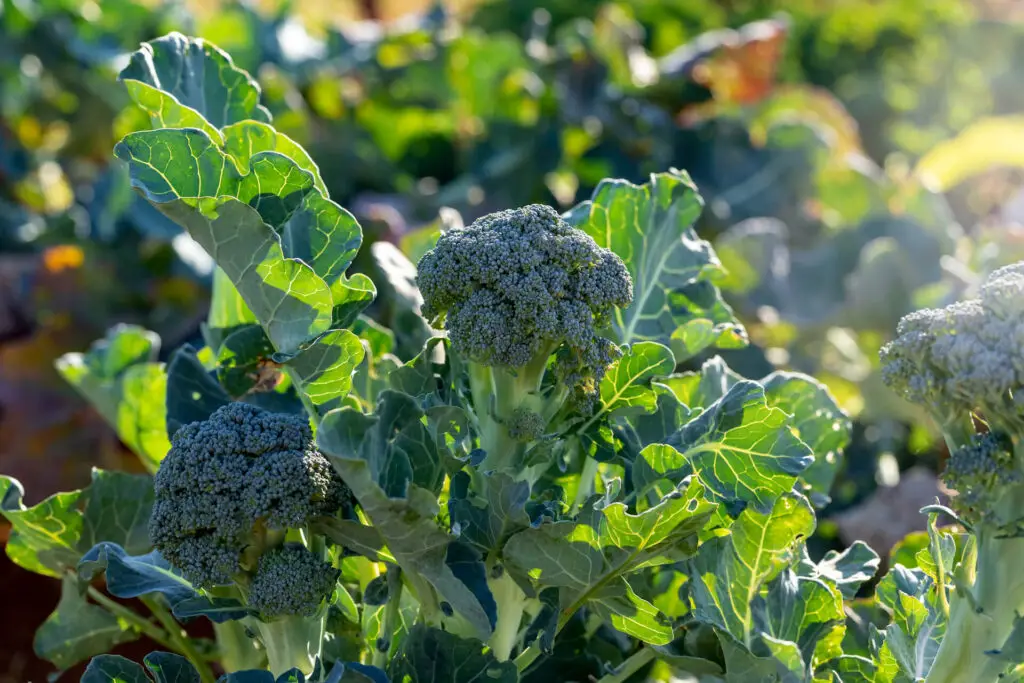
Growing broccoli is beneficial for your garden and body as is known to be a superfood, in that it is rich with vitamin C, antioxidants, fiber, calcium, folate, and aids the body in iron absorption. The plant grows 18 to 36 inches tall and has wide, green leaves and a generous main stalk. Broccoli forms flower heads of small blue-green flower buds. These flower buds are what will be harvested before they bloom into delicate yellow flowers.
Broccoli is a beneficial addition to any vegetable garden but growing broccoli can be somewhat tricky unless you know what works best for them and what to watch out for. Enjoy our robust list of tips and tricks for growing broccoli to ensure it’s crisp and delicious from seed to harvest.
Soil Composition for Growing Broccoli
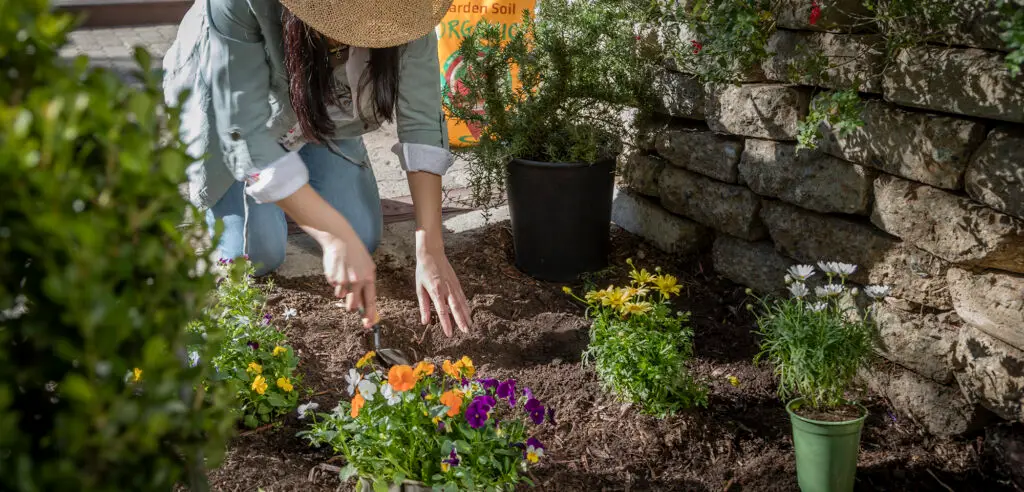
Amend your garden soil with rich organic materials and well-decomposed compost. Broccoli grows optimally in nutrient-rich, well-draining soil with a pH range of about 6.0 to 6.8. Mulch your garden focussing around the plants to help regulate temperature and moisture levels
Where to Grow Broccoli
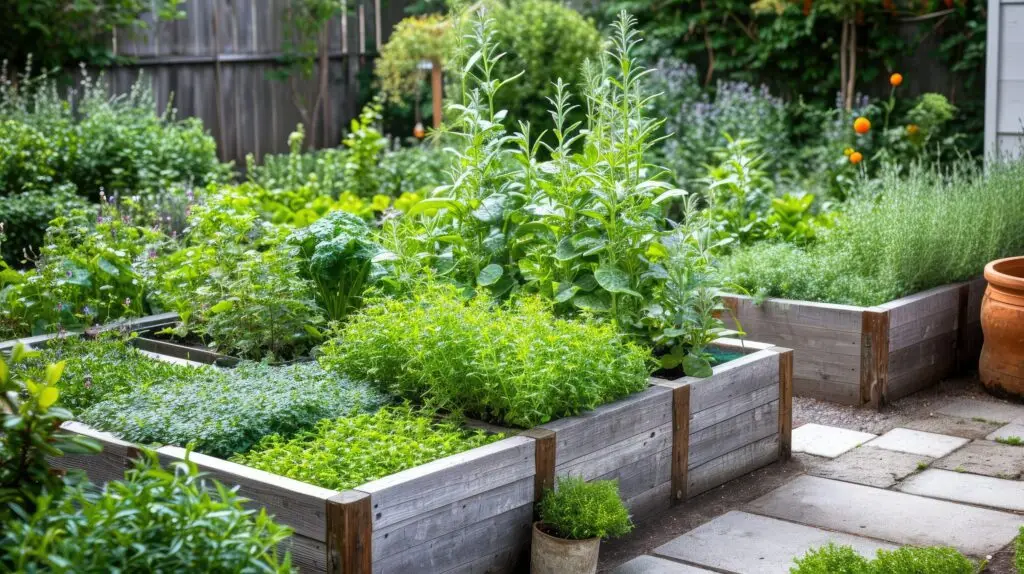
Broccoli can be grown in raised beds, containers or in-ground in a backyard garden. It is paramount that the broccoli plant’s roots stay cool, which will make for a happy plant with successful growth.
Starting Broccoli from Seed v.s. Sowing in the Garden
Broccoli seeds can be started indoors in pots or have their seeds sown directly into the ground. Combining the practice of both methods will allow for succession planting and can ensure the successive harvest of these vitamin-rich garden gems.
- Plant broccoli seeds indoors approximately six weeks before the final frost of spring to ensure an early summer harvest.
- Plant broccoli seeds directly in the garden bed in mid to late summer to grow a fall or early winter crop.
- If you are lucky enough to live in a mild winters zone, you can also plant in the fall for a winter harvest.
- When it comes time to transplant seedlings into the garden, do so when they are six weeks along in the growing process and have four or five leaves. Harden the seedlings outside for a few days to get them acclimated and then plant them in the ground using the spacing guidelines below. If your seedlings are leggy, plant the seedlings so that the stem of the plant is buried just below the lowest leaves to help the plant’s stability.
Broccoli Companions
What are some things I can plant with Broccoli? Since Broccoli is such a calcium dependent plant, planting Broccoli with other plants that do not need as much is ideal. Broccoli also enjoy plants that take up little room and enjoy shade.
Some things that are good to plant with Broccoli are:
Kellogg Garden OrganicsAll Natural Raised Bed & Potting Mix
**Product not available in AZ, CA, HI, NV, UT. For a comparable product in these states click here.
Spacing Broccoli Plants
Plant transplanted seedlings approximately 18 to 24 inches apart from each other in rows that are spaced 24 to 36 inches apart. If sowing seeds directly, plant the seeds ½ inch deep and four inches apart.
Broccoli can make an excellent succession crop that will keep providing nutrient-rich vegetables all year long. Consider planting seeds directly into the garden concurrently in a bed next to your transplanted seedlings or try planting different varieties with varying maturation dates.
Temperature
Broccoli should be planted when temperatures are a minimum of 40 degrees Fahrenheit, although many varieties can withstand temperatures that drop a little lower from time to time. The average daily temperature when growing broccoli should be no higher than 75 degrees Fahrenheit.
Watering Broccoli
Water regularly, ideally watering from the base of the plant. If broccoli plants receive too much water on the flowering heads, it can cause mold to form on the florets. Consider watering via a soaker hose watering system. As the plant starts to reach maturity, water less frequently.
Nutrients
Broccoli plants are heavy feeders of nitrogen, and they require a side-dressing of fertilizer that is rich in nitrogen for optimal growth. The addition of well-decomposed compost, fish meal, blood meal, or bat guano will keep plants growing strong.
Harvesting Broccoli
Knowing when to start harvesting broccoli is key to the success of your crop, and it can be a bit tricky if you don’t know what to look for. Harvest broccoli when the crowns are large, green, and very firm. If you see the edges of the head loosening up a bit or yellowing, it’s pertinent to harvest it immediately. The best time to pick is when the flower is tight and firm to the touch.
If you let the broccoli stay on the plant at all past its prime time for picking, the head will start to bloom. Don’t fret too much if this happens. Although the taste won’t be optimal, you can still consume the produce, but it will not be suitable for storage or freezing, and it should be used right away.
To remove the broccoli from the stalk, either snap off the stalk about 5 inches down from the last buds of the crown or use a sharp knife to cut the broccoli crown from the plant. Remove the main head of buds and leave the remainder of the plant, as small shoots may still continue to form for later daily picking and consumption.
Recommended Broccoli Varieties
- ‘Blue Wind‘ is an early variety of broccoli that matures in a mere 45 days.
- ‘Belstar‘ matures in 66 days and produces large dark green crowns.
- ‘Imperial‘ matures in 77 days and has the benefit of extra heat resistance, which can help the plant not to bolt.
- ‘Marathon‘ has a maturation date of 68 days. Its dense floret is best when grown in the coldest months of the year. This variety is not heat tolerant.