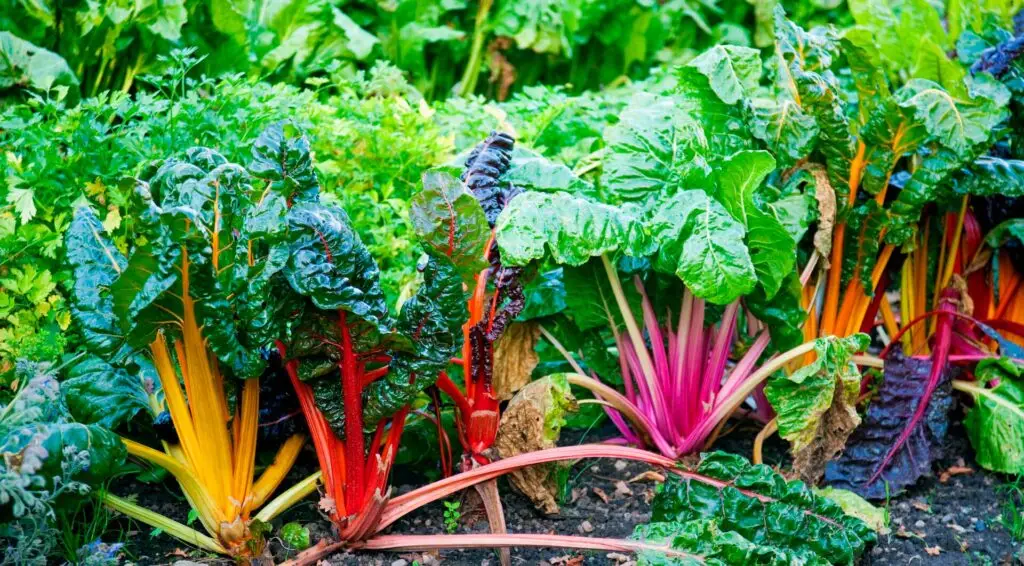
Swiss chard is a leafy green vegetable with bright color variegations in its stems and leaves. Growing Swiss chard is easy as it produces abundant harvests of edible leaves and stems that are less bitter than some other leafy veggies. While it is often categorized as a leafy green vegetable like kale, spinach, and lettuce varieties; Swiss chard is actually a member of the beet family.
Rich in potassium, calcium, magnesium, and other essential vitamins, this vegetable is a high performer from the garden bed to the kitchen table. Check out our tips for growing Swiss chard, planting, and care tips so that you too can reap the rewards of this superfood crop.
Soil Preparation for Growing Swiss Chard
This nutrient-rich crop thrives in soil that is loamy and rich in organic matter. Adding well-decomposed compost, worm castings, and other organic soil amendments can improve the soil making growing Swiss chard much more successful.
Swiss chard thrives in slightly acidic soil that measures between 6.0 and 7.0 on the pH scale. If you are unsure of your soil’s pH, you can obtain a soil test kit from your local garden center or bring a soil sample to your local extension office to have it tested. Amend accordingly.
Ideal Light and Temperature for Swiss Chard Plants
Before planting, choose a spot in the garden that receives a minimum of six hours of sunlight per day. Swiss chard does best in full sun conditions where it gets partial shade for part of the day.
Chard should be planted outside after all danger of frost has passed. This cool-season crop can be planted when soil temperatures reach 40 to 50 degrees Fahrenheit, but seeds germinate optimally when temperatures range anywhere between 55 and 80 degrees Fahrenheit. When the temperature rises higher than that, germination can be impeded.
Swiss chard makes a great crop for early spring and late fall, and if allotted some winter protection via row covers, hoop houses, and cold frames, they also make an excellent winter crop.
Sowing Seeds vs. Buying Swiss Chard Plants
Swiss chard can be sown indoors, directly sown into the garden bed, or purchased at your local nursery or garden center and transplanted into your garden beds.
- Swiss chard seeds can be started indoors four to six weeks before the last frost date in your area or seeds can be sown directly into the garden bed after the danger of frost has passed.
- Seeds should be planted at a depth of ½ inch.
- Transplants provide an opportunity for an earlier harvest.
- When transplanting, make sure that your seedlings have four to six true leaves and identifiable root systems before transferring them to the garden bed.
Swiss Chard Plant Spacing
When transplanting your homegrown or purchased seedlings into the garden bed, allow two to six inches between plants—plant Swiss chard in rows that are approximately 18 inches apart.
Water & Nutrient Requirements for Growing Swiss Chard
Water plants regularly to keep them hydrated and to keep Swiss chard from bolting. Adding organic mulch to your garden beds can help regulate soil temperature while also maintaining adequate moisture levels for these moisture-loving plants.
Growing Swiss chard is possible without added fertilizer when the soil is amended with organic matter before planting. If, however, your soil is less than optimal, Swiss chard plants can benefit from a slow-release fertilizer application upon planting. This will improve the overall flavor of the plant.
Swiss Chard Garden Pests and Disease
Use companion planting strategies and organic methods to control common pests and keep your leafy vegetables from becoming holy.
- Aphids – Plant nasturtium flowers nearby to lure away aphids and use a quick spray of a garden hose to knock destructive aphids off of plant leaves. Be sure to spray the undersides of leaves as well, where aphids often lurk.
- Leaf Miners – Choke out Leaf Miners by squeezing affected leaves with your fingers and removing leaves with their signature wavy tracks.
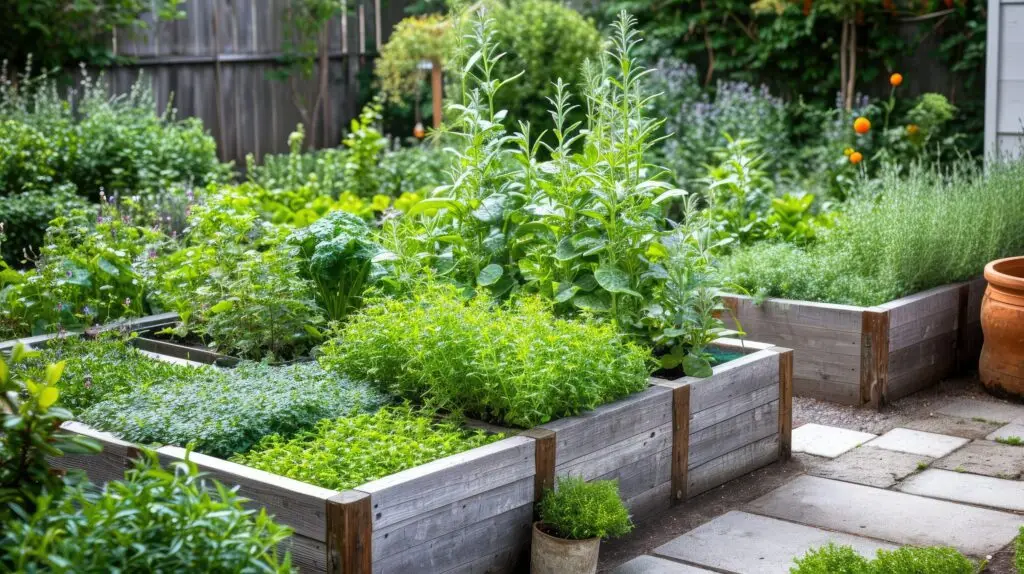
- Slugs– Plant Swiss chard in raised beds to keep common ground pests like slugs off your leafy vegetables. Set out beer traps to trap and drown out pesky slugs.
Harvesting A Swiss Chard Garden
Harvest Swiss chard frequently using the cut and come again method.
- Pinch off or cut the outermost, more established leaves from the base as you need them once Swiss chard plants reach an appropriate size.
- Pick from several plants at one time which will encourage more centralized leaves to mature for subsequent harvests.
- To extend your season and protect plants from frost, especially during fall and winter harvests, cover plants with row covers or cold frames.
Recommended Swiss Chard Plant Varieties
Swiss chard can be as beautiful as they are flavorful and healthy. Try some of these excellent varieties of Swiss chard and enjoy a plentiful harvest of nutrient-rich greens.
- ‘Flamingo’ produces pink to reddish leaves with red veins.
- ‘Peppermint’ produces pink and white stripy stems with deep green billowing leaves.
- ‘Neon Lights Blend’ produces showy bright shoots of yellow, pink, red, and orange stems with green leaves.
- ‘Green Lucullus’ produces bright green leaves with contrasting white stems.