Sometimes when you walk through the garden, you’ll spot a disease on your plants that is difficult to recognize. Not so with powdery mildew, one of the most easily identifiable garden diseases out there. Which is good, because the minute you spot it, you can jump into action. But what is it, what causes it, and how can you treat it?
Powdery Mildew Tips
What is Powdery Mildew?
It’s a fungal disease that grows on the surface of a plant, but never infiltrates the plant tissue itself.
What Does Powdery Mildew Look Like?
Super nasty. Okay, more specifically, it looks like splotches of white to gray talcum-powder like growth. It can infect all parts of a plant including the bottom sides of leaves, buds, and tender new stems, but is most commonly observed on the tops of leaves. Infected leaves can become distorted and fall off, and infected buds can fail to open up.
What Plants Can Get Powdery Mildew?
Nearly any kind of plant can get powdery mildew, including grasses, vegetables, flowers, weeds, shrubs, fruit trees, and broad-leafed trees. There are several different types, and each one is host-specific — meaning one type of powdery mildew favors a particular plant and will not affect another plant.
What Conditions Cause Powdery Mildew?
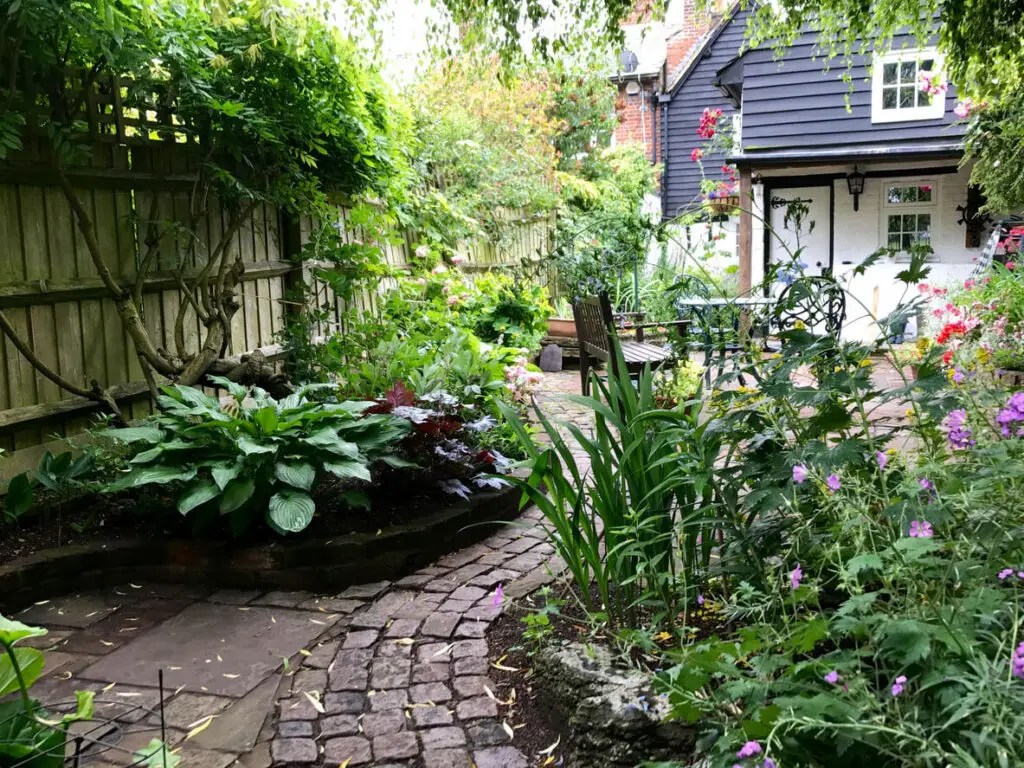
Powdery mildew tends to be the most severe in hot, dry climates with relatively high humidity. It’s common in crowded plantings with poor air circulation and in damp/shaded areas of the garden.
How to Prevent Powder Mildew
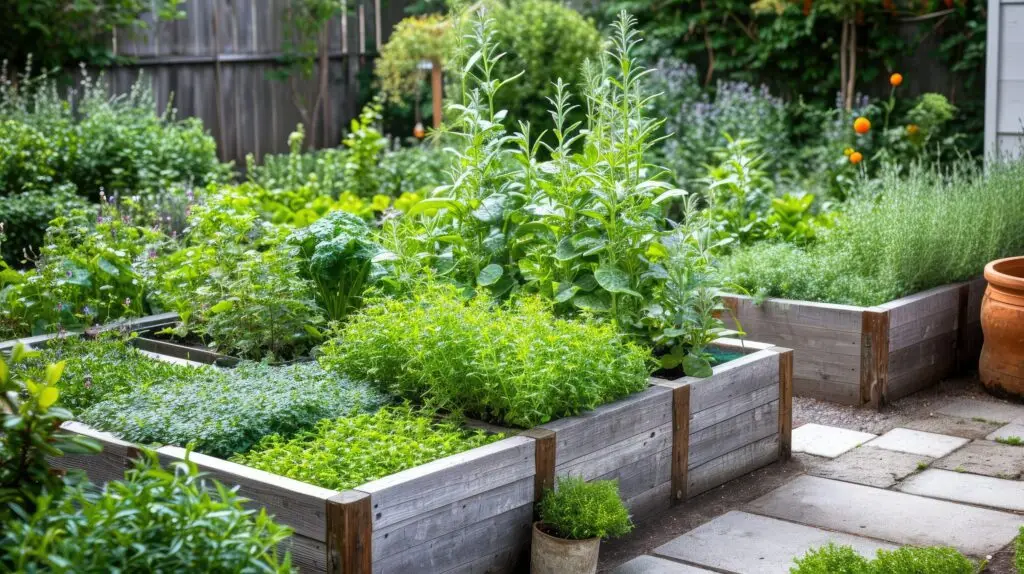
Choose plants or varieties of plants that are resistant to this disease. If you cannot find resistant varieties, then avoid placing plants too close together, and in low and shady conditions. Also, avoid overhead watering that can increase humidity, and late summer applications of nitrogen fertilizer which can encourage tender new and susceptible growth.
How to Treat Powdery Mildew?
Once you have powdery mildew, remove and destroy all infected plant parts. In the fall, it’s important to remove any plants that have this disease, because letting them lay around during the winter can infect next year’s garden. Do not compost infected plant debris, as even compost pile temperatures are often not high enough to kill this fungus. If all else fails, you can apply an organic fungicide at 7-14 day intervals, always following package directions.Kellogg Garden OrganicsAll Natural Garden Soil
**Product not available in AZ, CA, HI, NV, UT. For a comparable product in these states click here.