Peach trees are rewarding fruit trees that call for some care to yield a robust peach harvest. There’s hardly a more satisfying experience than picking a ripened peach right off of the tree right in your backyard. They’re fresh, juicy treats that are easy to grow organically. Explore our comprehensive guide on how to grow a peach tree and get started on a journey that will keep on giving year after year.
Planting a Peach Tree
First, choose a planting site that provides your peach sapling with full sun, excellent drainage, and protection from harsh conditions like frost pockets and harsh winds. When planting any tree, it is essential to remember that your young tree will become a large mature tree. For peach trees, this can mean a 20-foot tree or larger, so be sure to take that into account when you choose your planting site.
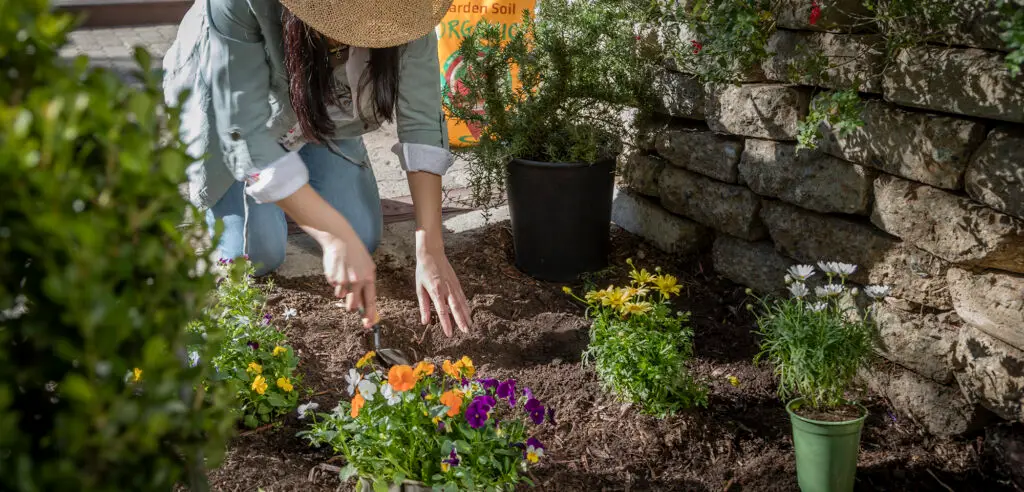
Plant your tree in Spring or early Summer for the best success. Dig your hole as deep as the plant’s root ball and two to three times its width. If the plant looks to be root-bound, gently loosen the tightly wound roots and clip some of the roots to aid in loosening them. Place the root ball into the hole and fill in the hole with fertile soil, pressing firmly with your boot as you go until all air pockets are gone, and the soil base is firm and level with the ground.
Spacing
Spacing is essential when it comes to planting trees. Trees need room to stretch out their branches as they grow toward full maturity. Proper spacing can also keep fungal diseases to a minimum. Standard-sized peach trees can be spaced 15 to 20 feet apart, while dwarf varieties should be planted 10 to 12 feet apart.
Soil
Peaches prefer a soil pH of between 6.0 to 7.0. on the pH scale. Obtain a soil test before planting and amend accordingly to ensure that the peach tree gets its best start. Try using a soil naturally enriched with fertilizer to provide a healthy boost to your tree. Peach trees thrive best in lightweight loamy, well-draining soil. It is vital to not plant peach trees in low spots in the landscape where water pools, as this can contribute to problems like root rot, which can cause the demise of your tree.
Pollination
Most peach tree varieties are self-pollinators, so all that you need is one tree for fruit production. Maintaining an organic growing space will encourage bees to thrive and assist in the fertilization of your peach tree.Kellogg Garden OrganicsAll Natural Planting Mix
**Product not available in AZ, CA, HI, NV, UT. For a comparable product in these states click here.
Maintenance
Work to thin out your fruits so that they are about 6 inches apart on each branch. Overcrowding of fruit on any given branch will decrease the overall size and quality of the fruit in your yield. Thinning out the fruit may be a surprising suggestion, but the practice encourages the tree to focus its energy on the remaining fruit instead of spreading itself too thin.
Prune and fertilize to bolster up to 18 inches of new growth during the spring and summer months.
Watering
Peach trees require regular watering for an average of three times per week as the young tree gets established. As time goes on and the tree takes hold in the ground, the young tree should be watered-in well on a less frequent basis, soaking the soil generously only when the soil is relatively dry. This will encourage the roots to reach deeper into the ground, making for a sturdier, more robust tree.
Pests
Peach trees are susceptible to an array of troublesome pests that peach gardeners will, unfortunately, contend with as they grow their crops. Such insects damage peach flowers and fruit, bore into limbs, and cause trunk damage. Some of the most prevalent pests are aphids, plum curculio, leafhoppers, Oriental fruit moths, peachtree borers, scale, and Japanese beetles.
Pests can be prevented by instituting a variety of cultural practices. Employing proper watering habits will keep trees healthy and less susceptible to pest infestations. Prune peach tree branches so that air can flow freely through them, thereby preventing fungus growth on perpetually wet leaves. Remove any diseased wood from tree as soon as it is noticed.
There are also organic products like jojoba and neem oils that you can purchase from your local garden center, which counteract peach trees and other garden pests. These are great products that are non-toxic and won’t leave behind any chemical residue.
Pruning
Annual pruning is a crucial component of peach growing. Pruning bolsters productivity and helps to ensure a yearly bumper crop of juicy peaches. Fruits develop on new growth, so it is essential to continually cut back your branches to encourage new growth and regular annual fruiting.
Prune your tree to an open centered shape. Early in the summer months of the first year of growth, prune back the shoots that grow up from the top of the tree at the 2nd bud.
As the tree grows, pay attention to the three predominant branches. They will be the core structure of your fruit tree. In the early summer of months of the 2nd year, aggressively prune the branches in the middle of the tree nice and short, and clip off any sucker shoots that sprout out below the three main branches. Continue to prune your peach tree annually.
Recommended Varieties
There are hundreds of peach cultivars, but they can be broken down into three main categories: clingstone, freestone, and semi-freestone. These categories point to how much the flesh adheres to the peach pit. Freestone varieties pull away from the pit with ease and are an obvious favorite. Check out some of our highlighted standout varieties of peaches worth growing.
Freestone
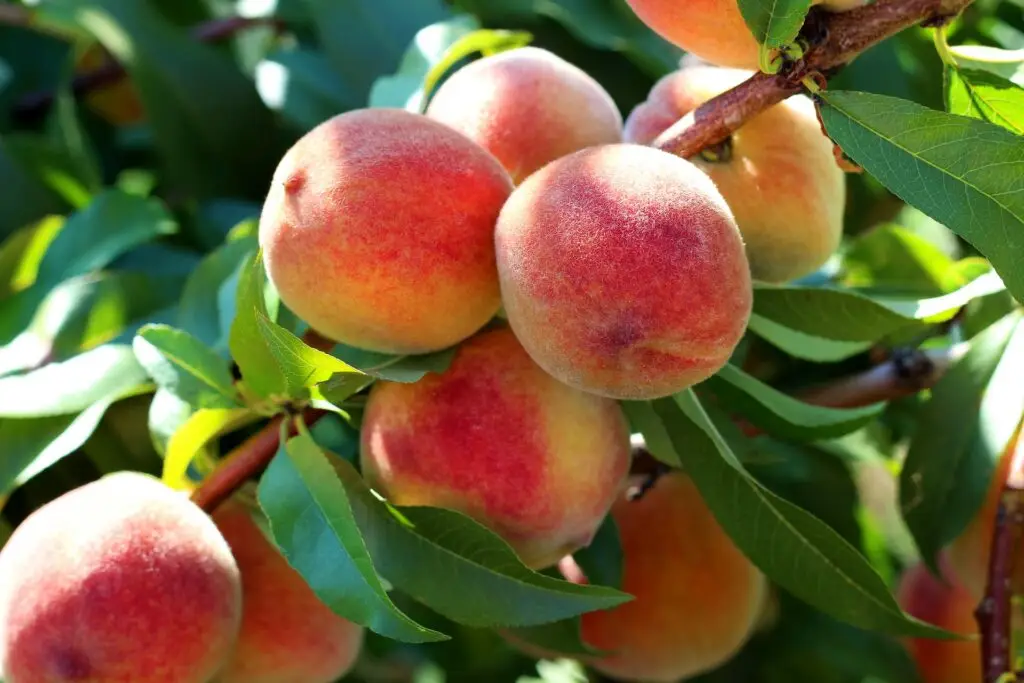
‘Elberta’ produces a sizeable golden-yellow fruit that is blushed with red tones. It is known for its firm sweet flesh and is fantastic for canning or eating freshly picked.
‘Glohaven’ produces large, bright, yellow-colored peaches that are super smooth without all of the fuzzy peachy characteristics. This variety is less susceptible to freezing temperatures than some other types.
Semi-freestone
‘Redhaven’ is a delicious yellow peach with some blushing red tones. It has a sweet flesh that freezes well and is excellent for canning and eating fresh. It is one of the most favored and standard varieties of peaches.
Clingstone
‘White Heath Cling’ is a late-season favorite that produces medium to large fruit with an intriguing white skin and a slight blush. The flesh is juicy, and the fruit has a distinctive flavor. This is a cold-hardy variety.
Where Do Peaches Grow?
Peaches are successfully grown around the world. China is the world’s leading producer of peaches, and the United States boasts being the fifth leading producer of the juicy and delectable fruit. In the United States, peaches do their best growing in USDA zones 5 through 9, where you find hot summers and winters with temperatures that dip below 40°F for an extended period. In fact, most peach tree varieties require this cold spell each winter to set their fruit for spring.
The top four states for peach production in the United States are California, South Carolina, Georgia, and New Jersey. But peaches can be grown in USDA Zones 4 through 9; they just do particularly well in USDA Zones 6 through 8.
How Big Do Peach Trees Get?
A peach tree can attain heights of up to 25 feet tall, and almost as wide if left unpruned. Dwarf varieties of peach trees can grow 6 feet in height and width. Ideally, however, you should keep your standard peach tree pruned to 12-15 feet for best airflow and reachability. A standard peach tree can easily yield 100 to 150 pounds of fruit per year, and a dwarf variety can yield 50-60 pounds of peaches, respectively. So, pick your most appealing variety of peach and get planting, so you are one step closer to a bountiful harvest.
Share The Garden Love
If you still have any questions, here is a list of FAQ’s for tree planting. Make sure you take a look here for a bunch of answers to questions that you might not have even known you had.