What’s more annoying than preparing your planting beds and carefully adding seedlings or transplants, only to have groundhogs stumble upon your garden just to quickly wipe it out with their voracious appetite? To help, we’ve compiled some of our best tips on how to avoid groundhog invasion and protect your garden.
Protect Your Vegetable Garden From Birds & Groundhogs
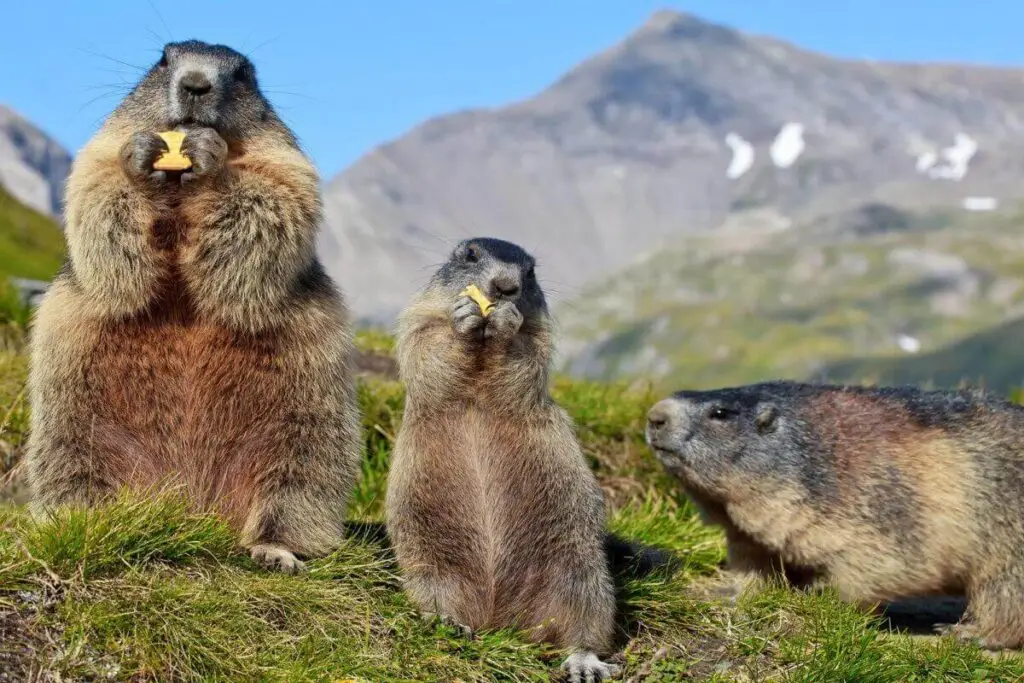
Groundhogs, aka woodchucks, are squirrel relatives. They weigh a chunky 4 – 14 pounds and have long coarse and grayish-brown coats. Groundhogs live in fields, pastures and gardens from Alabama to Alaska and burrow. They spend the warmer months underground, coming out to feed in the early morning and at dusk. Burrows are about 2 – 4 feet underground, running from 15 – 25 feet horizontally. A pile of fresh soil around the hole typically identifies the main entrance. Other entrances are usually hidden in vegetation. Some of their favorite foods include peas, broccoli, carrot tops. lettuce, and squash. They like to snack on flowers like daisies, lilies, pansies, marigolds, and sunflowers, too. So, if you grow any/all of these. this one’s for you.
Fortunately, there are methods you can implement to protect against these pesky creatures and protect your plants without the use of harmful methods. Let’s take a look.
Groundhogs
- Scare Them: Groundhogs are shy. Noisy moving items may work. Use wind chimes, pinwheels or other decorative but functional items.
- Fence Them Out: Groundhogs can jump short fences and tunnel under others, so it’s important to do this right. Buy chicken wire (at least six feet tall) and five-foot posts. Bury the wire twelve inches deep to prevent tunneling. Attach the fencing to the posts except for the top foot. Bend that away from your garden to keep groundhogs from climbing over it.
- You can also put three-foot-wide chicken wire around your garden and install a four to six-foot high fence six inches from the edge of the flat wire closest to your garden. This leaves two-and-a-half feet on the outside of the fence line. Leave the top foot unattached and bent away from the garden. The flat wire keeps groundhogs from digging under the fence and saves you from digging a trench.
- Relocation: Catch-and-release is an effective and humane method. Set live traps five to ten feet from the burrow and bait them with the groundhogs’ garden favorites. Your local Humane Society or Extension Office can tell you where to release your groundhogs and may even lend you the live traps.
Safety first, these are wild animals! Wear sturdy gloves and pick up the trap by the handles. You may catch other animals, too. The animals’ safety is also important. Check your traps often so animals aren’t confined for days with no food or water.Kellogg Garden OrganicsAll Natural Garden Soil
**Product not available in AZ, CA, HI, NV, UT. For a comparable product in these states click here.Tips for Successful Live Trapping:
- Wash traps before use with unscented dish soap. Wear rubber gloves when setting them. Groundhogs have keen senses of smell and will avoid the trap if it smells like a human.
- Keep traps from moving. The animal’s weight may shake the trap setting it off too soon. It may also be suspicious of the movement and avoid the trap. Put the trap on a flat surface and brace it with heavy logs or rocks.
- Wash traps after use. Trapped and frightened animals often empty their bladders.
Other Methods. Proper landscape maintenance discourages groundhogs from settling in the first place. Clear away brush, woodpiles and other places that provide cover.
Organic repellents are available in granules and liquid form. They work through taste and odor, so don’t apply them to your vegetables. Instead, apply to the stems and leaves.
Lastly, give them a garden of their own! If you plant a “groundhog garden” with favorites such as clover and alfalfa, they may never venture near your garden. Make sure to plant the “groundhog garden” near their burrow.