Looking for a sustainable gardening practice? Look no further than soil layering!
Layering soil is a great method to not only enrich your soil—it also reduces the need for constant watering and fertilization. In this blog post, we’ll look into the essentials of layered soil gardening and how you can use this technique to grow thriving garden beds.
Understanding Layered Soil Gardening
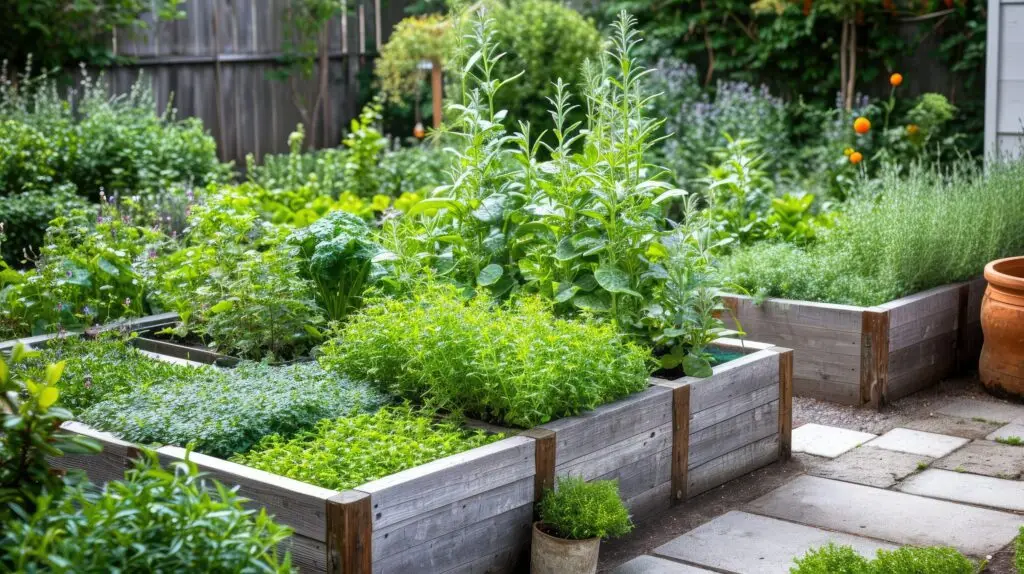
Layered soil gardening is all about filling your raised garden beds with organic materials that gradually decompose over time, enriching the soil and promoting plant growth.
This method is especially useful for gardeners seeking to improve soil fertility and moisture retention, even in areas with poor soil quality!
Building Your Layered Soil Garden Bed
Set a Foundation of Organic Matter
Begin by laying down a base of large stumps or logs ( you can get these from sources like mulch deliveries). These materials serve as the foundation of your layered soil bed, providing structure and aiding moisture retention.
Add a Layer of Compost
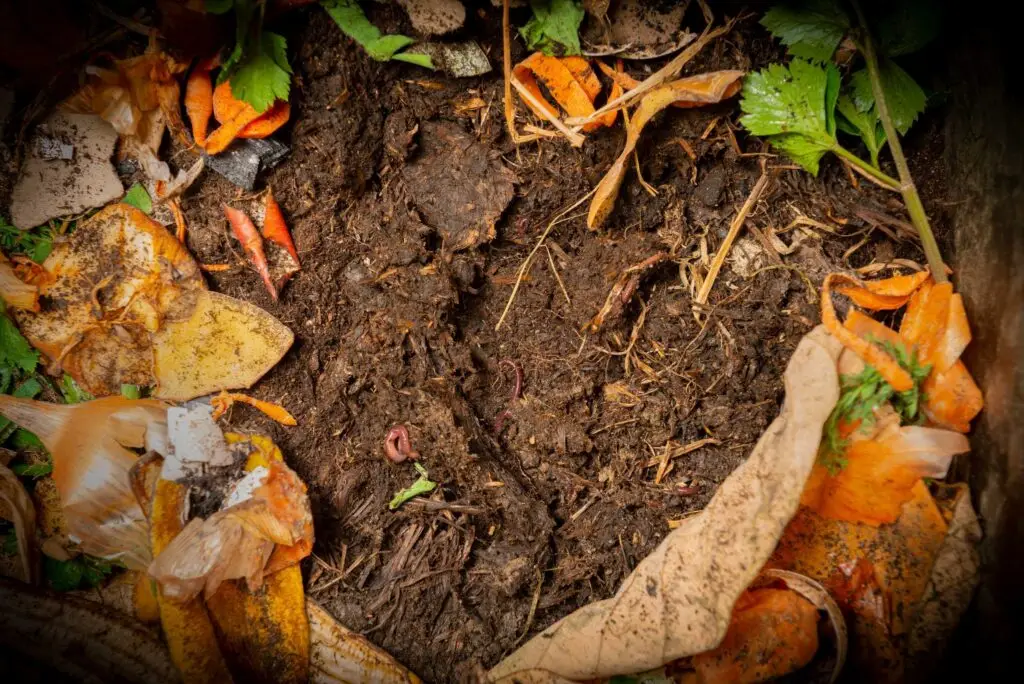
Layer the bed with nutrient-rich compost sourced from the backyard! This layer introduces essential nutrients to the soil and supports microbial activity.
Now Add Mulch (But Not Too Mulch)
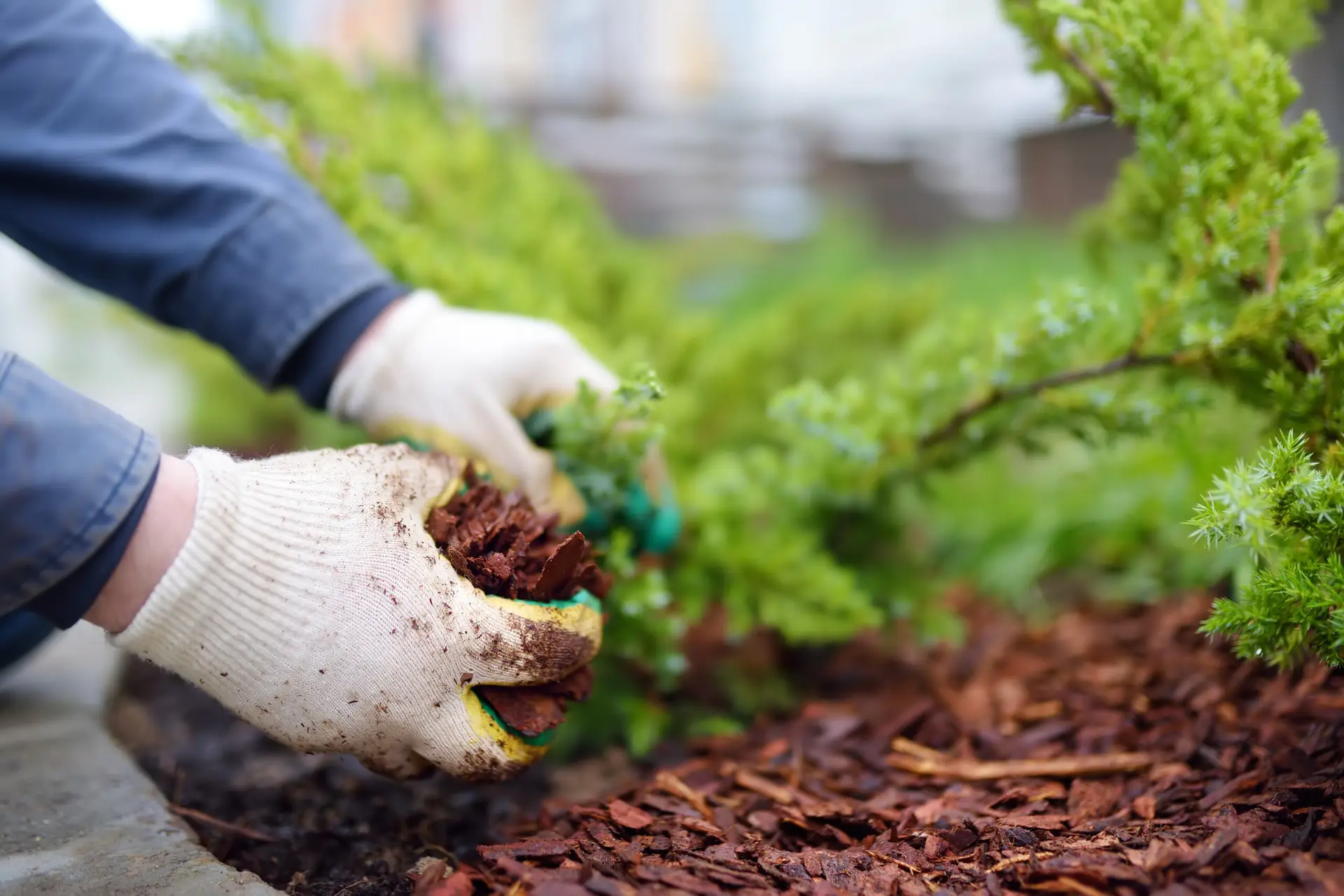
Apply a thin layer of mulch over the compost to enhance soil fertility and regulate moisture levels. This mulch layer also helps suppress weed growth and insulate the soil.
Supplement with Fertilizer
To mitigate nitrogen depletion caused by decomposed organic matter, be sure to incorporate an all-purpose organic fertilizer into the mix. This step ensures that your plants have access to essential nutrients for healthy growth.
Finally, Add Topsoil
Complete the construction of your layered soil bed by adding a layer of topsoil or raised bed soil. This layer provides a suitable growing medium for your plants and seals in the underlying organic materials.
Benefits of Layered Soil Gardening
Layered soil gardening does a lot for gardeners:
- Enhanced Soil Fertility: The gradual decomposition of organic matter enriches the soil with nutrients, promoting robust plant growth.
- Improved Moisture Retention: The porous structure of layered soil beds retains moisture, reducing the need for frequent watering.
- Sustainable Gardening: By utilizing organic materials and promoting natural decomposition processes, layered soil gardening contributes to eco-friendly gardening.
Incorporating layered soil gardening into your gardening routine can revolutionize the way you grow plants, offering sustainable solutions for improving soil fertility and moisture management.
By following the steps outlined in this blog post, you can create vibrant garden beds teeming with life and vitality, all while minimizing environmental impact. Try layered soil gardening and watch your garden thrive!