Integrated Pest Management (IPM) sounds complicated, scientific, and way above the head of the average gardener, right? Well, it might sound that way, but it’s really pretty basic information. IPM is just a common sense way of managing and controlling the pests in your garden so that they don’t destroy what you’ve planted.
Conventional pest control encourages gardeners to use chemicals once they see bugs in the garden. And while there are some good organic treatments out there, IPM first encourages gardeners to observe and identify what is happening in their gardens while focusing on prevention. It’s a step-by-step process that starts with the easiest action first, and aims to keep your garden healthy over time— so let’s break it down.
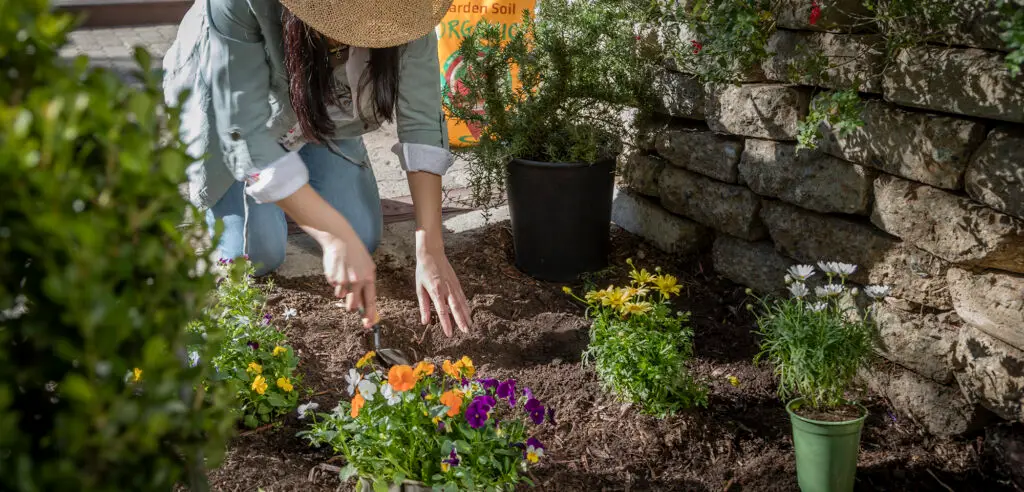
1. Plant native and adapted plants in your garden. Plants like these are used to your area’s growing conditions and will be less susceptible to pests and disease. Contact your local county extension office or a trusted local garden center for native plant suggestions for your area.
2. Diagnose the problem. If you see a bug in your garden, it’s not necessarily a bad thing. First, about 95% of insects are not pests, so try to identify what you are seeing before taking any action. Second, if the bug is a pest, recognize that it’s impossible to remove all pests forever from the garden — so if you’re only seeing 3 grubs in your lawn (as opposed to 10 in a square foot) that is a number you can live with.
3. Remove pests by hand, or use a blast of water on the plant if you’re seeing a bunch of pests. Be sure to look underneath leaves, as many pests like to congregate there.
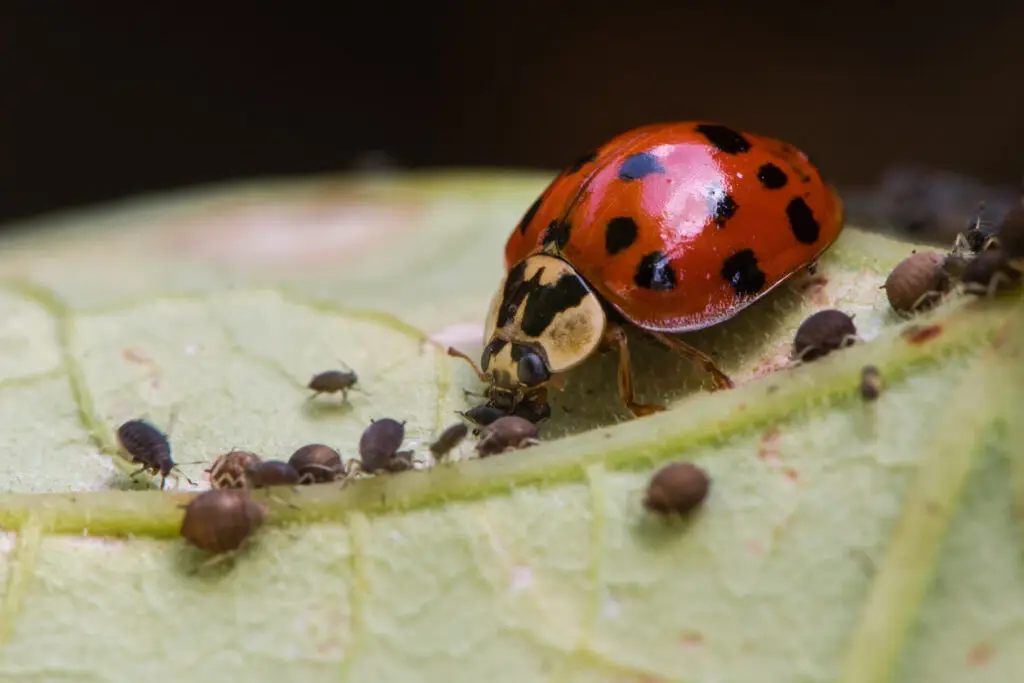
4. Add or attract beneficial bugs or predators to your garden. For example, if you have an aphid problem, release ladybugs into your garden for a natural control — ladybugs consider aphids a gourmet appetizer.
5. Treat, using chemicals as a last resort. Always start with the least toxic product first (we recommend organic treatments), and always read the package label and follow all directions.