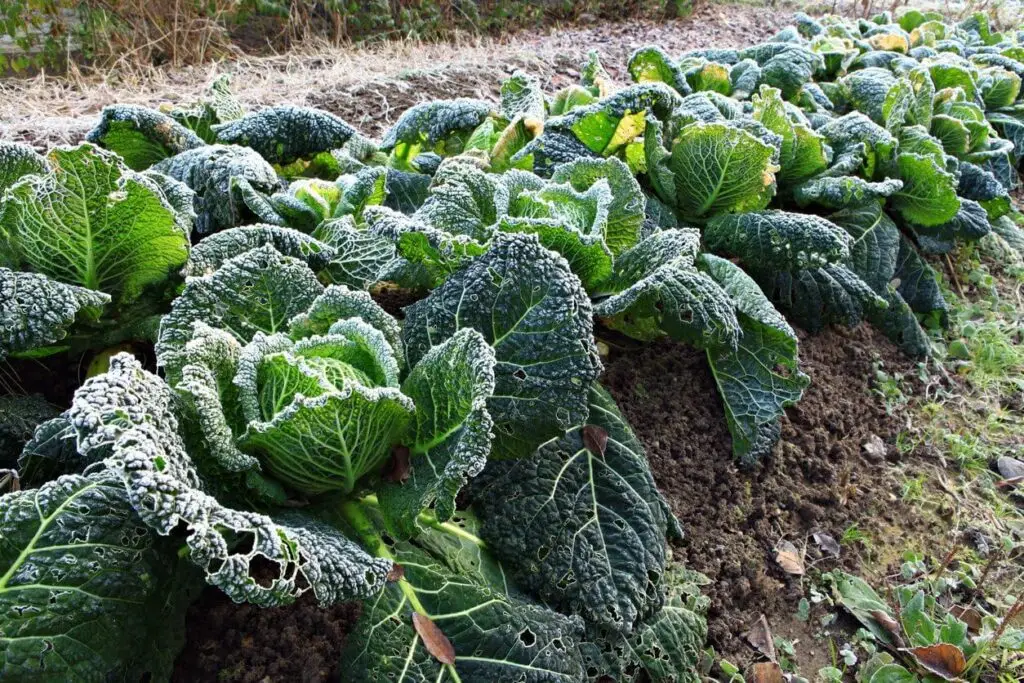
Cole crops are hardy, cool weather vegetables that are perfect for early spring or late fall gardens. These plants – also known brassicas or cruciferous vegetable – are all descendants of wild cabbage, and range from common broccoli to the more exotic kohlrabi. Cole crops include kale, cabbage, brussels sprouts, turnips, mustard, chard, and cauliflower.
They are all great candidates for the home garden. Although they all have slightly different needs in the garden, they are similar enough for a general overview.
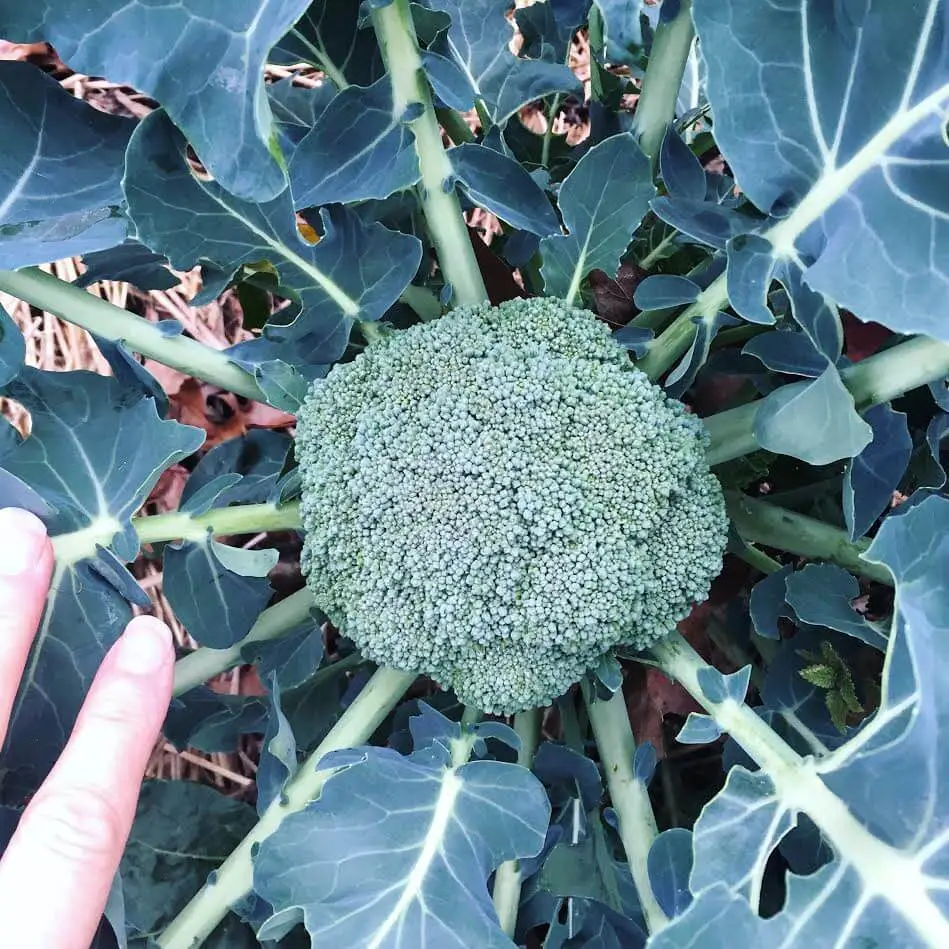
Coles Are Good for the Cold
Cole crops do best when daytime temperatures are below 68°F. Not only can they handle cooler weather, but most actually taste better after a light frost. Cole crops can all handle a frost, and cabbage can even handle temperatures down to 10°F. Kale and broccoli are not quite as cold tolerant, but with a cold frame or low tunnel, these crops can be grown in almost any area of the country, even through winter.
Planting
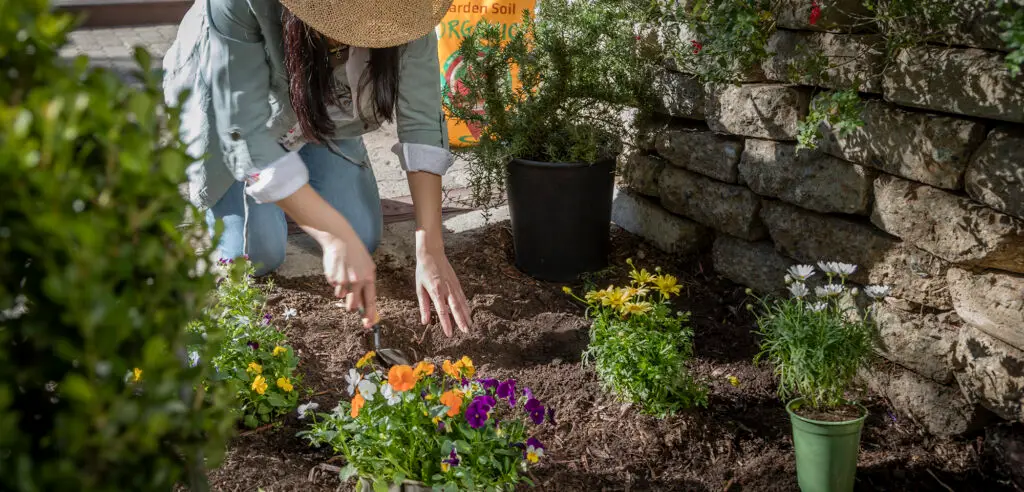
Select a sunny site with rich, well-draining soil to plant these vegetables. Working some good compost into the soil before planting is always a good idea, as they can be heavy feeders.
For Spring planting, the quicker growing crops like mustard, chard, kale, and turnips can be directly sown into the garden once the soil has reached 45°F. Cabbage, Brussels sprouts, broccoli, and kohlrabi seeds can be started indoors 6 to 8 weeks before last frost, and planted out two weeks before the last frost.
For Fall planting, seeds can be directly sown 100 days before the first frost. Seedlings can also be started indoors, and planted out 4 to 6 weeks before the first frost.
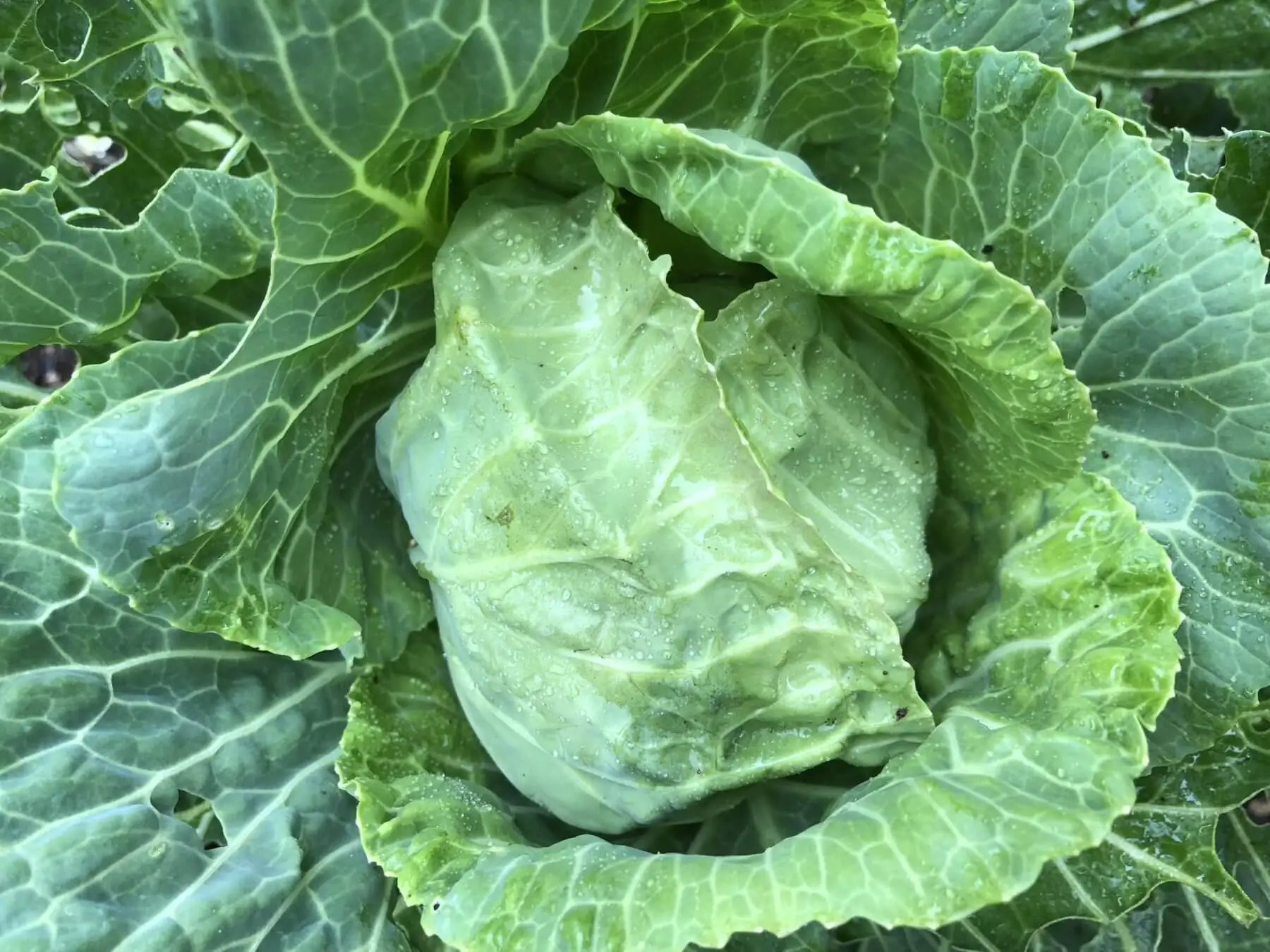
Special Considerations
Cole crops can sometimes be prone to fungal diseases such as mildew. The best defense is to start with healthy soil and healthy plants, and to look for disease resistant varieties. Trim off any diseased looking leaves and throw away. Mild cases of fungal disease can usually be treated with an organic sulfur powder.
There are quite a few caterpillars and other insects that love to feast on cabbage and its cousins. One of the best methods to combat insects is to use floating row cover to keep the them off. Hand pick any bugs that you see on the plants. A sprinkling of diatomaceous earth can also help eradicate the ones that you don’t see. Growing cole crops is a great way to enjoy garden fresh veggies, even during the colder parts of the year.
About The Author:
Mia Cover is an avid home gardener and beekeeper, and runs a garden club at an inner-city high school. She lives with her husband and kids on a tiny urban farm in Nashville, TN.