With the trend of chicken-keeping in recent years, it’s easy to forget another backyard and urban farm bird — the duck. We have both chickens and ducks on our urban farm, and my husband, while enjoying the chickens, actually prefers the ducks because they are hardier than our chickens and have goofy personalities (all eight of our ducks move as one unit, almost as if they have a group Buddy System). And while raising ducks is similar to raising chickens, there are some differences to be aware of in order to keep your ducks happy and healthy.
Reasons To Keep Ducks
- Pest Police: Unlike chickens, ducks will pick up bugs and leave most of your garden vegetables alone.
- Quiet Time: Ducks are quieter than chickens, especially the males.
- Bad Rap: Ducks get a bad rap for being messy, but they really aren’t.
- Over Easy: Duck eggs taste good and they lay eggs well into the winter.
- Hardy Boys & Girls: Ducks do well in colder weather.
How to Raise Ducks: Food & Water
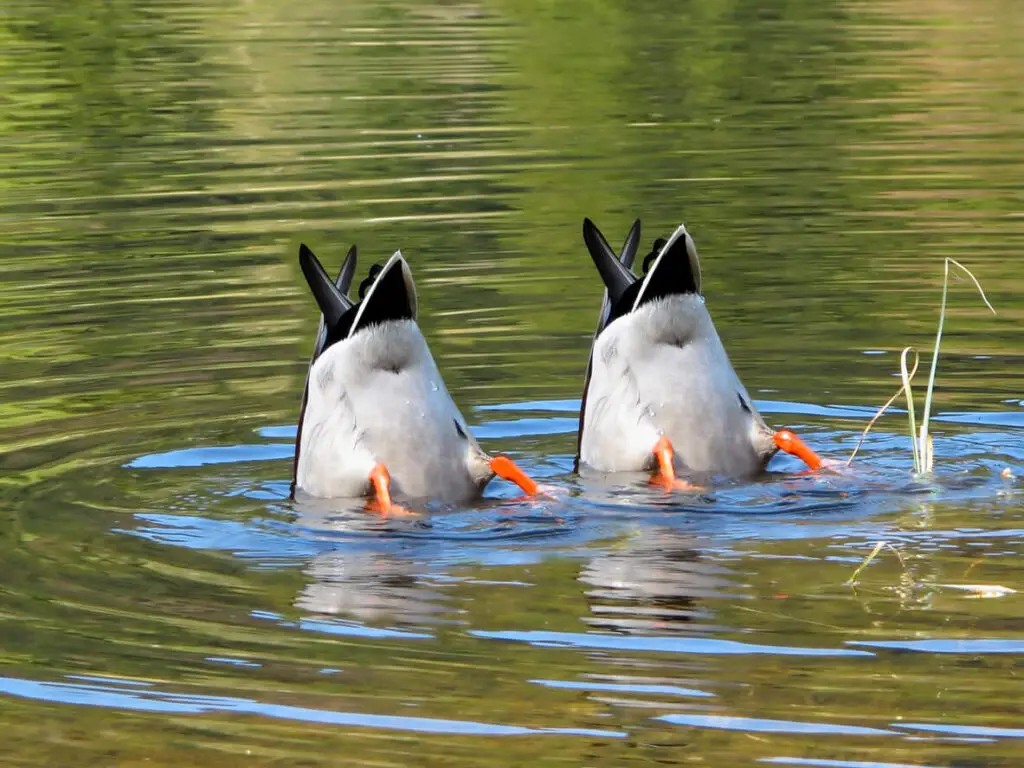
Water: While both chickens and ducks need access to fresh drinking water, ducks also need a water source to dunk their heads in. Since they don’t have tear ducts, they bob their heads into the water to moisten and clean their eyes. Also, they have an oil gland at the base of their tails that’s activated as water splashes over their backs, helping to waterproof their feathers. A small stock tank or even an inexpensive plastic kiddie pool will do — we have both.
Know that in larger ponds, ducks will do all the things from eating and mating to relieving themselves and drinking, so make sure your water supply is fresh. And if you’re planning to raise young ducks? No deep water, please! They can easily get into it and drown. Best to let them have access to a dish with shallow water at first.
Food: Ducks will eat a variety of food, from hay and duck pellets to garden pests. If you have chickens and you are planning to keep your chickens and ducks together, they can eat the same food — look for feed labeled “chicken layer” and you’ll be good to go. Ducks do need slightly higher levels of niacin, however, so plan to add some brewer’s yeast to the feed. You can leave the feed out all day and take it up at night, too — ducks, like chickens, self-regulate their eating. Be wary of using feed that is labeled for meat birds (unless, of course, that is why you are raising them), as this type of feed has added protein that layer ducks don’t need.Duck Feeding in the Winter
- Bulking Up: Adding a little weight for winter isn’t a bad thing for ducks that could help them keep warm.
- Internal Combustion: Feed high protein, high fat treats before bed to get their digestion going.
- Scratch grains
- Mealworms
- Fresh greens, like lettuce, kale or wheatgrass
- Cracked corn or peanuts
- Warm plain oatmeal, or fermented feed
Duck Coops
Housing: Ducks need shelter at night (and for the winter) and shade during the summer. If you already have a chicken coop, you can confidently keep your ducks in the same coop at night, provided you have enough room. But be aware — ducks don’t put themselves to bed like chickens do. You’ll have to round them up and herd them into the coop (easy enough to do because of their tendency to stick together). They don’t need nesting boxes or roosting rods; they will lay their eggs wherever they want, and prefer sleeping low to the ground. Like chickens, their housing needs to have adequate ventilation for best health.Duck Coop Care in the Winter
- The Buddy System: Keep ducks together in smaller spaces to share body heat
- Drafty Situation: Bales of straw or hay placed around the perimeter can keep heat in and block drafts.
- Foot Patrol: Add a thick layer of straw or hay to the floor, or cover with planking to keep their feet warm.
Kellogg Garden OrganicsAll Natural Garden Soil
**Product not available in AZ, CA, HI, NV, UT. For a comparable product in these states click here.Vaccines: In my experience, no additional vaccines are necessary. Their internal body temp is 107 degrees, making common chicken diseases unable to survive in their bodies. In general, they are much hardier than chickens and not susceptible to many issues.
Tip: If you have a dog, make sure it’s trained to leave your ducks alone, and/or be prepared to provide fencing to keep your ducks safe. Our two dogs are trained to interact with and actually protect our chickens and ducks. And FYI – if your dog is any kind of a water or retriever-type dog, you’re working against their nature. Better to get a dog breed whose instinct is to protect rather than hunt or retrieve.
Hopefully you and your ducks can be happy and healthy by using Kellogg Garden Organic Products in your garden! Find a store near you today!