DON’T LET INVASIVE PLANTS TAKE OVER YOUR GARDEN
As organic gardeners, we understand the importance of having native plants in our gardens — they conserve water and labor, provide shelter, food, and cover for wildlife and pollinators, contribute to cleaner air and lower greenhouse gas emissions. But did you know that there are plants out there that threaten the health and vitality of our native plants? There are, and they’re called “invasives.” Here’s what you need to know to spot them and stop them.Read More: THE TALL TALE ON 5 TALL GRASS VARIETIESWhy are invasives so bad?
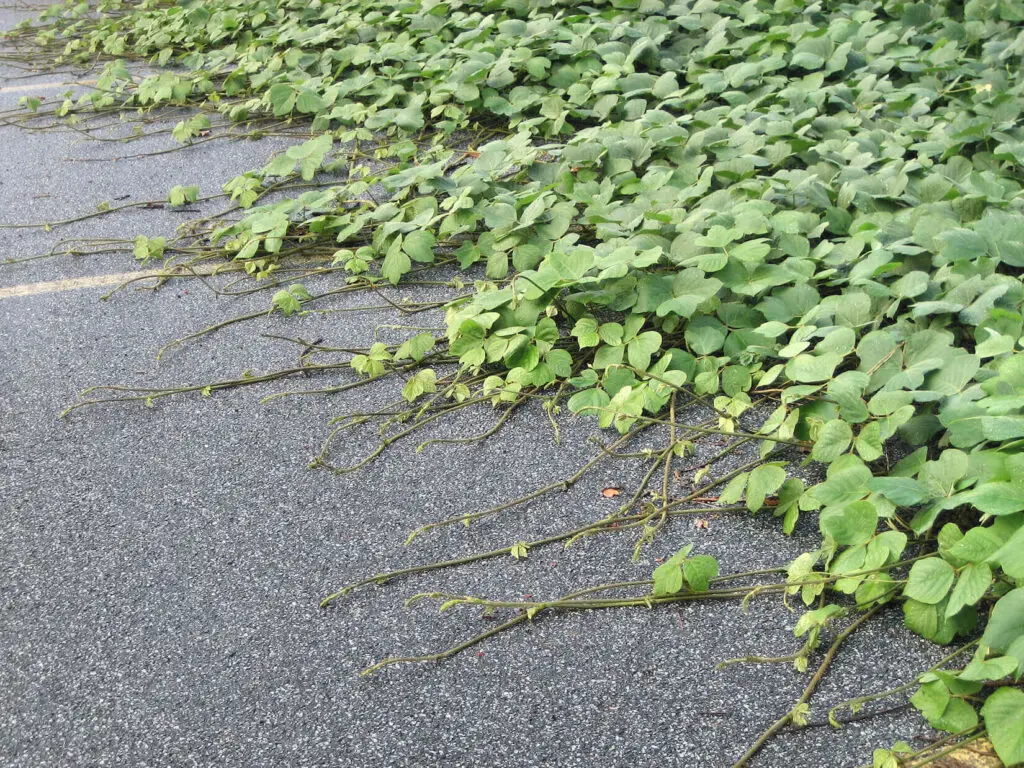
Invasive plants are actually worse than simply being non-native plants — these plants have vigorous growing habits, colonize easily, and have the power to choke out plants that are native to a geographic area. In a nutshell, because they decrease biodiversity, they are unequivocally bad for the environment.How to Spot Invasives
While it may not be possible to know every single invasive plant species in your area, it’s certainly possible to acquaint yourself with the top 5 offenders. Here are some ways you can do that:
- Look up your state’s “department of natural resources” and search for a list of known invasive plants.
- Call your county extension office and inquire about the existance of a similar list they may have developed.
- Contact local parks, nature centers, forest preserves, botanical centers, public gardens and arboretums and inquire about field courses on invasive plant identification.
- Ask your native plant society if they have reading material or courses they would recommend.
How to Stop Invasives
Once you are aware of your region’s invasive plant species, there are a number of things you can do to help control infestation — and as you do that, you can pat yourself on the back for becoming involved and doing your part, because, with invasive plant species, it truly does take a village to keep the situation under control!
- Reach out to family, friends, and neighbors to let them know what you have learned.
- If you spot any invasive plant species for sale at a local garden center, ask to speak with the manager and request that they discontinue this.
- Do a thorough and regular inspection of your property to identify and remove an invasive plant — remember, some can blow in as seed from a neighbor’s yard.
- If you spot an invasive plant species when you are hiking, biking, jogging, or camping, contact your county extension office to report the location.
- Never camp, hike, or otherwise travel through areas with a known infestation of invasive plants — they are hitchhikers and can travel home with you on your clothing, equipment, and vehicles.
- Clear off mud and visible plant material from your gear before entering and leaving a natural area.
- Inspect your boat or fishing gear for plant parts — remove them and clean equipment before entering another body of water.
- Stay on designated trails to avoid contact with invasive plant species.
- Continue to plant native plants in your garden.
See Also: ORGANIC WEED CONTROL