Sprouts, Microgreens and Baby Greens: Tiny Food with a Big Nutritional Punch
Tiny food alert! While anything in a tiny, micro, or baby size is adorable, when it comes to food, it’s irresistible. And even more than that, tiny plants like sprouts, microgreens, and baby greens pack a nutritional punch that few other plants can rival. But, what’s the difference between these three? They can’t be all that different, right?What are these little plants, anyway?
Sprouts, microgreens, and baby greens are all normally-occurring stages in plant growth, and there are different reasons why you’d want to harvest a plant at the sprout stage as opposed to the baby greens stage. These plants start as seeds, then sprouts, followed by microgreens, baby greens, then finally, mature plants. Here’s how you can tell the difference.
Growing Microgreens: From Seed to Harvest In One Week
In this video, Resh Gala, an urban organic gardener in New Jersey – Zone 6b, teaches us how we can start growing microgreens at home.
Whether your garden is big or small, make the most of your space with these tips and watch the full Growing Microgreens: From Seed to Harvest In One Week video on the Kellogg Garden Youtube Channel.https://www.youtube.com/watch?v=ItPgFpX3cMg&t=52s
Three Plant Stages:
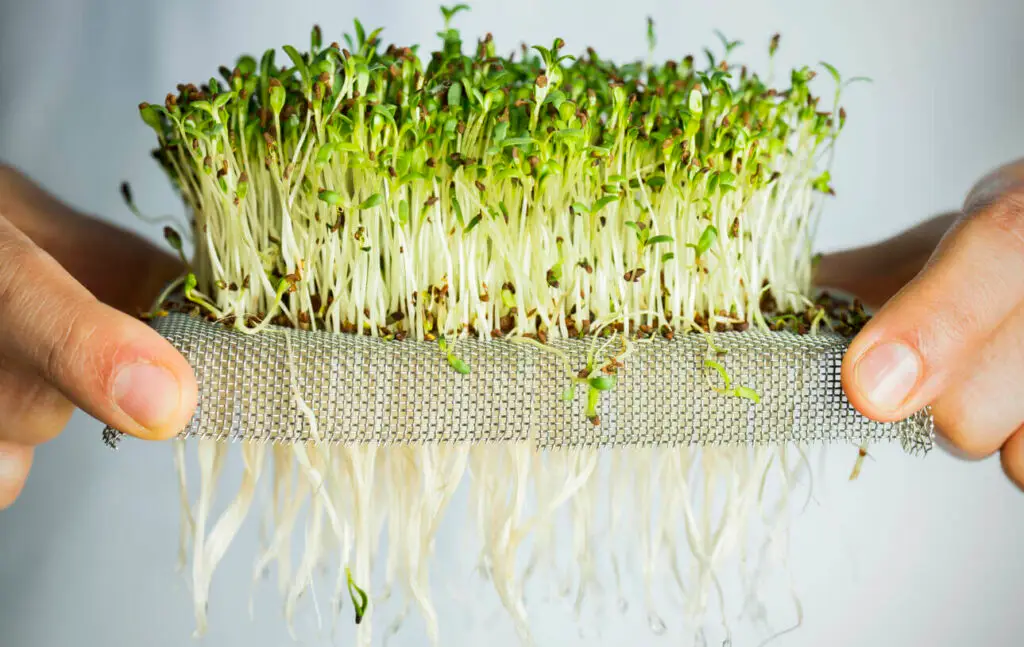
1. Sprouts. All the nutrients a plant needs are stored in the seed, and when the seed has the right conditions of soil, moisture, and light, it puts all its energy into developing its stem, roots, and first leaves. It’s a sprout! Sprouts have a stem and two “leaves” that aren’t actually true leaves but things called cotyledons. These sprouts are rich in essential nutrients, easy to digest, an excellent source of enzymes, and high in protein. The sprout stage is usually 5-7 days after germination (harvested at 4-6 days) with growth that is a little shorter than microgreens.
Hot new plants to sprout include:
- Radish
- Broccoli
- Clover
- Sunflower
- Bean
- Pea
2. Microgreens. Between the time the plant develops these cotyledons and up to when it grows to develop its first set of true leaves, it’s in the microgreen stage. Microgreens typically take up to 14 days to grow (harvested at 1-2 weeks) and are 1-3” in length. And the nutrition level? As much as 40 times higher than their mature counterparts! Their flavor is more intense as well, so remember that when adding microgreen radishes or cabbage on top of your salad.
Common microgreens include:
- Kale
- Basil
- Cilantro
- Beet Greens
- Arugula
- Chard
- Watercress
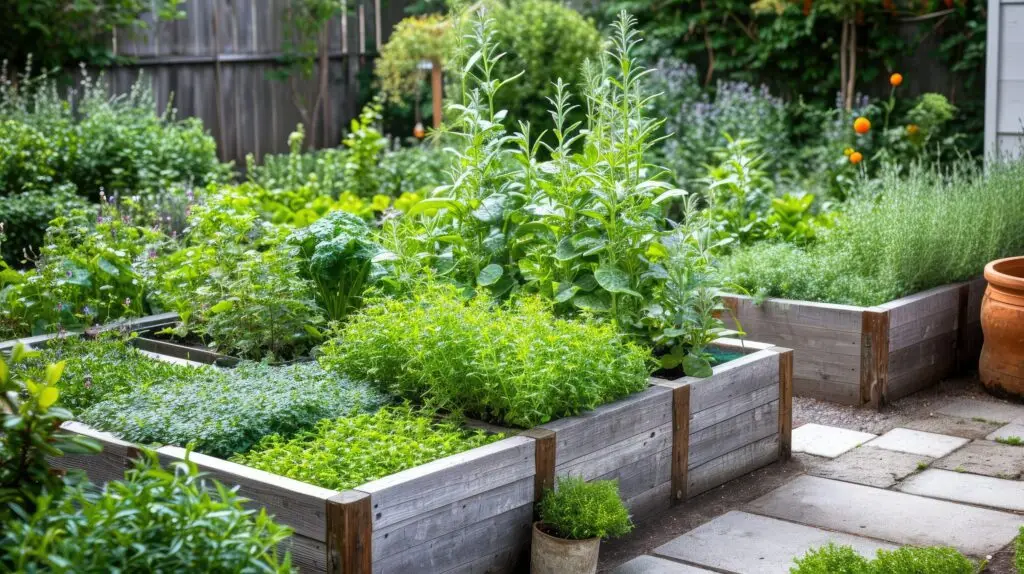
Learn how to plant these microgreens here.3. Baby Greens. Baby greens have developed their first two true leaves, but are harvested before they are fully grown. They are not mature plants, just tiny versions of fully grown kale, broccoli, and sunflowers. They, too, are more nutritious than their fully grown versions, ready to harvest at 15-40 days depending upon the plant type. They are more tender, instantly bite-sized, and fairly evenly nutritionally matched with mature plants. Many gardeners harvest their greens at the “baby green” stage because, to be honest, they prefer the taste and texture. I’m not knocking kale, you understand, but mature kale is pretty hard-core unless you’re throwing it into smoothies.
Popular baby greens:
- Kale
- Spinach
- Arugula
- Nearly any leafy green you can grow
Wondering what to do with these tiny plants? Enjoy them in sandwiches, on salads, in juicing and smoothies, and as garnishes on anything that gets served on a plate.