In the “good ol’ days,” we could just set and forget the hose when it came to watering our lawns and gardens. Now, with water supplies drying up, we have to water smarter. Here, then, are 10 tips to conserve water during hot summer months.
Watering Tips
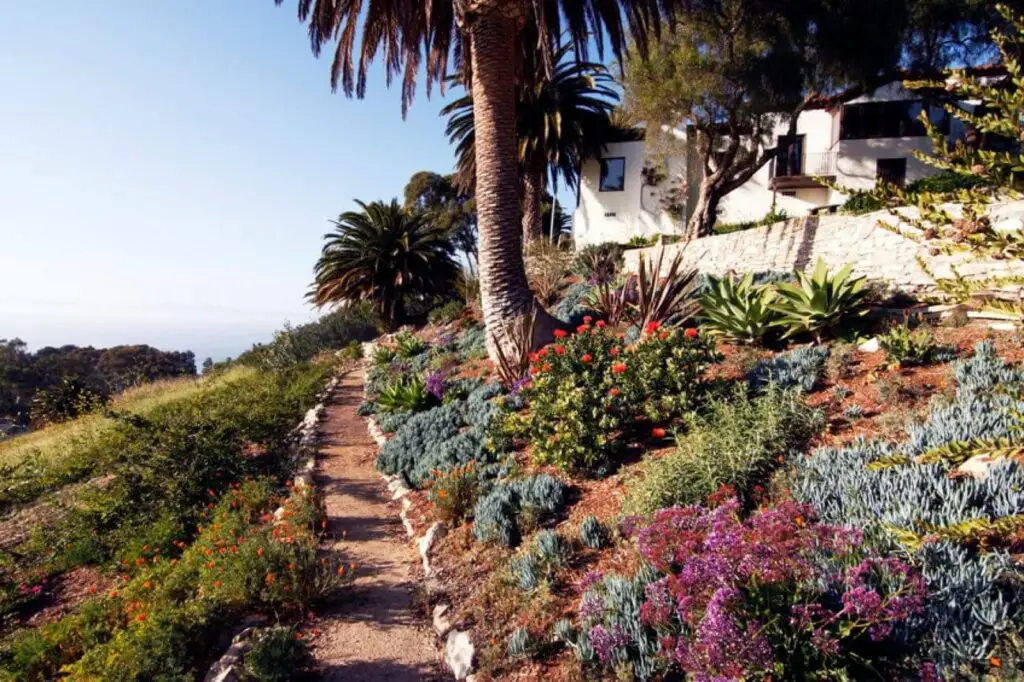
- The easiest thing to do is plant drought-resistant/tolerant plants. A quick Internet search should tell you what’s best for your area.
- Soil preparation is important. Use organic soil amendments and fertilizers to grow strong root systems. The plants will then find more water themselves and better utilize it. Aerate your soil. Compacted soil prevents water penetration, so break it up.
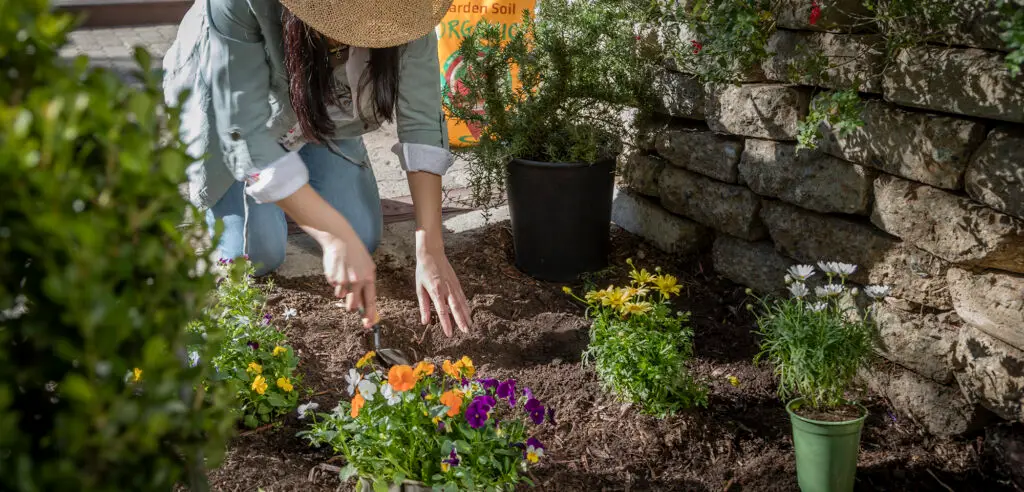
- A great way to conserve water – and cut down on weed growth – is to apply mulch to all bare soil. That includes around plants and your garden paths.
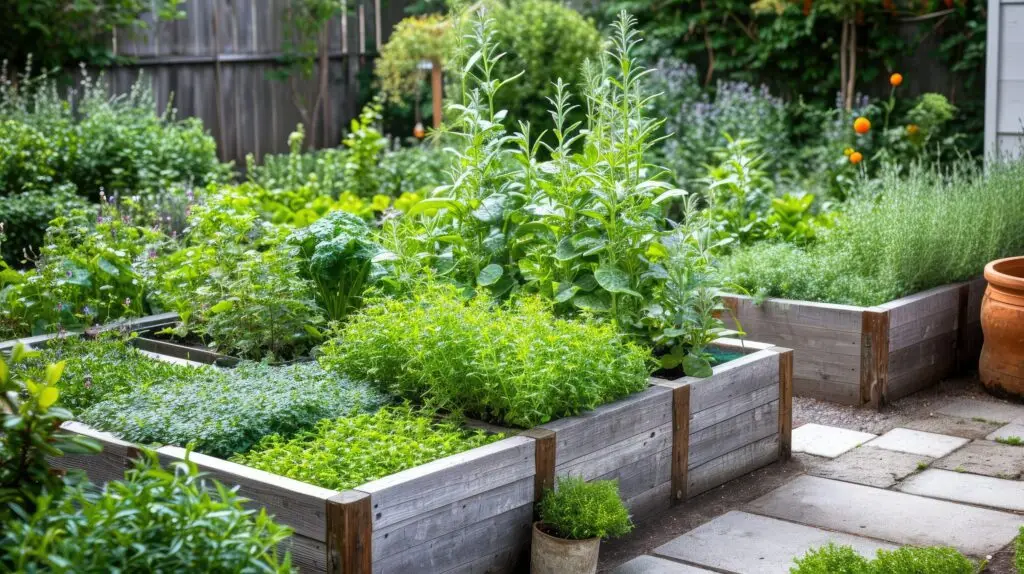
- Plant container gardens instead. It’s much easier to avoid overwatering plants growing in containers, such as planters, indoor gardens and wheelbarrow gardens.
- Drip irrigators and soaker hoses attached to timers are great for veggie and flower gardens. They deposit the water where it’s needed most – at the plants’ root zones. No evaporation and no mold from wet plant leaves. You can get these at your local garden center.
- Capture Rainwater. Add rain capture barrels at the end of your rain gutter downspouts to capture rainwater and reuse that water in your garden.
- Greywater Recycling. Greywater is used water from your bathroom sinks, showers, tubs, and washing machines. Graywater is not toilet water, which is labeled as blackwater. More and more states, particularly those prone to drought conditions are putting in place greywater friendly legislation, and you should always check with your local enforcing agency before installing a greywater system as restrictions may apply.
- Water less often. This may seem counterintuitive, but it’s not. Deeper watering is more effective than daily shallow watering and it keeps your plants healthier. Avoid runoff by setting a timer to water, then turn off, let the water soak in and start again. How do you know how much is enough? Check your system’s water output. Do this by either putting a rain gauge near your sprinkler or using cans and a ruler to measure the water collected. For example: many cool-season grasses only need around 1″ – 1.5″ of water per week to stay healthy. One good, deep watering usually helps root systems to grow stronger and deeper. In turn, they’re better able to find water on their own, which can further cut down the amount of water you use. So water deep and less frequent; and be sure to stop when you see run-off! This means the water is no longer being absorbed and so it’s wasted.
- Water your plants, not the pavement. Make sure you adjust your sprinklers such that they water your plants, not the sidewalks, roads or your driveway. Also, perform routine checks on your system to make sure sprinkler heads are still aimed properly and are functional. Repair or replace broken heads.
- Take just a little off the top – of your lawn, that is. Mow your lawn to a height of around 2″ – 3″. The higher range is best for the summer months. You get to mow less often and your grass will develop deeper roots. You’ll also reduce weed counts as the taller grass will overshadow sprouting weeds, causing them to wither.