With so much attention being paid to organic gardening these days, it can sometimes be a bit confusing when it comes to understanding the difference between organic (or natural) fertilizers and those that are not organic (synthetic). Is there really a difference? In some cases, the cost can be the same, but there are organic fertilizers that are more expensive than synthetic fertilizers. Let’s take a look at what organic fertilizers are and why you might consider using them.
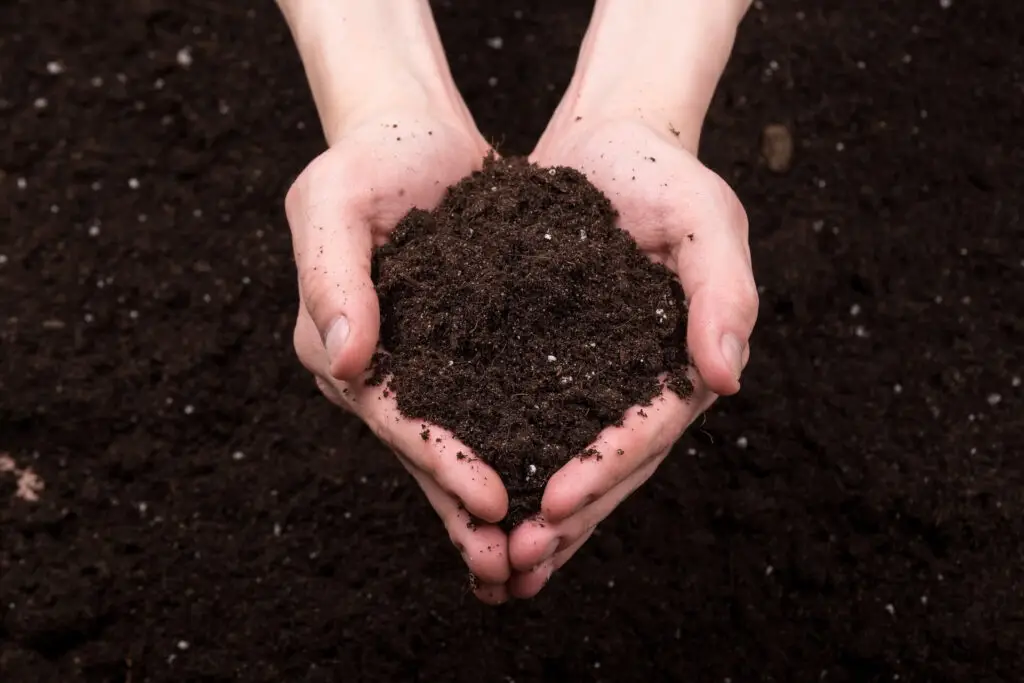
Organic fertilizers are those that are derived from the earth or from living things. Examples can include mushroom manure, aged poultry or horse and cow manure, compost, kelp meal, bone meal, and blood meal. When applied to the garden, they act like a slow-release fertilizer, feeding your plants over a longer period of time.
Inorganic (synthetic) fertilizers are those that are composed of synthesized or processed chemicals that tend to give a higher nitrogen (N), phosphorus (K) and potassium (P) reading on the package. They are generally absorbed more quickly by plants than organic fertilizers. Organic fertilizers, by contrast, usually have a bit less N-P-K, so it will work a little slower. But keep in mind, you are “feeding the soil” when using organic fertilizers… which is the best way to get nutrients to the plant. Synthetic fertilizers “feed the plant,” making the plant more prone to pests and disease.
So if organic fertilizers cost a bit more, and you might need to use a bit more, what’s the draw? Why use organic fertilizers as opposed to synthetic ones? As it turns out, organic fertilizers perform some vital extra benefits aside from just a one-time punch of nutrients — here’s a quick rundown.
Organic fertilizers:
- Help correct imbalances in the soil
- Present no danger of over-usage of nutrients
- Don’t build up harmful residues
- Do not cause pollution due to run off from rain or irrigation
- Improve soil texture for sustaining water, leading to healthier plant growth
So, the bottom line is that although some synthetic fertilizers may cost less and may provide a quick burst of nutrient power, the organic option is a long-term healthy option that works as a partner with the soil to create a strong and thriving garden — and that’s a win in any book!