We’ve heard a lot about organic gardening in recent years and, far from being a faddish trend, it’s really more of a lifestyle that increasing numbers of people are subscribing to. But what is it really, and why is it important? Organic gardening used to be linked with labels like “hippy” and “tree hugger” — but these days it’s much more likely to be associated with being thoughtful and informed.
A quick definition states that organic gardening is gardening without the use of synthetic fertilizers or pesticides. And while that’s true, it really goes far beyond that. Organic gardening acknowledges the garden as part of a larger system in nature, and because of that, pays attention to the relationship of plants to wildlife, insects, people and the water supply. When you understand how everything is connected, then it’s easy to see how using organic gardening methods is good for you, your family and the world around you.
So, what are some recommended ways to garden more organically? While there are a number of organic techniques and suggestions, here are the basics:
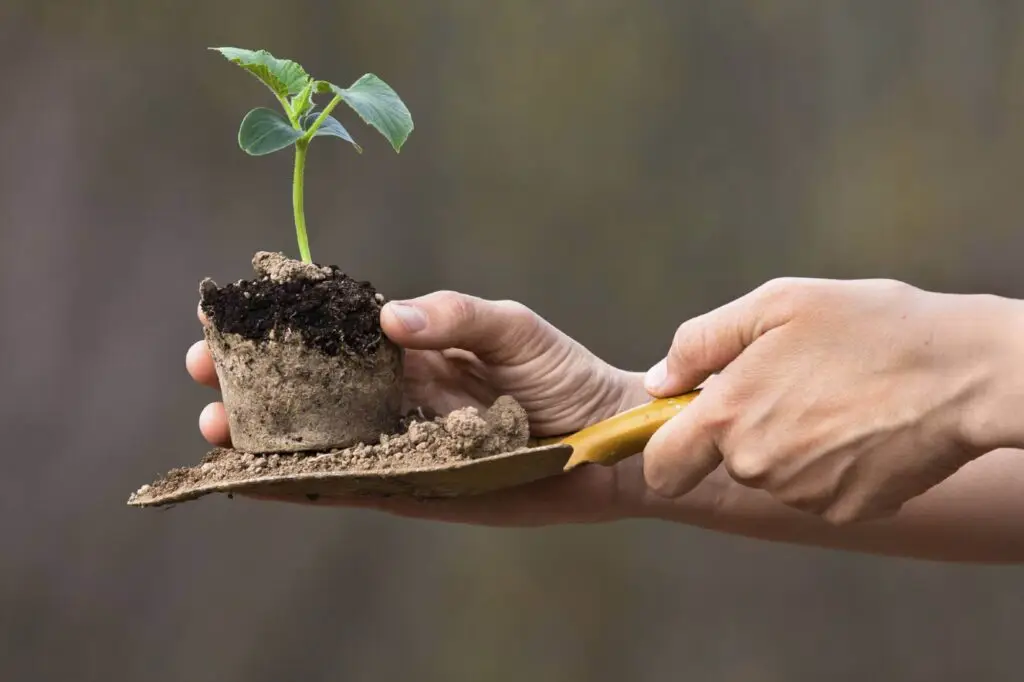
1. Pay attention to soil health. There’s an old gardening adage that says, “Feed the soil, not the plant,” and it’s one of the best pieces of advice for those looking to have an organic garden. Add compost into the soil (have you started your own compost pile yet?), use compost as a kind of mulch on the soil surface, or grow cover crops to till back into the soil. Healthy soil makes for healthy plants, and healthy plants can more easily fend of pests and disease.
2. Use plants that are suited to your climate. Primarily, this means using native plants or even those that are adapted to your area’s growing environment. Using plants that are not recommended for your area will most likely result in the gardener resorting to heroic measures (ie: synthetic fertilizers and pesticides) to keep them healthy. Plants that naturally thrive in your particular climate will grow well without needing to be coddled.
3. Stay familiar with your garden. Interact with your garden and the plants in it regularly so you can more quickly spot a potential problem. Know which insects are good and which are bad, hand-pick bad bugs off your plants, and only use organic treatments when it’s really necessary.