To tend a garden through winter is to step into the rhythm of the seasons with reverence and resolve. It may seem a challenge to draw food from the earth when the days are short and the soil cold, but with simple tools and careful attention, one can coax forth nourishment even in the stillness of winter. Here, we explore how to extend your gardening into the frost and snow, creating a small sanctuary of life that provides not only sustenance but a deeper connection to the land.
Why Grow Food in Winter?
Winter gardening offers a quiet satisfaction—fresh, organic food gathered from your own soil when the rest of the landscape lies dormant. The taste of winter vegetables—carrots, kale, and others—is unmatched, for the cold works a subtle alchemy, turning starches to sugars. Beneath protective covers, the gardener needs to water little, as condensation naturally tends the soil, and the chill drives away pests, leaving the crops to grow in peace. To gather a harvest in winter is to bear witness to the earth’s steadfast generosity, even in its most muted season.
Understanding Your Growing Conditions
The gardener must first come to know the nature of the land and the reach of the frost. A single layer of protection—a humble sheet of plastic—can transform the conditions around your plants, lifting your garden a zone or more in warmth. With this adaptation, the boundaries of what can be grown shift, even for those in colder climates. By creating this modest microclimate, you invite into your winter garden the life that might otherwise wait for spring.
Supplies You’ll Need
The tools required to sustain a winter garden are few and simple, each serving its purpose without waste or excess:
- Hoops: These form the backbone of the garden’s shelter. Pipes of electrical conduit or PVC, bent into gentle arches, will suffice, though metal hoops, with their lasting strength, may better withstand the weight of snow.
- Plastic Cover: A sheet of durable, farm-grade plastic transforms these hoops into a barrier against the frost. It gathers the sun’s warmth and holds it, creating a space where life can persist.
- Clips: To fasten the plastic securely to the hoops, simple clips are needed. These small instruments keep the cover taut and steady, resisting the buffeting winds.
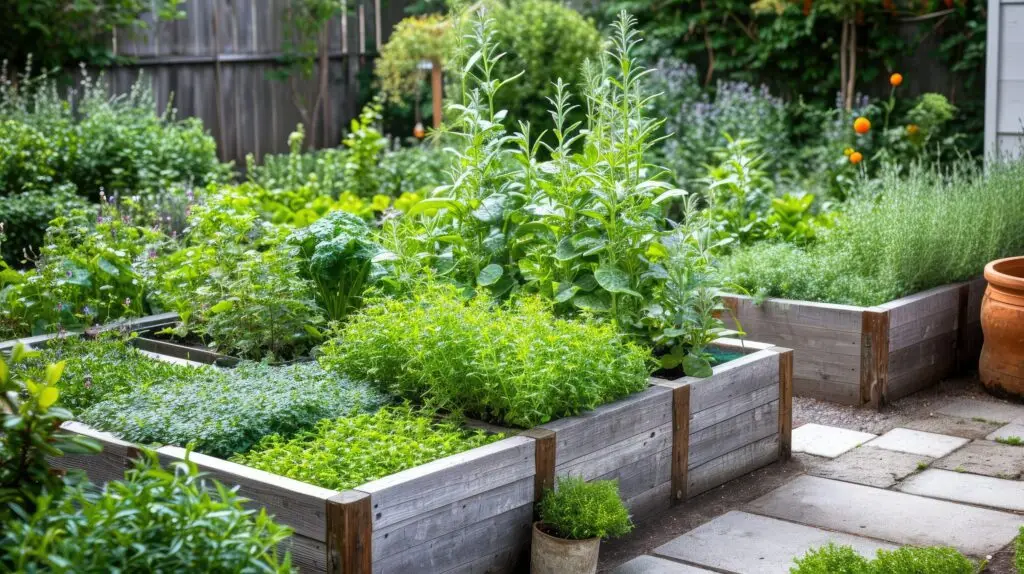
- Beds or Ground: Whether in raised beds or directly in the soil, the plants must be rooted where they can find stability and nourishment. Raised beds, with their better drainage, may offer a slight advantage, but the earth itself, well-tended, will serve just as well.
Structuring Your Winter Garden
The structure of the winter garden must be sound, for it will face the trials of snow and storm. For every 4×4 bed, three hoops at least should rise to support the cover. The plastic must be drawn tight and clipped with care, three clips to a hoop, so that it will not falter when the weight of the weather presses upon it.
What to Grow in Winter
There are plants that thrive in the cold, their hardy natures a testament to the resilience of life. These include:
- Kale
- Spinach
- Swiss chard
- Mustard greens
- Carrots
- Beets, red and golden
- Parsley
- Cilantro
- Bok choy
Sown early, before the frost sets in, these crops take root and endure. The cold, rather than diminishing their flavor, deepens it, as if nature itself has its own artistry to offer.
Advantages of Winter Gardening
A garden that endures through winter offers more than food:
- Minimal Watering: The condensation beneath the plastic nurtures the soil, sparing the gardener the labor of frequent watering.
- Fewer Pests: The cold acts as a natural safeguard, driving away the insects that trouble summer crops.
- Enhanced Flavor: The sweetness of winter-grown vegetables speaks to a partnership between gardener and earth, one that rewards patience and care.
Challenges of Winter Gardening
Yet, winter gardening is not without its difficulty. The cold can be biting, a challenge to hands and spirit alike. Gloves of good quality are worth their weight. Heavy snow or sharp freezes may threaten the tender crops, and the gardener must be vigilant, both in preparation and in care. To garden in winter is to accept these trials as part of the work, to labor with the understanding that the earth offers its gifts not easily but willingly.
Tips for Success
- Begin early, planting in the fall so that your crops are strong before the frost arrives.
- Layer your protections where needed, creating a refuge for crops less suited to the cold.
- Watch the soil, for even in winter, it must not be allowed to dry out entirely, especially during unexpected warm spells.
Final Thoughts
To grow food in winter is to reaffirm a truth that runs deep in the soil and in ourselves: that life persists, even in the quietest seasons. With simple tools and hardy plants, you can draw sustenance from the earth, enriching your table and your understanding of the land’s rhythms. And should you seek to enrich your soil, the offerings of Kellogg Garden Products stand ready to support your efforts, grounding your garden in health and abundance. Through this work, we align ourselves with the unhurried wisdom of the seasons, finding in winter’s quiet the promise of spring yet to come.