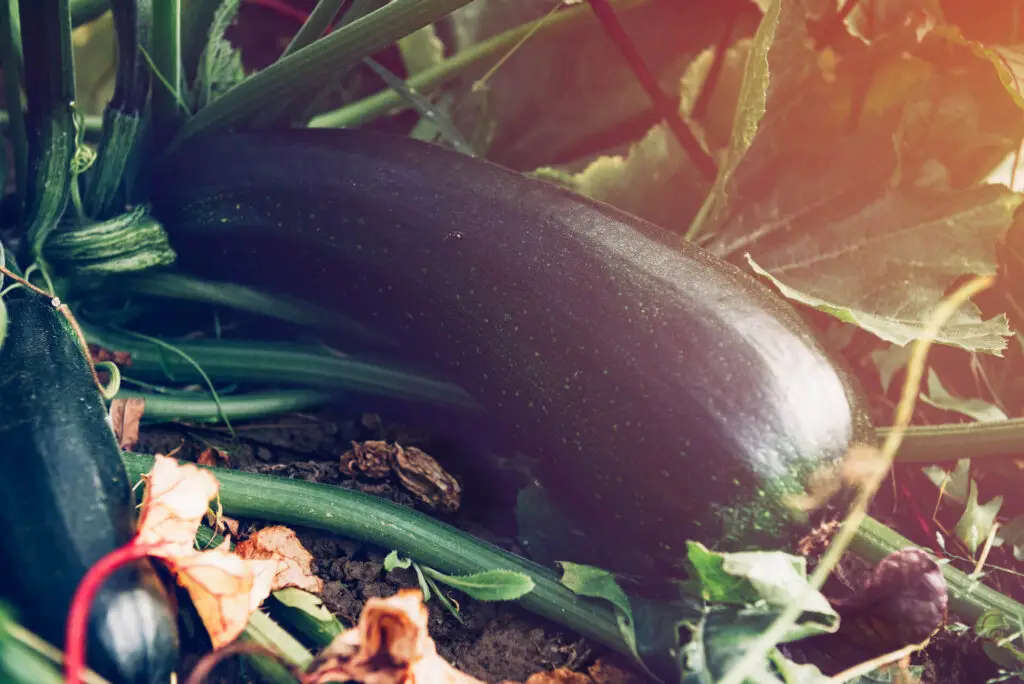
Provide zucchini plants with the best possible environment to grow by implementing companion planting in your vegetable garden. Companion planting is an optimal way to improve the overall health and fruitfulness of your zucchini plants. Planting compatible plants near each other are mutually beneficial for your crops, as they can reap the rewards from each other’s attributes.
Companion planting is a strategy often implemented by gardeners and farmers who strive to take an organic approach to save space, improve soil health, and ward off pests and disease without the use of harmful chemicals. Companion planting makes for more efficient use of garden space and acts as a living mulch to protect and feed the soil of your garden bed. The biodiversity that zucchini companion plants provide is also excellent for pollinators, provides shelter, and promotes overall soil health.
Best Zucchini Companion Plants
Discerning what works well together and learning about the ways that individual plants can bolster others can significantly improve the productivity in your garden. Here is a robust list of zucchini companion plants that will offer some pest protection for your plants and help you grow the most robust and plentiful crop of zucchini possible. Interplant these plants with zucchini and reap the rewards of companion planting.
Borage
Borage is an herb that works double duty as zucchini companion plants in the garden. Not only does borage repel voracious insects, but it also attracts beneficial bugs and honeybees to pollinate your zucchini flowers.
Beans
Bush beans work well to repel garden beetles and other pests that bore into zucchini plants and vines. Beans also release beneficial nitrogen back into the soil as they grow, which feeds nearby zucchini and boosts their fruit production.
Radishes
Radishes make a great companion to zucchini because they deter squash vine borers and beetles from making their way into the zucchini patch. These destructive pests will quickly cause demise in your crop if not kept at bay.
Garlic
Garlic dissuades damaging aphids from the garden area, which have been known to wreak havoc on zucchini and their leaves.
Parsley
Parsley is a fragrant herb that works to deter pests that tend to plague the zucchini garden.
Spinach
Spinach and zucchini are mutually beneficial to each other. Zucchini provides protection and shade from the heat of summer, and zucchini reaps the benefits of the nutrients that spinach releases back into the soil.
Peas
Peas, much like bean plants, release beneficial nitrogen back into the soil, which helps zucchinis grow because they are heavy feeders. This exchange helps to counteract soil depletion.
Corn
Corn assists in keeping destructive vine borers out of the garden.
Nasturtiums
Nasturtiums are a colorful and vibrant addition to any garden, and they attract beneficial pollinators to the garden. The nasturtium plant is adored by the highly destructive pest, the aphid. Through smart companion planting, you can purposefully use the nasturtium plant as a host and sacrifice them to help protect nearby plants that are bothered by aphids.
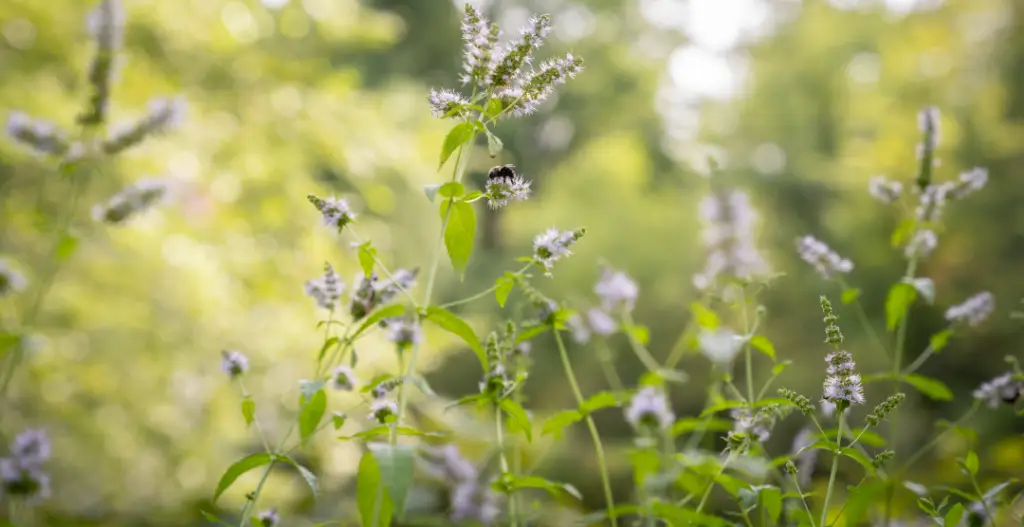
Mint
Mint can drive away tiny aphids that feed on zucchini and other veggies as well.
Poor Zucchini Companion Plants
Just as some plants make great companions in the garden, some plants are not the best of friends in the garden. Luckily for zucchini, there are only a few that don’t make the cut when it comes to companion plants.
Pumpkins
Pumpkins and squash are from the same family and can cross-pollinate with each other, resulting in poorly formed fruit.
Potatoes
It is not a good idea to plant potatoes with zucchini plants because both plants are prone to the same garden pests, and interplanting them makes them more susceptible to infestation. In addition, potatoes are is a heavy feeder that can deplete large amounts of nutrients from the soil.
Overall Garden Care
There are endless benefits to companion planting. It is important to note that companion planting does not replace the need for proper garden preparation and maintenance. Any successful garden thrives best with regular watering, occasional feeding, essential light requirements, and nutrient-rich soil.
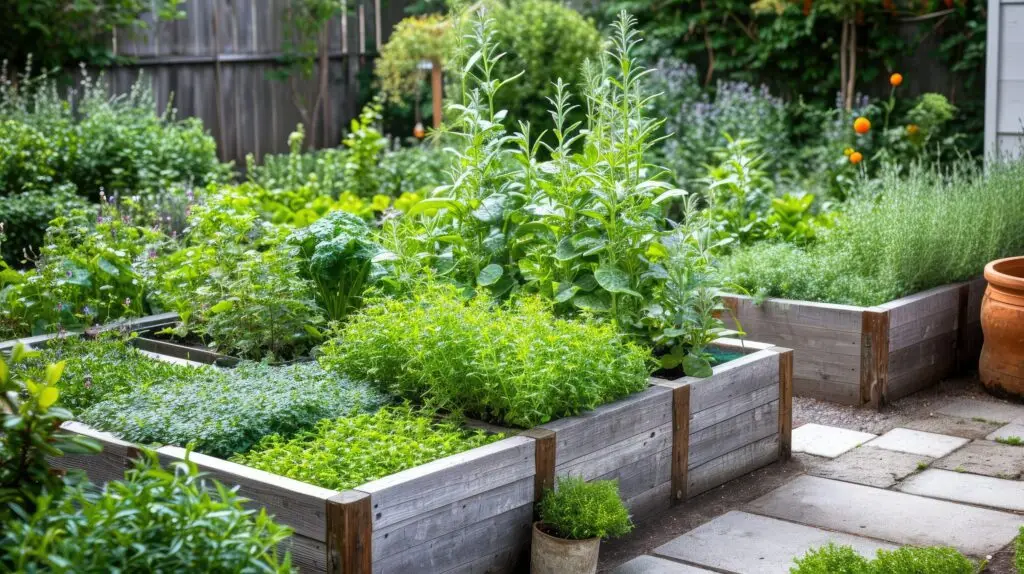
Remember that healthy soil means healthy roots for your zucchini and other plants, so it’s best to put the time in to amend the soil in your garden before planting your companion garden to give it the best beginning. Raised bed mixes are available at your local garden center, which can be used to quickly fill your raised beds with the essential organic soil formula.
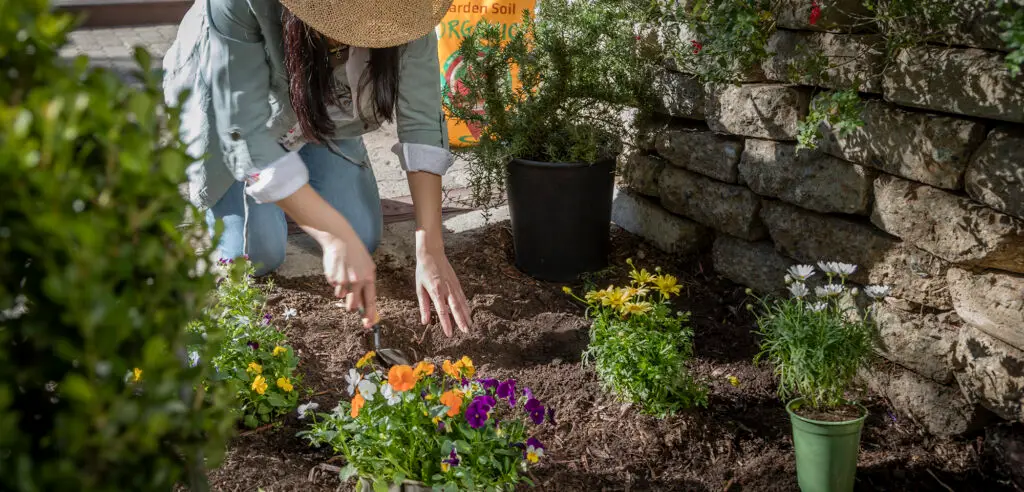
You can utilize your knowledge of companion planting in any garden method. Container gardening, backyard gardens, and raised beds are all ideal locations to implement this practice. Try a ready-to-use soil to help with the raised bed projects and the more you learn about what works well together, the more fun that you will have working to get the very best out of your zucchini plants and your overall garden.Kellogg Garden OrganicsAll Natural Garden Raised Bed & Potting Mix
**Product not available in AZ, CA, HI, NV, UT. For a comparable product in these states click here.