GET THE GARDENARY GUIDE TO ORGANIC GARDENING Learn More >

|

3 min read

Sustaining Stability: When Earth Day’s Over

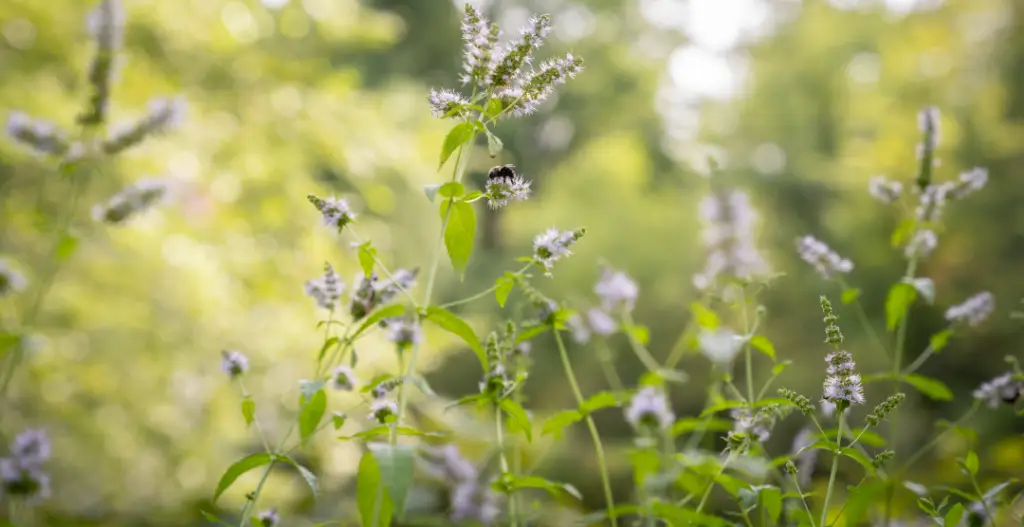
pollinators

Earth Day creates a moment, but gardening creates a practice. If you’re already growing something, you’re already doing more than most people realize! The work that matters doesn’t stop on April 22nd. Here are a few ways to keep going.
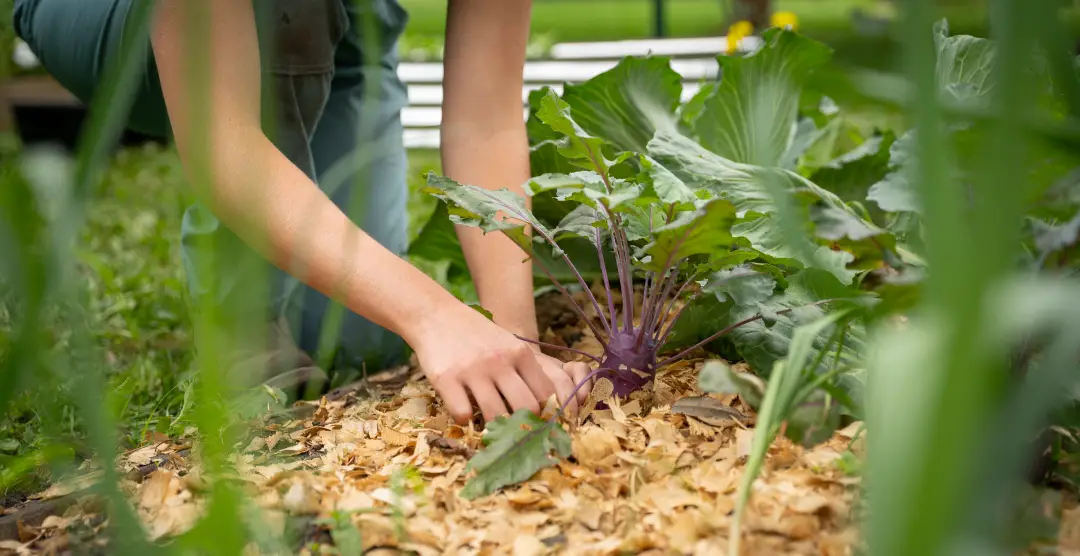
planting vegetables

Get Involved With Organizations Doing This Well

You don’t have to figure it out alone. These are organizations doing good work you can participate in for free or close to it. All of them are grounded in the same things organic gardening is: soil stewardship, regional growing, and passing knowledge down to the  next person who needs it.

iNaturalist & Seek

Point your phone at whatever is growing or crawling in your garden and these apps will tell you what it is. Native plants, insects, pollinators. A low-pressure way to start paying closer attention to what’s already happening around you. Download iNaturalist & Seek here.

Seed Savers Exchange

Founded in 1975 around the idea that heirloom seeds are meant to be preserved and passed down. You can swap seeds or join their ADAPT program to trial varieties in your own garden. Explore Seed Savers Exchange.

Million Pollinator Garden Challenge

Register your garden and it gets added to national habitat maps tracking pollinator-friendly spaces across the country. A single container on a patio counts. Register your garden here.

American Community Gardening Association

Community gardens are where people learn alongside experienced growers, and where you can find a space to garden if you don’t have one at home. Find one near you.

Slow Food USA

Their Plant a Seed program offers free seed kits for school gardens in 2026, with a focus on soil health, human health, and planetary health. Good to know about if you have kids or work with schools. Learn more about Plant a Seed.
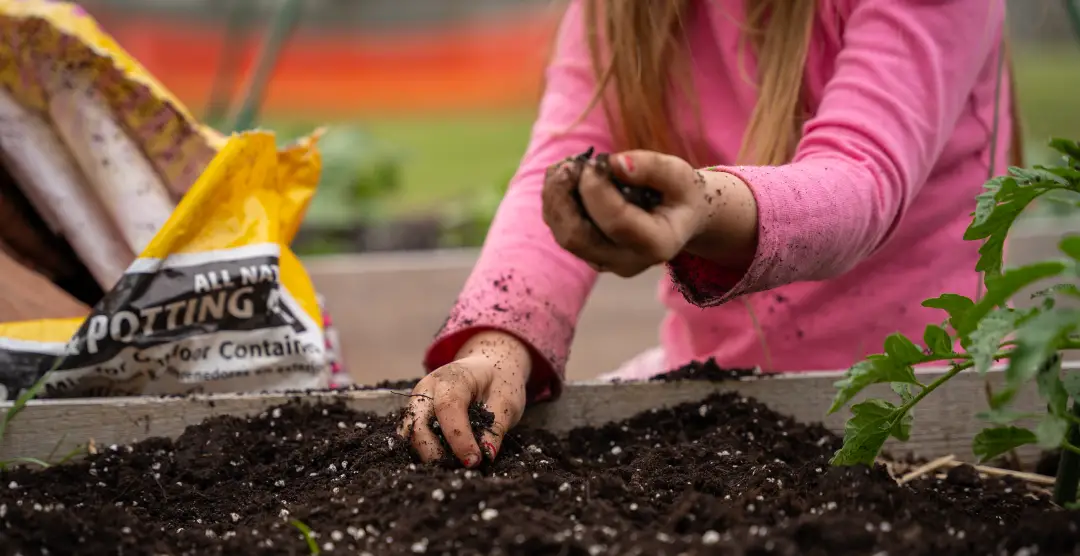
kid playing in dirt

Bring the Kids In!

Gardening with kids doesn’t have to be difficult or complicated. A backyard bed or a few containers on a porch both work as a starting point. Getting their hands in the soil early is the point. The earlier they learn what healthy soil does, the more it sticks. Our guide on kid-friendly garden activities gives you specifics on what to plant, what to hand off, and how to keep them interested past the first week.

A Good Video to Watch

If you’re new to gardening and want a practical overview before the season gets going, this video covers soil prep, planting basics, and what to prioritize first. Two minutes gives you a useful starting point. Watch here.
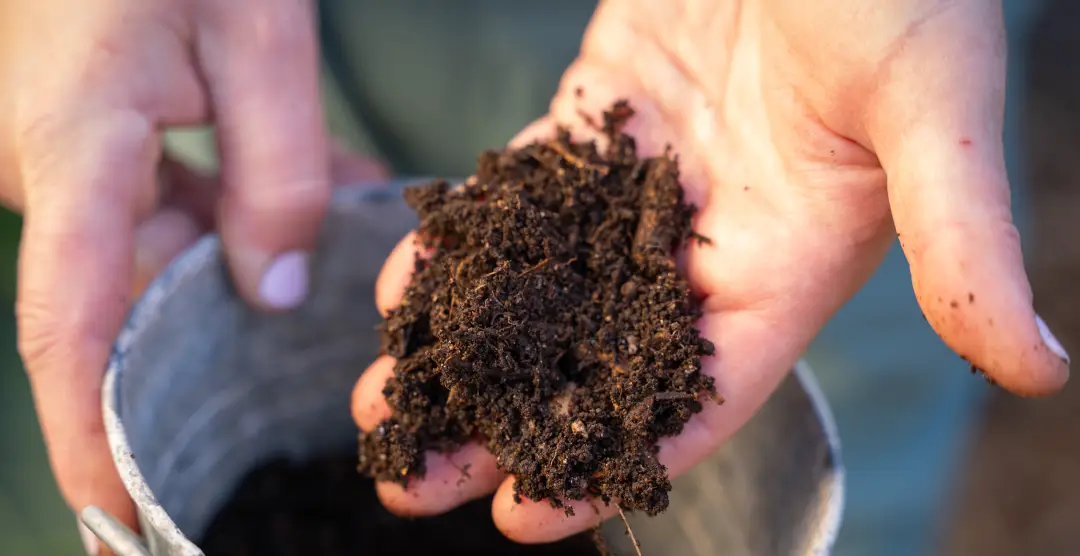
hands holding organic soil

What You Can Compost

Most of what leaves your kitchen could go back into your garden instead. Food scraps, yard trimmings, cardboard, the list is longer than most people expect. Our blog on composting breaks it down and is a good next step if you want your garden giving back to the soil this season.
Share

In This Article

Share

Frequently Asked Questions

Sustaining Stability: When Earth Day’s Over

How can I stay environmentally active after Earth Day?

Treat sustainability as a daily practice rather than a one-day event. Keep gardening organically, compost kitchen scraps, support pollinators with native plants, conserve water with mulch, and volunteer with local environmental organizations year-round. Small, consistent choices have more long-term impact than a single Earth Day effort.

Why is gardening considered a year-round sustainability practice?

Gardening reduces food miles, sequesters carbon in soil, supports pollinators, and cuts landfill waste through composting. Unlike one-time Earth Day activities, growing your own food and caring for soil delivers environmental benefits every single day of the year.

What are the best ways to make my garden more sustainable?

Use organic, OMRI-listed soils and fertilizers, mulch to retain moisture and reduce watering, compost yard and kitchen waste, plant native and pollinator-friendly species, and avoid synthetic chemicals. Layering soil is also a low-input way to improve fertility and reduce the need for irrigation.

What environmental organizations support sustainable gardening?

Groups like the Environmental Media Association (EMA), the Association of Compost Producers, and local community garden networks connect home gardeners to broader sustainability efforts. Partnering with established organizations is one of the easiest ways to extend Earth Day action into year-round impact.

How does using organic soil help the environment?

Organic soil avoids synthetic chemicals that can run off into waterways, supports beneficial soil microbes, sequesters carbon, and reduces dependence on petroleum-based fertilizers. Choosing locally sourced organic soil also lowers transportation emissions.

What does "Earth Day creates a moment, but gardening creates a practice" mean?

It means Earth Day raises awareness once a year, but home gardening turns that awareness into ongoing daily action. Every time a gardener plants, composts, or mulches, they’re contributing to environmental health long after April 22nd.

How can beginner gardeners contribute to sustainability?

Start small: grow one vegetable or herb in a container, use organic potting soil, water in the early morning to reduce evaporation, and compost basic kitchen scraps like coffee grounds and vegetable peels. You don’t need acreage to make a measurable environmental difference.

What is the long-term impact of home gardening on the environment?

Home gardens cumulatively reduce greenhouse gas emissions, increase urban biodiversity, improve local soil health, and decrease household food waste through composting. Multiplied across millions of households, home gardening is a meaningful climate and ecological lever.

Related Articles

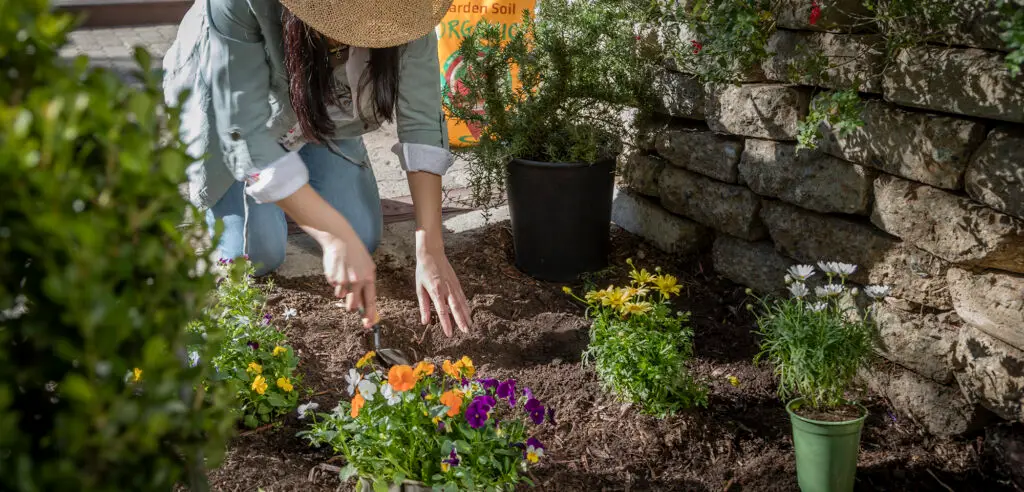
woman digging in soil to plant flowers

What is the Right NearSource Organics Soil for Your Garden?

With So Many Choices Gardening Can Feel Overwhelming. That’s Ok! We’re Here To Help. The foundation for every garden is great soil. The wholesome food...

Read More

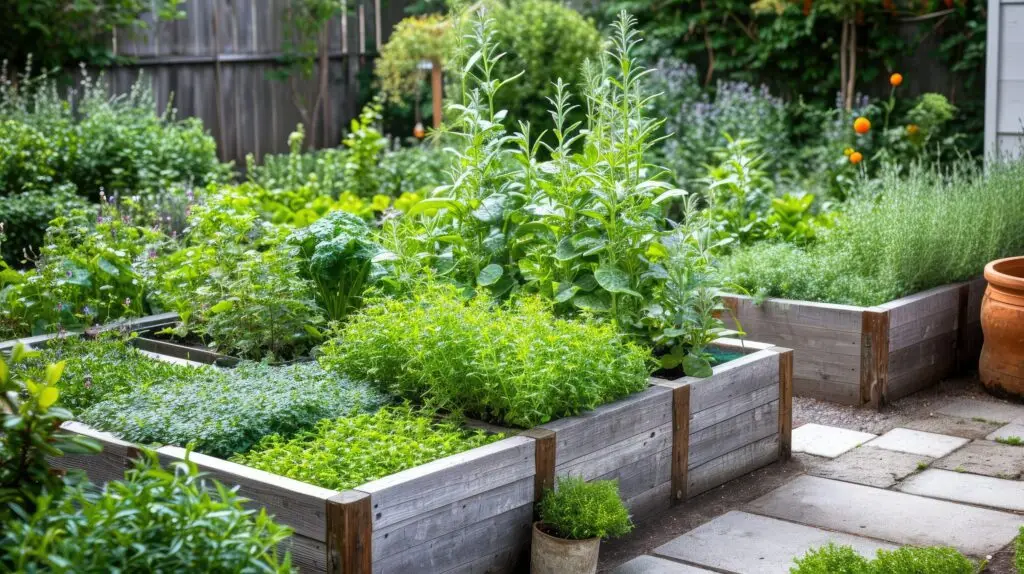
raised beds full of plants

The Ultimate Guide to Raised Bed Gardening for Every Climate

Vegetable gardening can be a rewarding and therapeutic activity. But everything easy has its cost— and raised beds do come with their challenges, especially when...

Read More

raised beds full of plants

The Beginner’s Guide to Starting Your Own Garden: 8 Simple Steps

Starting a garden can seem like a daunting task, but fear not! Today, we’re here to guide you through eight straightforward steps to kickstart your...

Read More

Get Tips Delivered Instead of Searching for Them.

Monthly gardening tips matched to your zone, new articles, and seasonal guides. One email. No clutter.

"*" indicates required fields

Address*
Consent*
This field is hidden when viewing the form