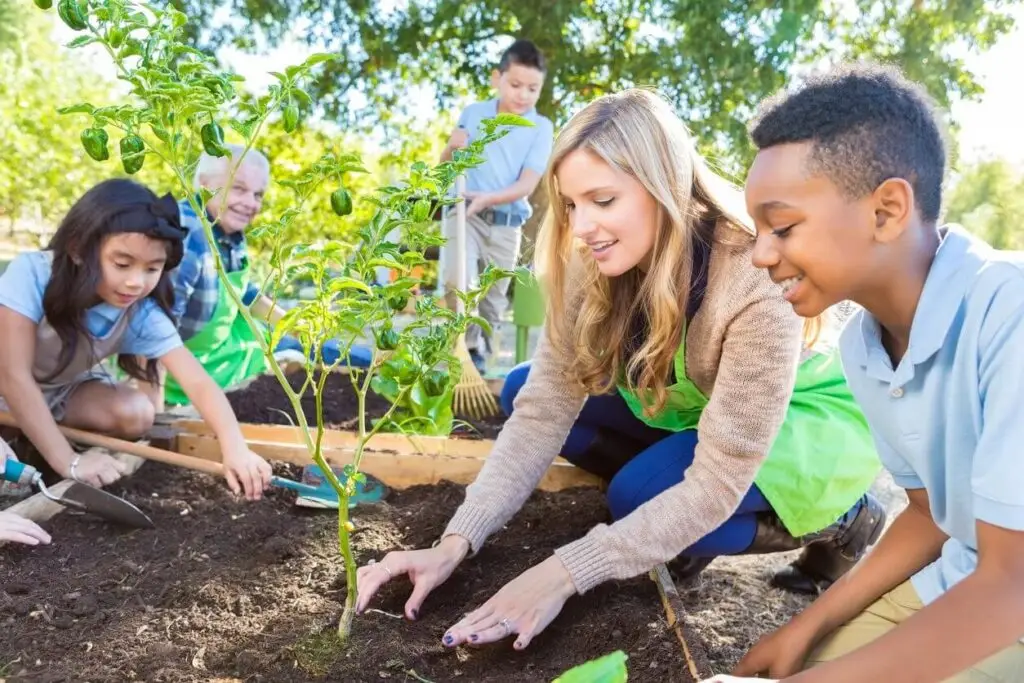
The best way to grow organic gardeners is to start ‘em out early! And because kids spend so much time at school, an organic school garden is the way to go. If you are an organic home gardener and love the idea of teaching the next generation how to garden organically, consider helping your school start a garden.
While some people jump in and do it, it pays to have a thoughtful and strategic approach to a project like this one — after all, the very last thing you want is for the garden to fail, for kids to be disappointed, and for the teaching staff to feel burdened.
8 Tips for Starting An Organic School Garden
1. Gather Volunteers.
There is no way you can do this on your own. Well, maybe there’s a way, but it won’t be a fun one. Create a School Garden Committee comprised of like-minded parents and staffers to help with the planning and organization. Consider sub-committees like “Donations,” “Maintenance,” and “Volunteers” to spread out the workload.
2. Start Small
Starting with a grandiose plan that you want to implement all at once is a sure way to create overwhelm. Start small with the basics (one raised garden bed per grade level, for example) — you can always add on additional expansion projects every year. Future projects could be a butterfly garden, a native plant garden, a peace tree area (where kids meet to work out differences), a rainwater collection system, compost piles, or a science station.
3. Choose Your Location Wisely
Locate your garden on a section of school property with the appropriate amount of sunlight for the type of plants you want to grow, and be sure there is a water source nearby. If you can’t easily water the garden, the garden will not get water.
4. Build Raised Beds
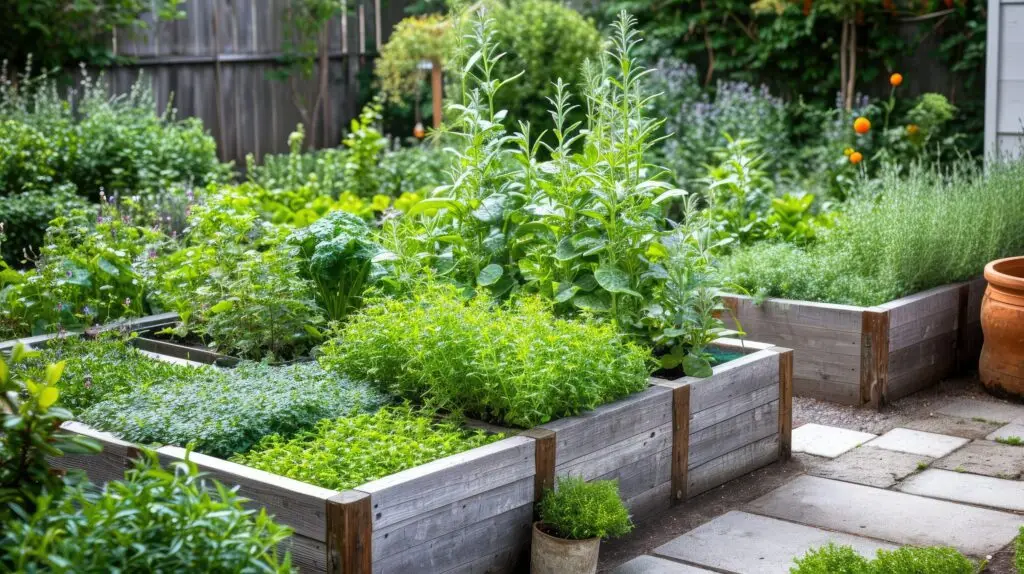
Rather than going to the trouble of removing grass and stubborn weeds, simply build raised beds on top of the ground, add your organic soil, and finish with planting. Consider kits that make it easy-peasy.
5. Employ The Community
Your county’s Master Gardener program is an ideal group to help figure out logistics, garden prep, and plant selection. And don’t be shy about asking for donations — local home improvement stores, independent garden centers, and landscape supply yards are ideal for donations of tools, raised bed supplies, hoses, organic soil, gloves for small hands, and plants. An elementary school here in Austin asked a local Boy Scout troop to consider making one part of their organic school garden an Eagle Scout project, and it was a great success.
6. Plan Ahead For Maintenance
Even a low-maintenance garden requires some maintenance — Who will water? Who will weed? What about the summer months when no one is there? Thinking through these questions is crucial.
7. Consider The Teachers
Help the teachers out by supplying a teaching lesson or curriculum associated with the organic school garden. Don’t ask them to take on any more on their own — while they might be garden enthusiasts, added work is easily overwhelming and leads to the project’s doom.
8. Make It Fun!
Above all, make it fun. We know how enjoyable gardening is, so it’s up to us to communicate that enthusiasm to the kids and staff. Celebrate the wins, turn failures into teaching moments, high-five the teachers, and write about it in the school newspaper or on the school website. Thank volunteers and donors by having signs in the garden area and giving them a shout-out in your print and web communication. And while you’re at it, high-five yourself for having the vision to get this started!