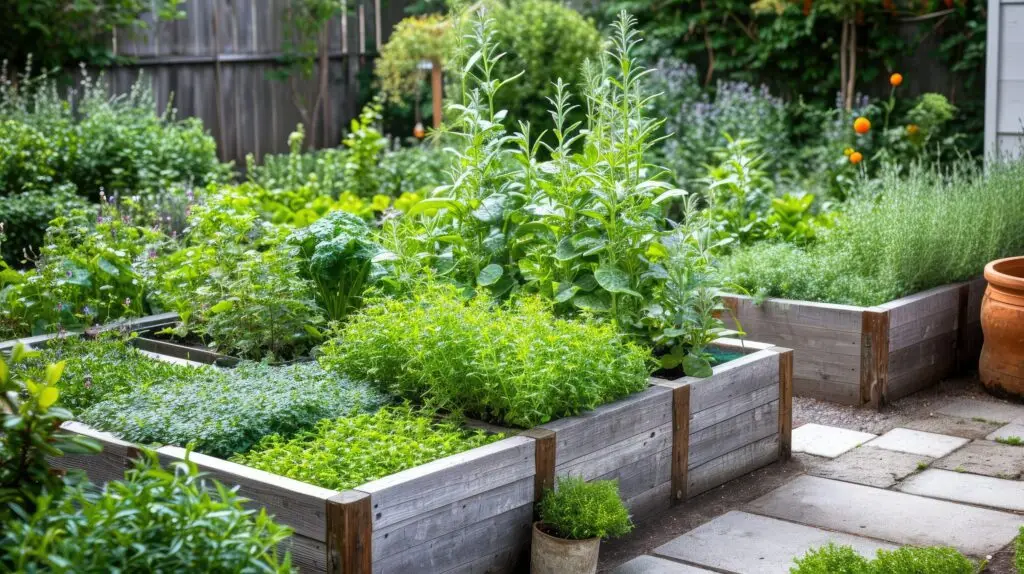
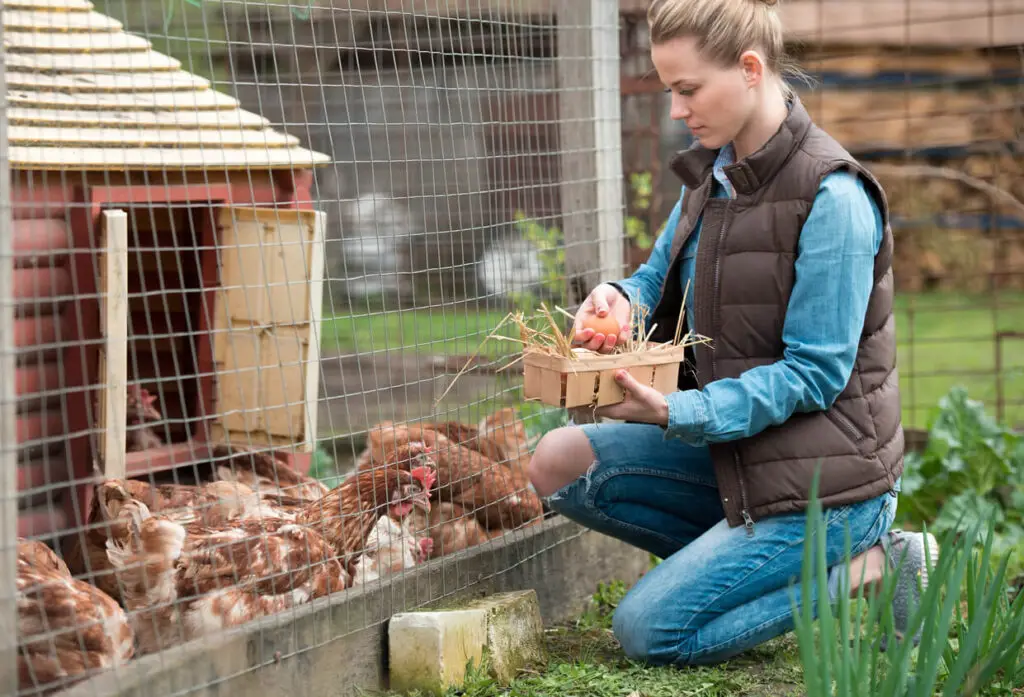
You’re a diehard gardener, maybe more so than others — you have raised bed vegetable gardens and maybe even a few chickens for eggs. You’re out there and committed. But what if you want to amp it up from avid gardening to homesteading?
Homesteading is leading a lifestyle that promotes increased self-sufficiency, whether you live on rural acreage or are an urban dweller. This could include :
- Growing, canning, and preserving fruits, veggies, and herbs
- Maintaining a compost pile and possibly even a composting toilet
- Raising animals like chickens and goats for meat, milk, and eggs
- Hanging laundry on the line instead of using a dryer
- Making your own clothes
- Reducing energy by cycling to work, installing solar panels, or using wind turbines
- Employing rainwater collection systems
- Splitting your own firewood
Whatever you call it — homesteading, living closer to the land, or living a simple lifestyle — making good, clean, healthy choices benefits your family, your neighborhood, and the world around you. Ready to take the plunge? Here are some next steps for you.
First — do I have to go “all in” to be a homesteader?
In a word, no. Ask yourself what your end game is. You may not know right now, and that’s okay — and your goal can change along the way. You may have a goal of living as totally self-sufficient and off the grid as possible. Or, you might simply want to grow and raise as much of your own food as you can. It’s all good; start somewhere and vow to be flexible with your thinking and goals as you go. Still wondering where to start to create a homestead? Keep reading.Read More: HOMESTEADING: LEADING A SELF-SUFFICIENT LIFE
3 Areas To Transition From Gardener To Homesteader:
Your food supply: Because you’ve likely been growing veggies for a while, you can now focus on expanding your definition of “growing your own food.” Add some fruit crops (trees, shrubs, and vines), start or expand your herb garden, or add a beehive or two for honey and beeswax (see #3 below). Learn how to can, preserve, and dehydrate your harvests. Or, if you are a meat-eater, you can add a group of meat chickens or ducks in addition to those you may have for egg production. Have a little more space? Add a few goats into the mix for milk and/or meat production. While meat processing (or meat eating, for that matter) isn’t for everyone, it’s a valid choice for those wanting to be closer with the food they consume.
Your natural resources: Solar panels on your house are a first good step to decreasing your grid dependence; you’ll pay less for energy while contributing to decreased gas emissions. Consider adding a wood-burning stove into the mix as well. Years ago, I was a guest in a home that had a wood-burning stove, and I thought it was kind of “hippie-ish” at the time — now, after learning and maturing, I think it’s brilliant. And rainwater collection? This is a great way to reduce the amount of city-supplied water to irrigate your garden (and there’s nothing that quite beats the quality of rainwater, anyway).
Your home products: From natural hand soaps, dish detergents, and laundry detergents to personal care items, first-aid products and DIY teas, the sky actually is the limit here. You can use your own plants, herbs, goat milk, and beeswax — and while you may need to purchase some additional ingredients to complete these DIY projects, you have complete control over the quality and content. No harmful chemicals, no toxic fragrances, no budget wasting. Use what you have, re-use or repurpose other items, and ultimately, get what you want while paying less.
How To Learn About Homesteading:
If you’re making the shift from gardening to homesteading, there are a number of valuable ways to educate yourself and add to your skillset. Plus, they’re fun, which makes learning any new skill-less fearful and more exciting.
Read books and watch videos. I can’t tell you how much I’ve learned about homesteading by simply watching a video or reading a book. As we got into raising goats, we’d be outside with new clippers looking at a YouTube video about how to trim their hooves. And my bookshelf is now filled with books and magazines on natural chicken-raising, food-growing, and setting up a home apothecary. It all seems difficult until you’ve seen it done or had it explained to you.Cultivate like-minded friendships. Some of my best friends are people I can call in a pinch when we’re having trouble with goat birthing (thanks, Chris M.!), and others I’ve met along the way through social media, buying supplies at the feed store, or when purchasing an animal from them. Look for local homesteading/chicken keeping/apiary groups and join their meet-ups, and be open to high-quality Facebook groups on the homesteading topic of your interest.
Attend natural living, wellness, and earth fairs. We just attended one with a friend a couple of weeks ago, in fact. We sat in on seminars about cultivating mushrooms, browsed the bookstore and met authors, chatted with vendors, and met some new friends. Well worth the price of admission.
Read More: Tips On Becoming More Self-Sufficient
Organizing a Seed Swap
DIY: How to Build a Raised Garden Bed Using Old Decking
Worm Composting
Companion Plants for a Dye Garden
Types of Rainwater Storage Tanks
Read More: Tips on Extending Your Homestead with Homestead Animals
Choosing Chickens For Your Urban Farm
How Often to Chickens Lay Eggs? The Ultimate Egg Guide
Top 3 Goat Breeds
Safe Treats For Your Homestead PetsSee Also: SELF-SUSTAINING ON 1 ACRE: IS IT POSSIBLE?